Wednesday, June 8, 2016

These jobs are most likely to be taken by a computer


by  
Great news, dentists!
Telemarketers’ jobs have the highest chance of being automated, according to recent report. Other positions with huge potential for being overtaken by robots? Cashiers, tellers and drivers, among others, according to this new NPR interactive.
While telemarketers have a 99% chance of one day being totally replaced by technology (it’s already happening), cashiers, tellers and drivers all have over a 97% chance at being automated. Many positions within the “production” category put together by NPR, including packaging and assembly jobs, tend to rank highly as well.
The job with the lowest shot at being overtaken by technology in the future? Mental health and substance abuse social workers. They have a 0.3% chance, according to the data. Occupational therapists also rank at 0.3%, while dentists, surgeons and nutritionists appear pretty safe at just 0.4%.
Per NPR:
The researchers admit that these estimates are rough and likely to be wrong. But consider this a snapshot of what some smart people think the future might look like. If it says your job will likely be replaced by a machine, you’ve been warned.
To play around with the complete data, check here. But beware, it’s pretty addicting.    Fortune

Pope Francis on Wednesday thanked the Jain community for its commitment to protect “our sister Earth.”


Pope Francis meets with members of the Institute of Jainology - OSS_ROM

01/06/2016 12:02
(Vatican Radio) Pope Francis on Wednesday thanked the Jain community for its commitment to protect “our sister Earth.”
The Pope’s words came as he received members of the Institute of Jainology in private audience in the Vatican before leading the weekly General Audience in St. Peter’s Square.
Expressing his joy for the encounter, Pope Francis welcomed the Jains saying that “this encounter nurtures our responsibility to care for creation”, and calling creation a “gift that we have all received” he said “creation is God’s mirror, the mirror of the Creator, the mirror of nature, and it is our mirror too.”
“We all love mother Earth, because she is the one who has given us life and safeguards us; I would also call her sister Earth, who accompanies us during the journey of our existence. Our duty is to take care of her just as we would take care of a mother or of a sister, with responsibility, with tenderness and with peace” he said.
And he thanked the Jains for what they do to protect and care for the earth and said “we remain united within this ideal (…) in the awareness that healing and caring for the Earth is healing and caring for the whole of humanity”.
After the audience with the Pope a meeting took place between a delegation from the Pontifical Council for Interreligious Dialogue and the Chairman of the Institute of Jainology.
A statement was released describing how during this third meeting between the PCID and Jain delegation satisfaction was expressed for the cordial relations and cooperation that exist between them. It said that the desire was expressed to further deepen cooperation and that areas of convergence were identified as regards the common mission for both Jains and Christians to work together, joining hands with all believers and people of good will, to make the earth liveable and peaceable for all.
The Institute of Jainology was established in 1983 and it was subsequently registered as a Charitable Trust.
Compassion and non-violence towards all living beings are the fundamental principles of Jain philosophy. Its mission is to propagate Jainism and its values through art, culture and education.     Radio Vaticana

California Senate sidelines bill to prosecute climate change skeptics

- The Washington Times - Thursday, June 2, 2016
A landmark bill allowing for the prosecution of climate change dissent effectively died Thursday after the California Senate failed to take it up before the deadline.
Senate Bill 1161, or the California Climate Science Truth and Accountability Act of 2016, would have authorized prosecutors to sue fossil fuel companies, think tanks and others that have “deceived or misled the public on the risks of climate change.”
The measure, which cleared two Senate committees, provided a four-year window in the statute of limitations on violations of the state’s Unfair Competition Law, allowing legal action to be brought until Jan. 1 on charges of climate change “fraud” extending back indefinitely.
“This bill explicitly authorizes district attorneys and the Attorney General to pursue UCL claims alleging that a business or organization has directly or indirectly engaged in unfair competition with respect to scientific evidence regarding the existence, extent, or current or future impacts of anthropogenic induced climate change,” said the state Senate Rules Committee’s floor analysis of the bill.
Leading the fight against the measure was the Civil Justice Association of California, joined by pro-business groups such as the California Chamber of Commerce and the California Business Roundtable.     Washington Times

U.S. Internet giants Facebook Inc., Twitter Inc., Google and Microsoft Corp. pledged to tackle online hate speech

May 31, 2016   by
U.S. Internet giants Facebook Inc., Twitter Inc., Google and Microsoft Corp. pledged to tackle online hate speech in less than 24 hours as part of a joint commitment with the European Union to combat the use of social media by terrorists.
Beyond national laws that criminalize hate speech, there is a need to ensure such activity by Internet users is “expeditiously reviewed by online intermediaries and social media platforms, upon receipt of a valid notification, in an appropriate time-frame,” the companies and the European Commission said in a joint statement on Tuesday.
The code of conduct arrives as Europe comes to terms with the bloody attacks in Paris and Brussels by Islamic State, which has used the Web and social media to spread its message of hate against its enemies. The companies said it remains a “challenge” to strike the right balance between freedom of expression and hate speech in the self-generated content on online platforms.
“We remain committed to letting the Tweets flow,” said Twitter’s head of public policy for Europe, Karen White, in the statement. “However, there is a clear distinction between freedom of expression and conduct that incites violence and hate.”

Platforms Sued

A French Jewish youth group, UEJF, sued Twitter, Facebook and Google in Paris this month over how they monitor hate speech on the web. In the course of about six weeks in April and May, members of French anti-discrimination groups flagged unambiguous hate speech that they said promoted racism, homophobia or anti-Semitism. More than 90 percent of the posts pointed out to Twitter and YouTube remained online within 15 days on average following requests for removal, according to the study by UEJF, SOS Racisme and SOS Homophobie.
“With a global community of 1.6 billion people we work hard to balance giving people the power to express themselves whilst ensuring we provide a respectful environment,” said Monika Bickert, head of global policy management at Facebook, in the statement. “There’s no place for hate speech on Facebook.”          Bloomberg

Monday, June 6, 2016

Medicine That Kills


Posted on June 1, 2016 by Jason in Gary Null Show, Health Care, Media
American science and public health is the finest in the world, with the smartest people working with the latest technologies to prevent and cure disease. We are exceptional.
That is a common belief held by several million people working within the medical industrial complex. The problem is, it’s untrue. In fact, it’s just the opposite.  American medicine kills more people unnecessarily than any other national medical system in the industrialized world. As Harvard School of Medicine professor Lucian Leape noted, American medicine kills 3 jumbo jets-worth of patients every 48 hours.(1)
In this series we review the startling science which suggests that deaths from medical error in the US may be conservatively estimated at 400,000 annually, while severe injuries from medical error may top 10,000,000.(2,3)  This equates to 8 million deaths and 200,000,000 severe injuries due to modern medical medicine during the past twenty years. It is higher than the casualties from any single conflict or war in American history.
American citizens should be alarmed that no federal effort is being made to prevent or reverse this growing trend.  What does this reveal about the medical establishment today?  What does it tell us about the level of training and competency of numerous qualified physicians, nurses, dentists, nutritionists, hospitals and scientists?  And more so, what can be said about the integrity of pharmaceutical companies, the federal health agencies and their thousands of employees that keep the medical machine running? And then what about the roles of mainstream media, universities and professional institutions and foundations and the so-called medical experts who are supposed to represent the highest standards of scientific ethics? Finally, what can be said about the tens of millions of Americans who are complacent and buy into this all-pervading establishment?
In retrospect, the nation suffers from severe cognitive dissonance and lives in denial about health standards and disease. American medicine feeds upon corruption, greed, malfeasance and self-serving interests. However, many prominent, respected medical voices have identified these problems and spoken out against them. This group includes Harvard professor and former editor of the prestigious New England Journal of Medicine Dr. Marcia Angell, former FDA Associate Director for Science and Medicine Dr. David Graham and the CDC’s senior epidemiologist Dr. William Thompson.
For decades independent journalists have exposed the impropriety of the medical industrial complex. Here is a list of just some of the groundbreaking independent investigative reporting exposing the corruption of mainstream medicine:
Deadly Medicines and Organised Crime: How Big Pharma Has Corrupted Healthcare- by Peter C. Gøtzsche,
The Truth About the Drug Companies: How They Deceive Us and What to Do About It by Marcia Angell MD
Prozac Nation by Elizabeth Wurtzel
Pharmageddon by David Healy
Doctors Are Gods: Corruption and Unethical Practices in the Medical Profession by David Jacobsen
The Big Fix: How the Pharmaceutical Industry Rips Off American Consumers by Katharine Greider
Overdosed America by John Abramson
Mad in America By Robert Whitaker
Betrayal of Trust : The Collapse of Global Public Health by Laurie Garret
I’m Dancing as Fast as I Can by Barbara Gordon
Racketeering in Medicine: The Suppression of Alternatives  by James Carter
Bad Pharma by Ben Goldacre
White Coat, Black Hat: Adventures on the Dark Side of Medicine by Carl Elliot
These authors may be opinion leaders but they are not policymakers. Policymakers are so firmly in embedded into medicine’s controlled establishment that they are able to withstand the exposés and whistleblowers who bring their negligence and failures to public attention. Negative media, scandals, crimes of science don’t injure their careers nor their professional standings.
There are many hundreds of original in-depth investigative reports, including my own Death by Medicine, which required over 5 years of intensive research by five physicians and doctorates. I have released many award-winning documentaries such as Death by Medicine, War on Health, Prescription for Disaster, Silent Epidemic, Autism: Made in the USA and others. Yet what is the cumulative impact of all this investigative reporting upon current federal health policies and regulation? ZERO.
The US spends more money on domestic healthcare than any other country in the world. Grants and funding have been funnelled to millions of people, including over 900,000 physicians and nurses, hundreds of hospitals, pharmaceutical and medical technology companies, but the end-product is never thoroughly reviewed and assessed for viable success. Therefore, what incentive is provided to institute change if only medical failures are rewarded?
Has anyone ever heard of a physician or hospital refunding a patient’s care after medical error resulted in his or her death? And yet the public and media have the temerity to praise this medical paradigm’s leaders as heroes who are fighting the good fight against cancer, or AIDS or Alzheimer’s and diabetes, without ever questioning whether or not the entire paradigm might be flawed?
Unfortunately today’s medical establishment and its leaders won’t change. It’s too large to change.  There are too many vested interests and capitalizing on projected revenues is too entrenched into the system’s modus operandi. However, this doesn’t mean that we as individuals cannot change. Harvard Medical School’s Marcia Angell observed,
“Similar conflicts of interest and biases exist in virtually every field of medicine, particularly those that rely heavily on drugs or devices. It is simply no longer possible to believe much of the clinical research that is published, or to rely on the judgment of trusted physicians or authoritative medical guidelines. I take no pleasure in this conclusion, which I reached slowly and reluctantly over my two decades as an editor of The New England Journal of Medicine.”
“The United States is the only advanced country that permits the pharmaceutical industry to charge exactly what the market will bear, whatever it wants”
“The pharmaceutical industry likes to depict itself as a research-based industry, as the source of innovative drugs. Nothing could be further from the truth. This is their incredible PR and their nerve.”
In January 2016 federal multidistrict litigation commenced against Pfizer over its hugely popular cholesterol-lowering drug, Lipitor. After a 2012 study found the statin drug increased type 2 diabetes risks by 50 percent among postmenopausal women, Pfizer stands accused of not providing adequate warning about Lipitor’s life-threatening adverse effects.(4)  Thousands of personal injury lawsuits have been filed across the country by patients alleging they were harmed by the drug.
Lipitor was launched in 1996 and is the most successful medication in pharmaceutical history with sales over $131 billion. Predictably, financial settlements from the lawsuits will amount to a pittance of the drug’s overall revenues.
Pfizer has knowingly put millions of patients’ health and lives at risk; nevertheless, following a settlement Pfizer’s business returned to normal.  Nothing fundamentally changed and the corporation’s revenues simply increased. Since the revelation of the diabetes link, the company has continued to earn billions on Lipitor sales and no one is being held accountable.  More egregious is that nobody in the mainstream media speaks about the numerous scandals that plague the medical-industrial complex and its consistent bottom line to prioritize profit over health.
There is a serious emergency when federal regulatory agencies continue to approve medications, drugs and vaccines with numerous harmful and sometimes lethal side effects. Increasingly the FDA and CDC act as their own critics. Neither is the government blind to its own deficiencies in healthcare delivery. The Institute of Medicine (IOM), a part of the United States National Academy of Sciences, states:
“Healthcare in the United States is not as safe as it should be. . . . Among the problems that commonly occur during the course of providing healthcare are adverse drug events and improper transfusions, surgical injuries and wrong-site surgery, suicides, restraint- related injuries or death, falls, burns, pressure ulcers, and mistaken patient identities [all of which exact] their cost in human lives.” (5)
The IOM refers to “the nation’s epidemic of medical errors.” A large percent of these errors are related to adverse drug events (ADEs). An ADE is a broad term used to describe harm caused by medical intervention related to drugs, whereas an adverse drug reaction (ADR) involves injury caused by a medication prescribed at a normal dose. The FDA states that “ADRs are one of the leading causes of morbidity and mortality in healthcare.”(6) Dr. Curt Furburg published an article in the Archives of Internal Medicine proposing sweeping changes throughout the FDA.  Furburg and his colleagues write, “We see eight major problems with the current system of assessment and assurance of drug safety at the FDA.” A fundamental problem is the FDA’s initial review for drug approval that often fails to detect serious ADRs: “A study by the US General Accountability Office (GAO) concluded that 51% of all approved drugs had at least one serious ADR that was not recognized during the approval process.”(7)
Seeing the Bigger Picture
Until recently, public health researchers could cite only isolated statistics to make their case about the high risks of conventional medicine. No one had ever analyzed and compiled all the published literature dealing with injuries and deaths directly associated with federally protected medical practice.
Over a decade ago, several medical researchers and I spent years meticulously reviewing the statistical evidence regarding iatrogenic injury and death—that is, those conditions and deaths induced inadvertently by a physician or surgeon or by a medical treatment or diagnostic procedure. Our conclusions were shocking.
Our most stunning analysis was that the total number of deaths caused by conventional medicine is more than 700,000 per year, making the American medical system itself the leading cause of death and injury in the US. The statistics present a grim reality for the American patient. In contrast, the purported leading causes of death in the United States today, heart disease and cancer, are responsible for 611,105 and 584,881 annual deaths, respectively. (8)  But has there been any improvement in the last 10 years since our figures were revealed to the world? Hardly.
In 2013, John James, PhD. published an article in the Journal of Patient Safety examining the prevalence of iatrogenic death in America. James concluded that more than 400,000 patients die in hospitals each year due to preventable harm. (9) He also stated that “serious harm seems to be 10- to 20-fold more common than lethal harm.” (10) In other words, anywhere between 4 million and 8 million Americans are seriously harmed during hospital admissions annually.
In a recent 2016 report, co-authors Dr. Martin Makary and Dr. Michael Daniel at Johns Hopkins University School of Medicine estimated that over 250,000 deaths occur each year due to modern medicine’s errors. (11) However, the authors concede that the actual figure is far greater because their statistics only account for hospital deaths and not outpatient or nursing home settings. During an interview, Dr. Makary pointed out that death certificates do not reflect medical error. (12) He went on to state that “Incidence rates for deaths directly attributable to medical care gone awry haven’t been recognized in any standardized method for collecting national statistics… The medical coding system was designed to maximize billing for physician services, not to collect national health statistics, as it is currently being used.” (13)
Since population studies on iatrogenic deaths are sorely inadequate, it is reasonable to project an accurate mortality rate that surpasses the 797,926 figure we arrived at over a decade ago. In addition, a 2010 study showed that the frequency of ADEs (fatal and otherwise) has steadily trended upwards over the past years.(14) Nor does research into medical errors in nursing homes reflect improvement in patient safety. A 2009 study found serious discrepancies in the administration of medications for nearly 3 out of 4 admissions in nursing facilities. (15) In another study that evaluated assisted living facilities in South Carolina, healthcare staff committed errors in the preparation and administration of medication over 40% of the time. (16)
Given these astounding figures, it’s only right to ask how is it possible that our regulatory agencies have failed to address our costly nationwide epidemic of medical errors. To begin our search for answers we will turn our attention to the FDA, its astonishingly shoddy science and disturbing corruption that plagues America’s leading federal health agency.
Blowing the Whistle on Bad Medicine: Dr. David Graham
We decided to publish this information to call attention to the failure of the American medical system. By exposing the gruesome statistics, a basis may be established that might encourage competent and compassionate medical professionals to recognize the inadequacies of today’s medical establishment and begin to institute progressive reforms. One such professional is Dr. David Graham, whose testimony before Congress provides an important context for our discussion.
On November 18, 2004, Dr. David Graham, a former Associate Director for Science and Medicine in the FDA’s Office of Drug Safety, testified before the US Senate. Dr. Graham graduated from the Johns Hopkins University School of Medicine, and trained in Internal Medicine at Yale and in adult Neurology at the University of Pennsylvania. (17)  His education and extensive experience qualify his expert opinion on the failures of pharmaceutical drugs.
Dr. Graham told the Senate:
During my career, I believe I have made a real difference for the cause of patient safety. My research and efforts within FDA led to the with- drawal from the US market of Omniflox, an antibiotic that caused hemolytic anemia; Rezulin, a diabetes drug that caused acute liver failure; Fen-Phen and Redux, weight loss drugs that caused heart valve injury; and PPA (phenylpropanolamine), an over- the-counter decongestant and weight loss product that caused hemorrhagic stroke in young women.
My research also led to the withdrawal from outpatient use of Trovan, an antibiotic that caused acute liver failure and death. I also contributed to the team effort that led to the withdrawal of Lotronex, a drug for irritable bowel syndrome that causes ischemic colitis; Baycol, a cholesterol-lowering drug that caused severe muscle injury, kidney failure and death; Seldane, an antihistamine that caused heart arrhythmias and death; and Propulsid, a drug for night-time heartburn that caused heart arrhythmias and death. . . .
I have done extensive work concerning the issue of pregnancy exposure to Accutane, a drug that is used to treat acne but can cause birth defects in some children who are exposed in utero if their mothers take the drug during the first trimester. During my career, I have recommended the market withdrawal of twelve drugs. Only two of these remain on the market today—Accutane and Arava, a drug for the treatment of rheumatoid arthritis that I and a co-worker believe causes an unacceptably high risk of acute liver failure and death. (18)
The Los Angeles Times reported that witnesses told the Senate panel that Merck & Co. and the FDA knowingly had data well before the approval and licensure of Merck’s Vioxx® painkiller that proved the drug’s serious cardiovascular health risks. Nevertheless, the FDA granted it approval without resolving the risks, and Vioxx® was aggressively.(19)
Testifying about Merck’s Vioxx®, Dr. Graham states:
Today . . . you, we, are faced with what may be the single greatest drug safety catastrophe in the history of this country or the history of the world. We are talking about a catastrophe that I strongly believe could have, should have been largely or completely avoided. But it wasn’t, and over 100,000 Americans have paid dearly for this failure. In my opinion, the FDA has let the American people down, and sadly, betrayed a public trust. (20)
According to Dr. Graham. “Not only did the FDA ignore known risks from Vioxx® and related drugs but . . . it tried to prevent Graham and others from publicizing their own research that proved the extent of these risks.”(21)
Graham’s concerns were echoed by some members of Congress who heard his testimony. Committee Chairman Charles E. Grassley (R–Iowa) said he was concerned that the FDA “has a relationship with drug companies that is too cozy.”(22)  Sen. Jeff Bingaman (D–New Mexico) said the problem was within the FDA’s own culture.“ This culture has been described as one whereby the pharmaceutical industry, which the FDA is mandated to regulate, is seen by the FDA as its client instead.(23)
In Graham’s view, drug safety problems began in 1992 with the passage of a law aimed at getting lifesaving drugs onto the market faster. In order to increase the FDA approval process, the law forced pharmaceutical companies to pay for most of the review process’ costs.  That left the FDA “captured by industry,” says Graham. “He who pays the piper calls the tune.” (24)
The American Society of Health-System Pharmacists reports that Graham testified “in February [2007] that, had it not been for the protection of Sen. Charles Grassley (R–Iowa), FDA would have fired him for publicly speaking out about his concerns about Vioxx® and other drugs.” (25)
Dr. Graham says, “ You need to weed the garden patch of drugs that aren’t doing what they’re supposed to do. The FDA has not been very good about that; it likes to cultivate all these weeds.”(26)  Dr. Graham “named five other drugs whose safety is suspect, and noted that ‘the FDA as currently configured is incapable of protecting America against another Vioxx®.’” (27) Many media sources present at the hearing, such as the Los Angeles Times and Medscape Medical News, (28) report that Graham then added, “ We are virtually defenseless,”(29)  but this sentence does not appear in the final transcript and may have been stricken from the record.
One report begins, “The American public is ‘virtually defenseless’ if another medication such as Vioxx® proves to be unsafe after it is approved for sale, a government drug safety reviewer told a congressional committee.”(30)
Medicine Today: As Dangerous as Ever
A decade has passed since Dr. Graham’s public statements exposing the dangerous bad science and corruption and that infests the FDA. It’s difficult to imagine that such public exposure hasn’t forced the agency to clean up its act, but the evidence clearly shows that our government health officials would rather support pharmaceutical profiteering than the health and safety and American citizens.
The FDA’s questionable operations were put under the spotlight in a 2015 article appearing in JAMA Internal Medicine titled “ Research Misconduct Identified by the US Food and Drug Administration Out of Sight, Out of Mind, Out of the Peer-Reviewed Literature,.” The article is a sobering assessment of the scale of scientific fraud and deception carried out by the FDA. Author Charles Seife of New York University examined the nature of the FDA’s inspection of various drug trials on human participants between 1998 and 2013.
The investigation’s results were stunning:
Fifty-seven published clinical trials were identified for which an FDA inspection of a trial site had found significant evidence of 1 or more of the following problems: falsification or submission of false information, 22 trials (39%); problems with adverse events reporting, 14 trials (25%); protocol violations, 42 trials (74%); inadequate or inaccurate recordkeeping, 35 trials (61%); failure to protect the safety of patients and/or issues with oversight or informed consent, 30 trials (53%); and violations not otherwise categorized, 20 trials (35%). Only 3 of the 78 publications (4%) that resulted from trials in which the FDA found significant violations mentioned the objectionable conditions or practices found during the inspection. No corrections, retractions, expressions of concern, or other comments acknowledging the key issues identified by the inspection were subsequently published. (31)
These disturbing data suggest that the FDA’s evaluation of pharmaceuticals for safety and efficacy may be so flawed that only 4% of all trial results are identified as such. As a result, FDA scientists and officials responsible for approving drugs to the market are kept largely uninformed about the egregious scientific misconduct involved in obtaining study data. Further, these erroneous and fraudulent studies are published in peer-reviewed scientific literature and accepted as valid science
Seife commented on the FDA’s staggering scientific impropriety in an article he composed for Slate:
RECORD 4 was one of four large clinical trials that involved thousands of patients who were recruited at scores of clinical sites in more than a dozen countries around the world. The trial was used as evidence that a new anti-blood-clotting agent, rivaroxaban, was safe and effective. The FDA inspected or had access to external audits of 16 of the RECORD 4 sites. The trial was a fiasco. At Dr. Craig Loucks’ site in Colorado, the FDA found falsified data. At Dr. Ricardo Esquivel’s site in Mexico, there was “systematic discarding of medical records” that made it impossible to tell whether the study drug was given to the patients. At half of the sites that drew FDA scrutiny—eight out of 16—there was misconduct, fraud, fishy behavior, or other practices so objectionable that the data had to be thrown out. The problems were so bad and so widespread that, contrary to its usual practice, the FDA declared the entire study to be “unreliable.” Yet if you look in the medical journals, the results from RECORD 4 sit quietly in The Lancet without any hint in the literature about falsification, misconduct, or chaos behind the scenes. This means that physicians around the world are basing life-and-death medical decisions on a study that the FDA knows is simply not credible. (32)
How are we supposed to have faith in a medical establishment that is responsible for the injury and death of thousands of Americans daily? How else does modern medicine exploit illness for profit and what lies at the root of this corrupt system? In the next article, we will uncover more about modern medicine’s deadly repercussions in the lives of millions of American people.
Endnotes:
  1. Leape, L. L. 1994. Error in medicine. JAMA, 272 (23):1851–7.
  2. James, John T. “A New, Evidence-based Estimate of Patient Harms Associated with Hospital Care.” Journal of Patient Safety 9, no. 3 (September 9, 2013): 122-28. Accessed May 9, 2016. doi:10.1097/pts.0b013e3182948a69.
  3. Cha, Ariana Eunjung. “Researchers: Medical Errors Now Third Leading Cause of Death in United States.” Washington Post. May 3, 2016. Accessed May 11, 2016. https://www.washingtonpost.com/news/to-your-health/wp/2016/05/03/researchers-medical-errors-now-third-leading-cause-of-death-in-united-states/.
  4. Culver AL, Ockene IS, Balasubramanian R, et al. Statin Use and Risk of Diabetes Mellitus in Postmenopausal Women in the Women’s Health Initiative. Arch Intern Med. 2012;172(2):144-152. doi:10.1001/archinternmed.2011.625.
  5. Institute of Medicine, US National Academy of Sciences. November 1999. To Err Is Human: Building a Safer Health System. http://www.iom. edu/Object.File/Master/4/117/ToErr-8pager. pdf (accessed January 25, 2009).
  6. Center for Drug Evaluation and Research. U.S. Food and Drug Administration. Preventable Adverse Drug Reactions: A Focus on Drug Interactions. Last updated July 31, 2002. http:// www.fda.gov/cder/drug/drugReactions/default. htm#ADRs:%20Prevalence%20and%20Inci- dence (accessed January 25, 2009).
  7. Furberg, C. D., A. A. Levin, P. A. Gross, R. S. Shapiro, and B. L. Strom. 2006. The FDA and drug safety: a proposal for sweeping changes. Arch Intern Med 166 (18):1938–42.
  8. Nichols, Hannah. “Public Health Heart Disease Cancer / Oncology Stroke The Top 10 Leading Causes of Death in the US.” Medical News Today. September 21, 2015. Accessed April 21, 2016. http://www.medicalnewstoday.com/articles/282929.php.
  9. James, John T. “A New, Evidence-based Estimate of Patient Harms Associated with Hospital Care.” Journal of Patient Safety 9, no. 3 (September 9, 2013): 122-28. Accessed May 9, 2016. doi:10.1097/pts.0b013e3182948a69.
  10. Ibid
  11. Makary MA, Daniel M. BMJ. 2016 May 3;353:i2139. doi: 10.1136/bmj.i2139.
  12. Johns Hopkins Medicine. “Medical errors now third leading cause of death in United States.” ScienceDaily. ScienceDaily, 4 May 2016. <www.sciencedaily.com/releases/2016/05/160504085309.htm>.
  13. Ibid
  14. Bourgeois, Florence T., Michael W. Shannon, Clarissa Valim, and Kenneth D. Mandl. “Adverse Drug Events in the Outpatient Setting: An 11-year National Analysis.” Pharmacoepidemiology and Drug Safety Pharmacoepidem. Drug Safe. 19, no. 9 (September 19, 2010): 901-10. doi:10.1002/pds.1984.
  15. Tjia, J., Bonner, A., Briesacher, B. A., McGee, S., Terrill, E., & Miller, K. (2009). Medication Discrepancies upon Hospital to Skilled Nursing Facility Transitions. Journal of General Internal Medicine, 24(5), 630–635. http://doi.org/10.1007/s11606-009-0948-2
  16. Zimmerman S ; Love K ; Sloane PD; et al. Medication administration errors in assisted living: scope, characteristics, and the importance of staff training. J Am Geriatr Soc. 2011; 59: 1060-1068
  17. US Senate Finance Committee. Testimony of David J. Graham, MD, MPH, November 18, 2004. http://finance.senate.gov/hearings/ testimony/2004test/111804dgtest.pdf (accessed January 30, 2009).
  18. Ibid
  19. Alonso-Zaldivar, R., FDA Called ‘Defenseless’ Against Unsafe Drugs, Los Angeles Times, November 18, 2004. http://www.mcall.com/topic/ la-111804vioxx_lat,0,7473253.story (accessed January 31, 2009).
  20. US Senate Finance Committee. Testimony of David J. Graham, MD, MPH, November 18, 2004. http://finance.senate.gov/hearings/ testimony/2004test/111804dgtest.pdf (accessed January 30, 2009).
  21. National Coalition Against Censorship. FDA Suppressed Vioxx Studies Despite Evidence of Seri- ous Health Risks, November 25, 2004. http:// www.ncac.org/FDA_Suppressed_Vioxx_Studies (accessed January 30, 2009).
  22. Alonso-Zaldivar, R., “FDA Called ‘Defense- less’ Against Unsafe Drugs,” Los Angeles Times, November 18, 2004. http://www.mcall.com/ topic/la-111804vioxx_lat,0,7473253.story (accessed January 31, 2009).
  23. Ibid
  24. Yale Medicine. FDA’s top safety critic keeps a watchful eye on the public good, Summer 2005. References • 169 170 •Gary Null, PhD, et al. http://yalemedicine.yale.edu/ym_su05/faces. html (accessed January 31, 2009).
  25. Young, D., Safety Experts Call for Accountability from FDA, Drug Firms. American Society of Health-System Pharmacists, March 23, 2007. http://www.ashp.org/import/News/HealthSys- temPharmacyNews/newsarticle.aspx?id=2503 (accessed January 31, 2009).
  26. Loudon, Manette, interviewer. The FDA Exposed: An Interview With Dr. David Graham, the Vioxx Whistleblower, parts of this interview appear in Gary Null’s documentary film, Pre- scription for Disaster, Garynull.com, August 30, 2005, reprinted by Natural News. http://www. naturalnews.com/011401.html (accessed Janu- ary 31, 2009).
  27. US Senate Finance Committee. Testimony of David J. Graham, MD, MPH, November 18, 2004. http://finance.senate.gov/hearings/ testimony/2004test/111804dgtest.pdf (accessed January 30, 2009).
  28. Yale Medicine. FDA’s top safety critic keeps a watchful eye on the public good, Summer 2005. http://yalemedicine.yale.edu/ym_su05/faces. html (accessed January 31, 2009).
  29. Alonso-Zaldivar, R., FDA Called ‘Defense- less’ Against Unsafe Drugs, Los Angeles Times, November 18, 2004. http://www.mcall.com/ topic/la-111804vioxx_lat,0,7473253.story (accessed January 31, 2009).
  30. Kelly, J. Harsh criticism lobbed at FDA in Senate Vioxx hearing, Medscape Medical News, November 23, 2004. http://medgenmed.medscape. com/viewarticle/538021_print (accessed January 31, 2009).
  31. Seife C. Research Misconduct Identified by the US Food and Drug Administration: Out of Sight, Out of Mind, Out of the Peer-Reviewed Literature. JAMA Intern Med. 2015;175(4):567-577. doi:10.1001/jamainternmed.2014.7774.
  32. Seife, Charles. “The Food and Drug Administration Covers Up Evidence of Fraud, Fabrication, and Scientific Misconduct.” Slate Magazine. February 09, 2015. Accessed April 22, 2016. http://www.slate.com/articles/health_and_science/science/2015/02/fda_inspections_fraud_fabrication_and_scientific_misconduct_are_hidden_from.html.
Supplemental Statistics on Iatrogenic Death in the United States excerpted from Death By Medicine
As shown in Table 1, the estimated total number of iatrogenic deaths—that is, deaths induced inadvertently by a physician or surgeon or by medical treatment or diagnostic procedures—in the US annually is at least 581,926. It is evident that the American medical system is itself the leading cause of death and injury in the US. By comparison, approximately 652,091 Americans died of heart disease in 2005, while 559,312 died of cancer.(45) The mortality costs alone exceed $215 billion a year. “Healthcare costs in the United States are growing at an unsustainable rate,” according to former Senator Ron Wyden, who serves on the Senate’s Finance Committee, Subcommittee on Healthcare.(46)
The National Coalition on Healthcare reports that annual healthcare spending in the US has been increasing two to five times the rate of inflation since 2000.(47) In 2006, Americans spent more than $2.2 trillion on healthcare.(48) Total healthcare spending was $2.4 trillion in both 2007 and 2008, or $7,900 per person, which represented 17 percent of the gross domestic product (GDP).(70) That’s about 4.3 times the amount spent on national defense.(71) The total was projected to reach $3.1 trillion in 2012.(72) The National Coalition on Healthcare further states:It is estimated that we have spent as a nation nearly 16 trillion dollars on healthcare since 2000, but this expenditure has not resulted in demonstrably better quality of care or better patient satisfaction compared to other nations.(73)
Jason Lazarou, MSc, estimated 106,000 annual drug errors in his groundbreaking 1998 report in the Journal of the American Medical Association(74) the Institute of Medicine esti-
mated 98,000 annual medical errors. But if we use Dr. Lucian L. Leape’s 1997 medical and drug error rate of 3 million(75) multiplied by the 14% fatality rate he used in 1994,76 we find that the number of deaths would be increased by 216,000, for a total of 797,926 deaths annually as shown in Table 2.
References:
  1. Lazarou, J., B. H. Pomeranz, and P. N. Corey. 1998. Incidence of adverse drug reactions in hospitalized patients: a meta- analysis of prospective studies. JAMA 279 (15):1200–5.
  2. Suh, D. C., B. S. Woodall, S. K. Shin, and E. R. Hermes-De Santis. 2000. Clinical and economic impact of adverse drug reactions in hospitalized patients. Ann Pharmacother 34 (12):1373–9.
  3. Center for Drug Evaluation and Research. U.S. Food and Drug Administration. Preventable Adverse Drug Reactions: A Focus on Drug Inter-
actions. Last updated July 31, 2002. http:// www.fda.gov/cder/drug/drugReactions/default. htm#ADRs:%20Prevalence%20and%20Inci- dence (accessed January 25, 2009).
  1. Institute of Medicine, US National Academy of Sciences. November 1999. To Err Is Human: Building a Safer Health System. http://www.iom. edu/Object.File/Master/4/117/ToErr8pager. pdf (accessed January 25, 2009).
  2. Thomas,E.J.,D.M.Studdert,H.R.Burstin,E. J. Orav, T. Zeena, E. J. Williams, K. M. Howard, P. C. Weiler, and T. A. Brennan. 2000. Incidence and types of adverse events and negligent care in Utah and Colorado. Med Care 38 (3):261–71.
  3. Thomas, E. J., D. M. Studdert, J. P. Newhouse, B. I. Zbar, K. M. Howard, E. J. Williams, and T. A. Brennan. 1999. Costs of medical injuries in Utah and Colorado. Inquiry 36 (3):255–64.
  4. Xakellis, G. C., R. Frantz, and A. Lewis. 1995. Cost of pressure ulcer prevention in long-term care. J Am Geriatr Soc 43 (5):496–501.
  5. Barczak, C. A., R. I. Barnett, E. J. Childs, and L. M. Bosley. 1997. Fourth national pressure ulcer prevalence survey. Adv Wound Care 10 (4):18–26.
57 Health Grades Quality Study, Patient Safety in American Hospitals, July 2004. http:// www.healthgrades.com/media/english/pdf/ hg_patient_safety_study_final.pdf (accessed March 3, 2009).
References • 175
176 •
Gary Null, PhD, et al.
  1. Centers for Disease Control and Prevention. Estimates of Healthcare-Associated Infections, last modified May 30, 2007. http://www.cdc. gov/ncidod/dhqp/hai.html (accessed January 24, 2009).
  2. Weinstein, R. A. 1998. Nosocomial infection update. Emerg Infect Dis 4 (3):416–20.
  3. Fourth Decennial International Conference on Nosocomial and Healthcare-Associated Infections. Morbidity and Mortality Weekly Report. February 25, 2000, Vol. 49, No. 7, p. 138.
  4. Starfield, B. 2000. Is US health really the best in the world? JAMA 284 (4):483–5.
  5. Nursing Home Residents Dying of Hunger, Thirst. Consumer Affairs, November 29, 2004. http://www.consumeraffairs.com/news04/ nursing_home_neglect.html (accessed March 4, 2009).
  6. Starfield, B. 2000. Deficiencies in US medical care. JAMA 284 (17):2184–5.
  7. Weingart, S. N., L. Wilson R. Mc, R. W. Gibberd, and B. Harrison. 2000. Epidemiology of medical error. West J Med 172 (6):390–3.
  8. Siu, A. L., W. G. Manning, and B. Benjamin. 1990. Patient, provider and hospital characteristics associated with inappropriate hospitalization. Am J Public Health 80 (10):1253–6.
  9. Thomas, E. J., D. M. Studdert, J. P. Newhouse, B. I. Zbar, K. M. Howard, E. J. Williams, and T. A. Brennan. 1999. Costs of medical injuries in Utah and Colorado. Inquiry 36 (3):255–64.
  10. Available at: http://www.ahrq.gov/news/ ress/ pr2003/injurypr.htm. (Accessed May 22, 2006).
  11. Leape LL.Unnecessary surgery.Health Serv Res. 1989 Aug; 24(3):351–407.
  12. NationalCoalitiononHealthCare.HealthInsur- ance Costs: Facts on the Cost of Health Insurance and Health Care, NCHC, 2009. http:// www.nchc.org/facts/cost.shtml (accessed Jan- uary 28, 2009).
  13. NationalCoalitiononHealthCare.“DidYouKnow?” section of home page of NCHC, 2009. http://www. nchc.org/ (accessed January 27, 2009).
  14. National Coalition on Health Care. Health Insurance Costs: Facts on the Cost of Health Insurance and Health Care, NCHC, 2009. http://www.nchc. org/facts/cost.shtml (accessed January 28, 2009).
  15. NationalCoalitiononHealthCare.“DidYouKnow?” section of home page of NCHC, 2009. http://www. nchc.org/ (accessed January 27, 2009).
  16. Lazarou, J., B. H. Pomeranz, and P. N. Corey. 1998. Incidence of adverse drug reactions in hospitalized patients: a meta-analysis of prospective studies. JAMA 279 (15):1200–5.
  17. National Patient Safety Foundation. Nationwide poll on patient safety: 100 million Americans see medical mistakes directly touching them [press release]. McLean, VA: October 9, 1997.
  18. Leape, L. L. 1994. Error in medicine. JAMA 272 (23):1851–7.
  19. National Patient Safety Foundation. Nationwide poll on patient safety: 100 million Americans see
References • 177
78 • Gary Null, PhD, et al. medical mistakes directly touching them [press release]. McLean, VA: October 9, 1997.
  1. Ibid.
  2. Xakellis, G. C., R. Frantz, and A. Lewis. 1995. Cost of pressure ulcer prevention in long-term care. J Am Geriatr Soc 43 (5):496–501.
  3. Barczak, C. A., R. I. Barnett, E. J. Childs, and L. M. Bosley. 1997. Fourth national pressure ulcer prevalence survey. Adv Wound Care 10 (4):18–26.
  4. Centers for Disease Control and Prevention. Estimates of Healthcare-Associated Infections, last modified May 30, 2007. http://www.cdc. gov/ncidod/dhqp/hai.html (accessed January 24, 2009).
  5. Health Grades Quality Study, Patient Safety in American Hospitals, July 2004. http://www. healthgrades.com/media/english/pdf/hg_ patient_safety_study_final.pdf (accessed March 3, 2009).
  6. Weinstein, R. A. 1998. Nosocomial infection update. Emerg Infect Dis 4 (3):416–20.
  7. Fourth Decennial International Conference on Nosocomial and Healthcare-Associated Infections. Morbidity and Mortality Weekly Report. February 25, 2000, Vol. 49, No. 7, p. 138.
  8. Available at: http://www.cmwf.org/programs/ elders/burger_mal_386.asp. (accessed May 22, 2006).
  9. Starfield, B. 2000. Is US health really the best in the world? JAMA 284 (4):483–5.
  10. Starfield, B. 2000. Deficiencies in US medical care. JAMA 284 (17):2184–5.
  11. Weingart, S. N., L. Wilson R. Mc, R. W. Gibberd, and B. Harrison. 2000. Epidemiology of medical error. West J Med 172 (6):390–3.
  12. Available at: http://www.ahrq.gov/data/ hcup/ hcupnet.htm. (accessed May 22, 2006).
  13. Available at: http://www.ahrq.gov/news/ ress/ pr2003/injurypr.htm. (Accessed May 22, 2006).
  14. Leape LL.Unnecessary surgery. Health Serv Res. 1989 Aug;24(3):351–407.
  15. Peck, P. Patient safety requires fundamental changes to medical systems. Medscape Medi- cal News, 6 May 2004. http://www.medscape. com/viewarticle/475217 (accessed January 28, 2009).       PRN

Unvaccinated children enjoy far superior health when compared to those vaccinated


While there have been no official US government-sponsored studies comparing the health of vaccinated to unvaccinated children, several independently funded studies have been done in the US and overseas. The majority of these studies have been conducted abroad, but many involve American children.
What do these studies show? The research demonstrates conclusively that unvaccinated children enjoy far superior health when compared to those vaccinated. Unvaccinated children experience almost no incidence of autism, autoimmune disorders, asthma, allergies, diabetes and other common childhood diseases which have reached epidemic proportions in recent years.

The Research Studies

One of the most comprehensive studies is an ongoing comparative survey by German homeopathic physician Andreas Bachmair. Bachmair is conducting an independent study comparing the health of vaccinated to unvaccinated children with 17,461 participants.
This research has found a significant increase in the following diseases in those vaccinated: asthma, allergies, bronchitis, otitis media (ear infections), hay fever, herpes, neurodermatitis, hyperactivity, scoliosis, epilepsy, autoimmune disorders, thyroid disease, autism and diabetes. Furthermore, Bachmair discovered three other studies which substantiated his findings. To see the chart with the comparison in diseases, visit this link provided by the Vermont Coalition for Vaccine Choice.
For comprehensive survey results for this published study, see this link.
The majority of those who participated were Americans, with 25 percent of participants comprised of Germans. Ninety-nine percent of those who chose not to vaccinate their children reported to be happy with their decision. Because this study is ongoing, study numbers will vary depending on the report viewed. [1]
Bachmair’s reports further demonstrated that the unvaccinated children very rarely suffered from the following heath conditions: dyslexia, speech delays, bed wetting, celiac disease, gluten sensitivity, GERDs. [2]
In a Salzberger study, of 1,004 unvaccinated children, zero children had asthma, compared to 8-12 percent of the vaccinated population; 1.2 percent of unvaccinated children suffered with dermatitis while 10-20 percent of children vaccinated experienced dermatitis; three percent of unvaccinated children compared to 25 percent of vaccinated experienced allergies; and less than one percent of unvaccinated children were diagnosed with ADHD, compared to 5-10 percent of those vaccinated.
A study in Guinea-Bissau, West Africa, which studied the children of 15,000 mothers between 1990-1996, demonstrated that the death rate for children vaccinated against diphtheria, tetanus and whooping cough was double for those who had been vaccinated.
A New Zealand study involved 254 children in which 133 children were vaccinated while 121 remained unvaccinated. This comparative study found that the unvaccinated children enjoyed far superior health when the following diseases were studied: tonsillitis, asthma, allergic rashes, SIDS, ear infections and hyperactivity.
Vaccinated children experienced 2 to 10 times higher rates of illness compared to those vaccinated. [3]

Research On Autism And Neurological Disorders

In the Amish community of Lancaster County, Pennsylvania, one in 4,875 children were diagnosed with autism. Of the four total Amish children diagnosed, one had been exposed to high levels of mercury from a power plant and three others, including one adopted outside of the community, had been vaccinated. This rate is extremely low to non-existent compared to those vaccinated. Similarly, the Amish of Ohio show that one out of 10,000 children are diagnosed with autism.  In the general US population, one in 45 children is now being diagnosed with autism. [4, 5]
In a Homefirst Health Services survey in which 90 percent of children have had no vaccinations, none of the 35,000 children had an autism diagnosis. Furthermore, these children had extremely low asthma rates.
In a Cal-Oregon survey of 9,000 boys, those children vaccinated experienced a 155 percent greater chance of having a neurological disorder such as autism or ADHD.
[6]

More Science On Vaccines

In Sally Fallon’s Nourishing Tradition’s Book of Baby and Childcare, five studies are reported, including the Africa and German study previously discussed. The studies all conclude that unvaccinated children enjoy better health than those who have been vaccinated.
A 2004 British study of 8,000 unvaccinated children, which included medical documentation for each child, revealed that vaccinated children experienced two to five times more illness and disorders compared to unvaccinated children. [7]
In a 1997 New Zealand study, 1265 children were surveyed. Of those children who were vaccinated, 23 percent were reported to suffer from asthma and 30 percent suffered from allergies, compared to none in the vaccinated group. [8]
A 1992 New Zealand study of 495 children concluded that vaccinated children suffer far more compared to unvaccinated children. Diseases studied included tonsillitis, ear infections, sleep apnea, hyperactivity and epilepsy. Vaccinated children suffered up to ten times more from these illnesses. [9]

Conclusion

While government groups maintain that no studies have been done to compare the health of vaccinated to unvaccinated, the reality is that several comparative studies have been completed by independent researchers in the US and in other countries.
The Centers for Disease Control and Prevention refuses to conduct such studies, claiming they would be unethical to perform. In reality, these studies could easily be performed, since many educated parents choose to not vaccinate their children.
The evidence is overwhelming. Studies completed in New Zealand, Germany, Africa, Great Britain and the United States have come to the same conclusion. Unvaccinated children enjoy far superior health on all measures of disease entities.
References:
  1. http://www.thehealthyhomeeconomist.com/survey-results…
  2. http://vactruth.com/2014/02/26/unvaccinated-children-health
  3. http://www.vaxchoicevt.com/science/studies-comparing…
  4. http://www.vaccinationcouncil.org/quick-compare-2/
  5. http://www.thevaccinereaction.org/2015/12/cdc-1-in-45-children…
  6. http://www.vaccinationcouncil.org/quick-compare-2/
  7. McKeever and TM. American Journal of Public Health. June 2004. V 94.
  8. Kemp, T. et al. Epidemiology. November 1997. 678-80.
  9. Fallon, Sally, Cowan, Thomas, MD. The Nourishing Traditions Book of Baby and Childcare. New Trends Publishing, 2013. 112, 317.
About the Author:
Michelle Goldstein is a mental health therapist who is passionate about holistic health, natural healing, nutrient-dense foods and the politics that impact them. She has published articles for Natural News, VacTruth, and other health websites. All of her published articles to date can be found at her health website, Holistic Health to Go. She can also be followed on her Facebook Page, Holistic Health to Go.     Vactruth

Dr. Mercola Interviews Dr. Malhotra About Saturated Fats

Published on Jun 1, 2016
http://articles.mercola.com/sites/cur... Natural health expert and Mercola.com founder Dr. Joseph Mercola interviews Dr. Aseem Malhotra, an interventional cardiologist consultant in London, U.K., who gained quite a bit of publicity after the publication of his peer-reviewed editorial about the conventional view on saturated fats.

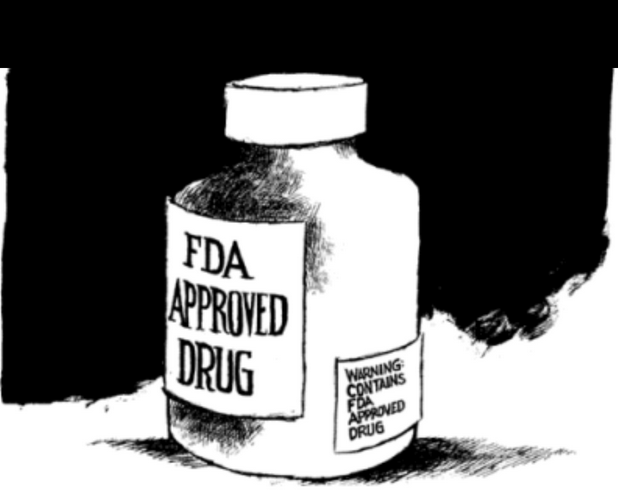
Use of Term “FDA” Should Always Trigger a Warning

fda_approved
Posted on   By Jon Rappoport
“In 1957, the FDA burned all the books of dissident physician Wilhelm Reich, M.D., smashed his laboratory equipment with axes, and threw him in jail, where he died.”—Robert Anton Wilson, High Times, March 2001.
Unless you’ve been living in cave on a remote mountain, you know the FDA has been coming down harder on nutritional companies that publish health claims for their products. Such claims trigger investigations and harassment.
But you see, this arrangement is backwards.
The use of the term “FDA” should be the trigger for immediate investigation, whenever it appears. For example, “The FDA has ruled (name of drug) is safe and effective.” Boom. Probe.
Why? Obviously, the FDA is a rogue criminal organization, which is guilty of massive RICO felonies. That’s why.
A news story mentioning the FDA appears in a major newspaper? The paper, if it has an approximation of ethical concern, should print this:
Warning: any action attributed to the FDA should be considered criminal. Accepting an FDA opinion on something more serious than ‘H2O=water’ endangers life and limb. This news outlet accepts no responsibility for the health consequences of any FDA decision.
Now we’d be on the right track.
July 26, 2000, Journal of the American Medical Association, Dr. Barbara Starfield, Johns Hopkins School of Public Health, “Is US health really the best in the world?”: Medical drugs kill 106,000 Americans per year. That’s a million killings per decade.
Every one of the killer drugs is certified as safe and effective by the FDA, the Agency tasked with protecting the health of the American people.
Example: Vioxx was approved for use by the FDA on May 20, 1999. Eventually, it caused 88,000-140,000 cases of heart disease. Conservative death-toll number? 60,000. (An estimated 58,000 American troops died during the Vietnam War.)
Warning: If you accept the FDA’s advice on a health matter, you’re risking death. In case there is any confusion, death means death.
Did you just read a statement from the FDA? Your life is in imminent danger.
Perhaps you recall the original approval of GMO crops and their associated highly toxic Roundup pesticide? No? Let me summarize it for you.
When you cut through the verbiage, you arrive at two key statements. One from Monsanto and one from the FDA, the agency responsible for overseeing, licensing, and certifying new food varieties as safe.
Quoted in the New York Times Magazine (October 25, 1998, “Playing God in the Garden”), Philip Angell, Monsanto’s director of corporate communications, famously stated:
“Monsanto shouldn’t have to vouchsafe the safety of biotech food. Our interest is in selling as much of it as possible. Assuring its safety is the FDA’s job.”
From the Federal Register, Volume 57, No.104, “Statement of [FDA] Policy: Foods Derived from New Plant Varieties,” here is what the FDA had to say on this matter:
“Ultimately, it is the food producer who is responsible for assuring safety.”
The buck-passing, the direct and irreconcilable clash of these two statements, is no accident. It’s not a sign of incompetence or sloppy work or a mistake or a miscommunication. It’s a clear signal the fix was in.
Warning: The relationship of an FDA certification of safety to actual science is coincidental. Run for the hills.
In a stunning interview with Truthout’s Martha Rosenberg, former FDA drug reviewer, Ronald Kavanagh, exposed the FDA as a relentless criminal mafia protecting its client, Big Pharma, with a host of mob strategies (“Former FDA Reviewer Speaks Out About Intimidation, Retaliation and Marginalizing of Safety,” 7/29/2012).

Scientifically Proven Method to Reverse Diabetes (Ad)

Kavanagh: “…widespread racketeering, including witness tampering and witness retaliation.”
“I was threatened with prison.”
“One [FDA] manager threatened my children…I was afraid that I could be killed for talking to Congress and criminal investigators.”
Kavanagh reviewed new drug applications made to the FDA by pharmaceutical companies. He was one of the holdouts at the Agency who insisted the drugs had to be safe and effective before being released to the public.
But honest appraisal wasn’t part of the FDA culture, and Kavanagh swam against the tide, until he realized his life and the life of his children was on the line.
What was his secret task at the FDA? “Drug reviewers were clearly told not to question drug companies and that our job was to approve drugs.” In other words, rubber stamp them. Say the drugs were safe and effective when they were not.
Veterans of the Armed Forces, take note: Kavanagh remarks that the drug pyridostigmine, given to US troops to prevent the later effects of nerve gas, “actually increased the lethality” of certain nerve agents.
Kavanagh recalls being given records of safety data on a drug—and then his bosses told him which sections not to read. Obviously, they knew the drug was dangerous and they knew exactly where, in the reports, that fact would be revealed.
Warning: the FDA hammers into submission its own employees who are trying to protect your health. These employees submit, resign, or risk their lives and the lives of their families. Have a nice day.
Of course, the US Department of Justice takes no action against the FDA. Why would they?
In the government lexicon, killer medical drug equals safe and effective, whereas vitamin, mineral, herb equals H-bomb. Didn’t you know that?
Warning: FDA killers resemble ordinary citizens. They appear entirely normal. Their methods have advanced to the point where they can commit their deeds without brandishing visible weapons.
“—Hi, I’m from the FDA. Hey, why are you running away? I’m a public servant doing his job. Gosh o gee, I’m just like you.”
Yes, they can affect an entirely average presence. They internally censor remorse for their crimes. They commit those crimes while pretending to believe they’re carrying out important work. I don’t know why the CIA and DARPA keep researching more advanced forms of mind control. They merely need to study the FDA. That Agency has it down.
Warning: failing to heed warnings about the FDA is a symptom of advanced dementia.”     Natural Blaze

Monday, May 23, 2016

If every soldier of Christ had done his duty

In the visions of the night a very impressive scene passed before me. I saw an immense ball of fire fall among some beautiful mansions, causing their instant destruction. I heard someone say: “We knew that the judgments of God were coming upon the earth, but we did not know that they would come so soon.” Others, with agonized voices, said: “You knew! Why then did you not tell us? We did not know.” On every side I heard similar words of reproach spoken.

In great distress I awoke. I went to sleep again, and I seemed to be in a large gathering. One of authority was addressing the company, before whom was spread out a map of the world. He said that the map pictured God’s vineyard, which must be cultivated. As light from heaven shone upon anyone, that one was to reflect the light to others. Lights were to be kindled in many places, and from these lights still other lights were to be kindled.

The words were repeated: “Ye are the salt of the earth: but if the salt have lost his savor, wherewith shall it be salted? it is thenceforth good for nothing, but to be cast out, and to be trodden underfoot of men. Ye are the light of the world. A city that is set on an hill cannot be hid. Neither do men light a candle, and put it under a bushel, but on a candlestick; and it giveth light unto all that are in the house. Let your light so shine before men, that they may see your good works, and glorify your Father which is in heaven.” Matthew 5:13-16.

I saw jets of light shining from cities and villages, and from the high places and the low places of the earth. God’s word was obeyed, and as a result there were memorials for Him in every city and village. His truth was proclaimed throughout the world. 

Then this map was removed and another put in its place. On it light was shining from a few places only. The rest of the world was in darkness, with only a glimmer of light here and there. Our Instructor said: “This darkness is the result of men’s following their own course. They have cherished hereditary and cultivated tendencies to evil. They have made questioning and faultfinding and accusing the chief business of their lives. Their hearts are not right with God. They have hidden their light under a bushel.”

If every soldier of Christ had done his duty, if every watchman on the walls of Zion had given the trumpet a certain sound, the world might ere this have heard the message of warning. But the work is years behind. While men have slept, Satan has stolen a march upon us.

Putting our trust in God, we are to move steadily forward, doing His work with unselfishness, in humble dependence upon Him, committing ourselves and our present and future to His wise providence, holding the beginning of our confidence firm unto the end, remembering that it is not because of our worthiness that we receive the blessings of heaven, but because of the worthiness of Christ, and our acceptance, through faith in Him, of God’s abounding grace. 
Testimonies for the Church, Volume 9. 1855 p.28.

Monday, May 16, 2016

Look What's Missing In The Great Hope


http://www.greatcontroversyad.com/greathope2.jpg 

Published by both Seventh-day Adventist denominational presses, Pacific Press and Review and Herald Publishing Association, The Great Hope lists as its author “E. G. White.” But would the prophet support an “adapted version” of her classical book The Great Controversy that does not include:

 (1) the cleansing of the heavenly sanctuary message
(2) the second angel's call to come out of Babylon
(3) the third angel's message exposing Sunday as the Mark of the Beast
(4) 1844 as the hour of God's judgment [part of the first angel's message]
(5) the investigative judgment [part of the first angel's message]
(6) the identification of who and what is Babylon, the harlot woman, and her daughters
(7) the identification of the beast of Revelation 13 and 17
(8) the little horn who persecuted the true church from 538-1798 and will be the chief instigator in these last days  
(9) Luther and all the reformers and their trials and persecution which will again be repeated
(10) the rise of the Advent awakening of the 1840s culminating in formation of the Remnant church and the seed of the woman, who keep the commandments of God and have the testimony of Jesus.
 Notice what the prophet wrote: “I am more anxious to see a wide circulation for this book than for any others I have written; for in The Great Controversy, the last message of warning to the world is given more distinctly than in any of my other books.” Publishing Ministry, 358.         Source


Will the great controversy cause harm?

Back in the 1980s, I was the Church Ministries Director of the Quebec Conference. I was alone at the office when the phone rang. I was instantly startled by the tone of the voice at the other end. An angry man went on the attack: “Is this the headquarters of the Seventh-day Adventist Church?”
I asked who he was.
“I am the police commissioner of Montreal.”
Somewhat frazzled, I asked him the reason of his call and obvious unhappiness.
“We have received numerous complaints about a book entitled The Great Controversy that is being placed in letter boxes in a “wealthy section” of the city. After some research we have identified your Church as the publisher and distributor. A quick perusal has clearly shown that the book is very anti the Catholic Church and thus falls in the category of ‘Hate Literature’ because its content can easily create hatred between communities”.
Then he quoted from an article of law that prohibited such an action and mentioned the heavy fine that went along for distributing material attacking another church.
My mind went numb for a moment, then I explained that our church did not usually do mass distribution of books, only short brochures that summarised who we were and what we believed. I added, that it was very possible that some individuals might be acting on their own and that we would certainly find out who and try to stop the action. He relented and agreed not to proceed with the threat.
Later I reported the incident to the conference president who quickly found out that a church member from another conference had donated $20,000 to some local members for the purpose of purchasing and then distributing the book. They selected the wealthy part of the Montreal. The action infuriated the residents who also had a long history of complaining to the police about Adventist church members who on Saturday mornings caused quite a bit of inconvenience by parking anywhere they could due to a lack of car lots. Of course, the two incidents were not related but together they had exacerbated the hostility of the community.
The saddest part was the reaction of those who had initiated the “evangelistic” dispersal of the book. Upset when the conference asked them to stop, they accused the leadership of cowardice, apostasy, and bowing to the pressure exerted by the “agents of Catholicism that infiltrated the church.” The incident taught me how difficult it was to explain to determined believers that not every action was Biblically timely or wise. Instead they found comfort in their understanding that good people were always going to be persecuted, even by their own church at times. I believe that the action of the conference was instrumental in protecting the Adventist church from what might have been a very nasty court action (we all know the frenzied appetite of the press for such occurrences).
Therefore it was with apprehension that I heard of the General Conference plan to freely distribute The Great Controversy on a large scale. I believe that the book was inspired and I know that Ellen White wrote that it should be placed in all homes, but I find myself wondering if doing so at this time in history is wise.
Did not the Apostle Paul write that we should not treat the prophecies with contempt but test everything and hold on to what is good. Doing so will enable us to avoid every kind of evil (1 Thessalonians 5:21). Not treating the writing of the prophets with contempt is about testing them as to their timeliness and relevance, which will help us to avoid using them in ways that are not good.
Written in the United States of the nineteenth century, The Great Controversy had quite an impact because America was a Protestant country and any writing that depicted in dark overtones the doings of the Catholic Church was bound to be highly popular. Some of the words that Ellen White used to describe the Pope and the prelates of Rome are very harsh but the political, social, and religious contexts made it understandable and facilitated the spread of the book. Today, any publication that dares to use a similar approach is quickly vilified as hate literature. We condemn similar anti-Catholic language used by white supremacists in their rallies, should we be careful not to be perceived as doing the same?
In 1988, I became the pastor of the Ottawa church. After my first sermon I was standing in the foyer greeting the members on their way out. A distinguished looking lady introduced herself, then told me that after being a Charismatic Catholic for years she had recently been baptised into our church. She informed that she had been severely criticised by family and friends but had maintained her relationships. She then invited me to meet with them, which I readily accepted for the following week. When I arrived, the lady greeted me but the ten other people in the room remained withdrawn. I had hardly had time to take my seat when to my great surprise the hostess asked me to justify the publication of The Great Controversy, which she said had almost prevented her from joining our church. Some well meaning Adventists had given it to her. She explained how harsh she had found the author’s statements against her church which, she added, had always been there for her whenever she had gone through some difficult and painful experience. I noticed the nods of the others. Then the dam burst, accusations and feelings of resentment surfaced. They had all read the book and were quoting those passages that referred to the Pope as a monster and also described Satan and the priests conniving to destroy the Truth. The remarkable thing was that they did not question the historical facts but the interpretation of the facts as well as the overall tone and the ‘vitriolic’ words. I must admit that defending the book against these accusations was not easy. I most certainly do not wish to repeat the experience.
Mass distribution, I’m afraid, will cause a similar reaction. I do not believe that having to face irate people and the press and maybe the court, charged with distributing hate literature, is necessarily what Christ had in mind when he said that those who would be persecuted for his namesake should consider themselves as blessed.
Beyond my personal experiences, I have listed below some reasons why I am not sure of the wisdom in mass distribution of The Great Controversy.
The length of the book:
It is well established that reading is no longer the favourite pastime of our contemporaries. Furthermore, reading religious works has been out of fashion for quite a while (even for believers who prefer to watch religious programs on TV). Today, communication must be fast if only to retain the attention. Few people have or take the time to read anything unless it is “texted”, emailed, on Facebook or Twitter. Newspapers are folding because of the decline in readership. I believe that it is much to expect that people would take the time to open a six-hundred-plus-page book, which moreover requires at least a passing interest in European history.
Postmodernism:
The West at best shows a very limited interest in religion and secular Australia and New Zealand show almost no interest at all. Add to this the fact that postmodernism rejects any idea that pretends to gather together clusters of events that have no natural link with one another and interpret them in terms of a common theme and ascribes meaning to them. The Postmodern mind finds it problematic to accept what it calls a meta-narrative defined as the overarching explanation of a state of affairs. The author of The Great Controversy does just that when she gathers historical events covering almost two thousand years and incorporates them into a vast panoramic concept that she identifies as the war between God and Satan. As acceptable as this seems to us as believers, this approach is highly suspicious to most contemporary readers.
Does it contain error?:
Adventist scholars spend quite a bit of time researching our beliefs and practises. Most of the time the research will confirm the doctrine under scrutiny, but sometimes the scholars are lead to acknowledge that added insights shed new light that calls for a re-evaluation of some beliefs. Over time the new understanding becomes part of our system of beliefs. Thus, many scholars and well-informed church members consider somewhat outmoded some prophetic interpretations and beliefs that are presented in the book. Three cases in point are (1) the signs in the sun, moon, and stars dating back some two hundred years are not considered to be indicative of the nearness of the Parousia; (2) the understanding of the investigative judgment; (3) That it is Satan and not God that pours the seven bowls (Revelation 18) over the wicked. The people who might choose to read the book will probably be the kind of readers that will question some of the theological material and, finding it wanting, reject the book altogether.
As a result of all the above, I’m afraid that the rubbish bins of our countries will be filled with discarded copies of The Great Controversy. That would be a tragedy indeed and certainly not what Ellen White intended when it was first published.
Pastor Eddy Johnson is the director of ADRA Blacktown and pastors two churches in the suburbs of Sydney, Australia.

Commentary:
I agree that we share the truth "in love", yet to now abandon the idea of distributing The Great Controversy is like saying the "great controversy" between Christ and Satan is now finished. Of course the book is extremely controversial, that's why it's called the great controversy. Can we be thankful that Martin Luther did not back down to extreme persecution by influential people. I am from a secular home, then after the service attended Sunday churches, was tired of my life of wondering and lostness, I "found" a copy of The Great Controversy and readily accepted it. Why? Because I finally found out what the story and meaning of the Universe was all about. JESUS! Do we think that the last days will get smoother? Let's not abandon the "Spirit of Prophecy" like Israel of old. Do you see the trend? Does "community consensus" prevail in this world now? Or do we share the truth in love. Do we simply allow the 4th kingdom of Daniel and Revelation to "scare us" through influential rich people?
My Dad was rich, which I rejected because of his tyranny of control. I have an idea of how the rich operate, and its always with soft angry rhetoric, and sophistry of the most clever appeal. Let us love the rich and appeal to them with love, yet let's not let them manipulate us with "group meetings" of displeasure for truth. All the wonderful philosophical arguments to abandon the distribution of The Great Controversy for "community consensus" is amazingly short sited. Of course the masses will be against it. blessings in Christ. John S.              Spectrum