Showing posts with label Oils. Show all posts

Saturday, November 17, 2018

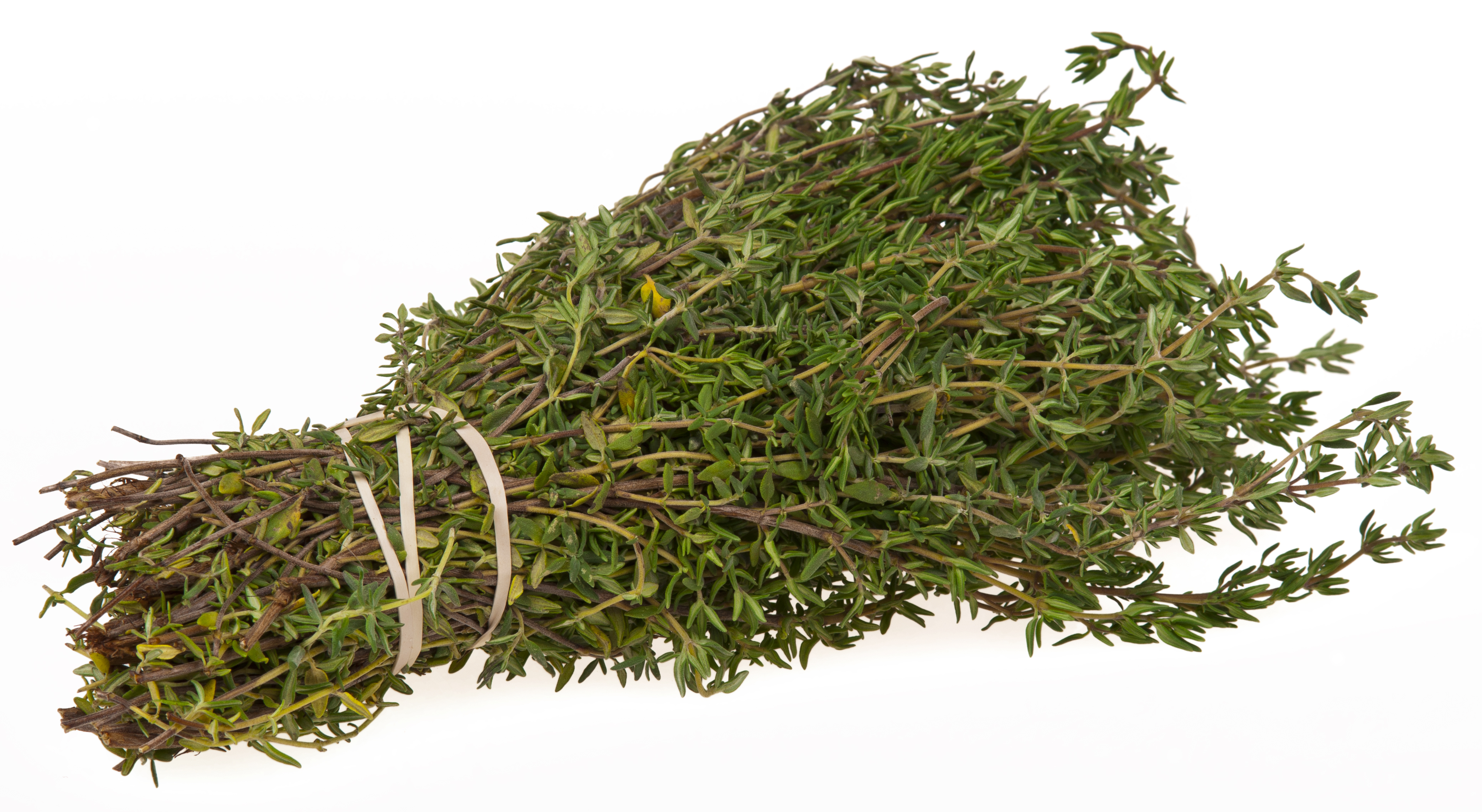
The Benefits of Thyme

Thymus vularis ct. linalol is the best oil for beginners to use and it is the safest to use on the skin, in baths, and on children and the elderly. Other chemotypes (ct) such as thymus vulgaris ct. thujanol, thymus vulgaris ct. thymol, and thymus vulgaris c.t carvacrol should be left to qualified aromatherapists. Thyme is one of the most used and most useful oils in aromatherapy, but always use thyme oil with care, in moderation.

Thyme has remarkable antiviral, bactericidal, fungicidal, antibiotic, diuretic, antispasmodic, expectorant, and antiseptic properties that make it wonderful to have around during cold and flu season. In addition to killing microbes, thyme helps the body to eliminate toxins and boosts the immune system by supporting the formation of white blood cells, increasing resistance to invading organisms. Its familiar, warm, herbaceous aroma is powerful and penetrating, and the origin of its name, which comes from the Greek word ‘thymos’ meaning ‘to perfume.’

Other traditional uses of thyme include the treatment of respiratory infections. An excellent pulmonary disinfectant, thyme is useful against flus, colds, sore throats, asthma, catarrh, coughs, laryngitis, whooping cough, and bronchitis. Inhale for nose, throat, and chest infections; for mouth and gum infections (such as thrush, gingivitis), use in toothpaste or mouthwash/gargle. 

As little as a .1 percent solution is effective. After a study in Germany, many researchers believe the effectiveness of cough medicines is due to the exhalation (after swallowing) of the local action of the essential oil on the respiratory tract. 

Extensive research has shown the effectiveness of essential oils, including thyme, as expectorants and to increase mucus secretions to relieve dry coughs. Inhalation in small amounts worked best; too strong has the opposite effect. Inhaled treatments are especially effective when treating chronic infections that linger in the sinuses.


  • Thyme is useful on infections of the urinary tract and bladder, and also acts as a diuretic, increasing its effectiveness
  • Also use for candida and vaginitis
  • Use to kill nail fungus
  • Thyme is an ingredient in natural hand sanitizers
  • Add thyme to a hot compress to relieve rheumatic pain, muscular aches and pains, sprains, sports injuries, sciatica, arthritis, gout
  • Crush the fresh herb or use diluted oil as first aid on insect bites and stings
  • Use on athlete’s foot. For this use, you can apply the oil neat, or undiluted, but protect the skin with some fatty cream. Other neat applications include animal bites and boils.
  • Use a one percent solution as an antibacterial wash for fresh produce
  • Use in hair and skin care regimes, as a hair tonic or in a face wash and for treatment of things like acne or warts
  • Use thyme in a sitz bath or massage to stimulate menstruation for weak or missing periods
  • Use to kill parasites
  • Thymol, a chemical constituent in thyme essential oil, has been found to increase blood-flow to the skin, thought to speed healing
  • Thymol has been found to protect and increase the percentage of healthy fats found in cell membranes
  • Dietary consumption of thyme has been shown to increase the amount of DHA (docosahexaenoic acid, an omega-3 fatty acid) in brain, kidney, and heart cell membranes
  • Thyme will discourage insects from invading your home
  • Use thyme with rosemary, lavender, and cedarwood in a mixture of grapeseed and jojoba carrier oils to treat alopecia areata. According to the double-blind controlled clinical trial, massage the mixture into the scalp daily for several months.
  • Because of the risk of irritation, it is a good idea to use thyme in blends. It blends particularly well with bergamot, grapefruit, lemon, lavender, rosemary and pine.

Thursday, September 27, 2018

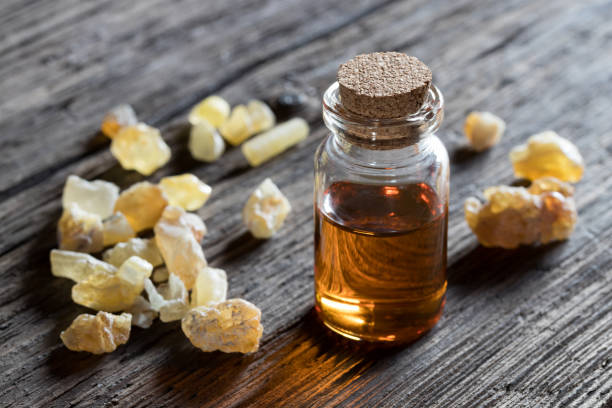
Frankincense Oil: The 'King' of Oils

Image result for Frankincense Oil
Mercola  June 02, 2016
Frankincense has a significant meaning in Christianity being one of the gifts offered by the three wise men to the newborn Jesus. However, did you know that t his fragrant resin can be transformed into an essential oil that's valued not only in religious practice, but in aromatherapy and natural health too? Continue reading to gain more knowledge about frankincense oil and the health benefits you may derive from it.

What Is Frankincense Oil?

Frankincense, also called olibanum,1 is derived from two types of Boswellia trees: Boswellia sacra and Boswellia carteri.2 The process starts with extracting the milky white sap from the tree bark and hardened into a gum resin in around 10 days,3 and scraped off as tear-shaped droplets.4 The resulting oil is pale yellow-green and has a woody, earthy and spicy aroma.5
Boswellia trees grow in African and Arabian regions, including Yemen, Oman, Somalia and Ethiopia. In particular, Oman is well-known for producing and trading frankincense to India, China and other countries in the Mediterranean for thousands of years. Live Science highlights that Oman is considered the most ancient source of frankincense.6
Frankincense trees can produce different colored resins. Brown-yellow and muddy frankincense is touted as the cheapest and most readily accessible, while silver and clear frankincense is considered high-quality. If you’re in Oman, the latter is usually reserved for the sultan  and rarely shipped out of the country – it’ s hard to acquire if you live in Western parts of the world.7,8

Monday, May 1, 2017

The food you eat directly affects your brain


iStock-92408982

Food is the best medicine. All your cells, bones, signaling molecules, and tissues are built from what you eat. For example, dietary fats are the building blocks of brain tissue and help balance hormones, and muscles are built from protein. Different vitamins and minerals are used to create energy and send electrical impulses along neurons so that we can move, think, and feel. A nourishing diet is the best strategy against depression.
The food we eat affects both our human and microbial cells. Numerous studies have shown that food changes the collection of trillions of beneficial bacteria in our guts, called the microbiome (1). In the name of convenience, flavor, or simply habit, so many of us consume inflammatory foods on a daily basis that increase intestinal permeability (leaky gut), harm the microbiome, and create chronic inflammation that can lead to depression.
Many studies have shown that people who eat an anti-inflammatory diet have significantly lower risks of depression (2-5). A recent study that tracked about 6,500 women over 12 years showed that women eating an anti-inflammatory diet had a 20% lower risk of developing depression than their peers (6). These anti-inflammatory diets consist of healthy fats, vitamins and antioxidants, and plenty of high-quality protein. On the other hand, many foods in the Standard American Diet (SAD) create chronic inflammation. These five inflammatory foods are the most frequent offenders I see when treating patients for depression:

Gluten

By now almost everyone has heard of gluten, the glue-like protein found in wheat. Grains like barley, rye, and contaminated oatmeal contain proteins that may be recognized by your body as gluten. Gluten and gluten-like proteins are some of the most inflammatory foods you can eat.
Many people think that gluten doesn’t affect them since they didn’t test positive for Celiac Disease. However, there are often false negatives on these tests because they don’t test for the full range of gluten proteins. Whether or not you have a diagnosed sensitivity to gluten, it isn’t doing you any favors, as it is almost exclusively present in processed foods.
Gluten drives inflammation by irritating the gut and gut microbes as well as intestinal tissues. This protein causes gut cells to produce a compound called zonulin, leading to intestinal permeability (or leaky gut). Gluten, which is a sticky protein, can also interfere with digestion by clumping together food particles. A recent study showed that gluten caused inflammation in gut cells of healthy volunteers, suggesting that gluten may cause adverse effects that can lead to depression in everyone (7).
Gluten consumption has been linked to depression, seizures, headaches, anxiety, nerve damage, and ADHD-like symptoms (8-10). Gluten has been linked to over 200 conditions, with neurotoxicity topping the list.
I’ve seen amazing recoveries from people who ditched the gluten – including myself. Gluten-free diets have helped people heal from too many seemingly hopeless diagnoses, like depression, to count!

Dairy

Believe me: I understand that dairy can be deeply pleasurable. Growing up in an Italian family, many of my fondest memories involve cheese, ice cream, ricotta, and yogurt. Science supports our attachment to dairy. On a molecular level, dairy contains morphine-like compounds which engage our opiate receptors and create mild dairy addiction (11).
A number of studies have shown that casein, a protein found in dairy products, can drive inflammation. Casein has been linked to several psychiatric conditions, ranging from schizophrenia to depression. Dairy may not be a problem for everyone, and some people can tolerate certain types of dairy, like raw milk. Fortunately, grassfed ghee is a wonderful substitute for butter.
If you’re suffering from symptoms of depression or anxiety, it’s worth eliminating dairy for 30 days and seeing how you feel. Some people are able to re-introduce dairy after a month off with no problems, while others totally lose their taste for it and even vomit when trying it again!

GMOs

Genetically-modified organisms (GMOs) have become a staple in the Standard American Diet. Beyond being a population-wide experiment in manipulating nature’s design, these foods, by definition, have been heavily treated with pesticides and herbicides. Since these chemicals have been designed to kill, it make sense that they’re quite toxic to our own human and microbial cells. Indeed, studies have shown that the common pesticide Roundup (glyphosate) causes cancer.
Alarmingly, these chemicals have been found in fetuses and breast milk, showing that the toxins used in modern farming are harming generations to come. Roundup is toxic to fetal cells and can lead to birth defects. This toxicant disrupts our microbiome, messing with the production of essential amino acids like tryptophan, absorption of minerals, and detoxification in the liver.
In addition to Roundup, the primary herbicide sprayed on GMOs like soy, GMOs also carry a variety of other toxicants that may be even more harmful in combination than alone. As even non-GMO foods can be contaminated with pesticides, I advise my clients, especially those suffering from depression, to eat organic.
Think eating organic is too expensive? Our Vital Mind Reset community support director, Shauna, has written an excellent article about eating healthy on food stamps!

Sugar and Artificial Sugar

Americans love sugar. The average American eats a staggering 164 pounds of sugar per year (12,13). Think about that for a moment. Even worse, sugar is highly addictive – the more we eat, the more we want.
Our bodies were not designed to handle the blood sugar and insulin roller coaster that many of us are on. Here’s how it goes: when you eat sugar, whether it’s in an obvious form like soda or a non-obvious form like pasta, your blood sugar increases quickly. This fast increase then spikes insulin. When insulin removes blood sugar, you then have a blood sugar crash, and cortisol comes in to compensate and try to move sugar out of storage and back into the bloodstream. This process, often called reactive hypoglycemia, is responsible for carb and sugar cravings (since your brain needs steady sugar to function), which leads to anxiety, headaches, irritability, and ultimately depression.
Overall, high blood sugar causes inflammation, which is one of the most significant risk factors for depression. Balancing blood sugar is one of the most effective treatments for depression and anxiety.
Sugar messes with our brain health in three main ways. First, sugar creates inflammation, often by spiking insulin and harming our gut microbiome. Next, sugar derails hormones, ultimately increasing levels of the stress hormone cortisol and disrupting the balance of sex hormones. Finally, sugar starves the brain and damages important structures in our bodies, like cell membranes and blood vessels (14). All this can lead to depression.
Because of all the research showing how harmful sugar is (15-18), food manufacturers have gotten creative with its naming. Don’t be fooled by code names like cane sugar, crystalline fructose, maltodextrin, high-fructose corn syrup – it’s all sugar.
It’s tempting to swap out sugar for artificial sweeteners. Artificial sugars, like aspartame and sucralose, are ‘zero calorie’ because they cannot be digested by the human body. But these chemicals don’t just pass through your body with no effect. Artificial sugars confuse hormones and change your microbiome. A high-profile scientific article showed that artificial sugar consumption leads to metabolic syndromes like insulin resistance and diabetes (19). Choose sweeteners that your body recognizes, like honey.

Vegetable Oils

The Standard American Diet contains large amounts of unhealthy fats, mostly in the form of commercial vegetable oils. Many processed foods, ranging from store-bought cookies to salad dressing, contain these oils. Vegetable oils include safflower oil, corn oil, sunflower oil, soybean oil, and canola oil. These oils are considered ‘processed’ because many high-heat and high-pressure steps, as well as chemical solvents, are required to create them. Further, many of these oils are made from GMOs.
For example, have you ever seen a canola plant? Canola oil, which has been touted as “heart healthy,” is derived from the Canadian rapeseed plant. Recognizing that “rape oil” was not a good marketing tactic, this invention was given a new name as a combination of “Canada” and “ola,” which means oil. Today, it is genetically modified by Monsanto to withstand saturation with Roundup herbicide (20, 21).
In short, our bodies do not recognize vegetable oils, especially when they’re heated and distorted. Consuming vegetable oils sounds the alarm of inflammation. Processed vegetable oils have been linked to thyroid dysfunction, cardiovascular diseases (22), nutrient deficiencies, cancer (23), and psychiatric disorders like depression (24, 25).

So what do I eat?!

I recommend that people give themselves 2-4 weeks to kick the sugar, gluten, and dairy habit. In this time, you can try non-GMO foods and healthier fats like olive oil and lard. People are amazed by how good they feel and how quickly their tastes change.
It’s can be overwhelming to try to overhauling your diet, and we’ve been led to seek quick and easy fixes. As someone who’s radically changed her diet and outlook on eating, I assure you that the deep commitment to yourself and your health is worth it. When you remove these inflammatory foods, you can more easily tap into your intuition to properly nourish yourself.

References
  1. http://stm.sciencemag.org/content/1/6/6ra14
  2. https://www.ncbi.nlm.nih.gov/pubmed/26344165
  3. https://www.ncbi.nlm.nih.gov/pubmed/27788314
  4. https://www.ncbi.nlm.nih.gov/pubmed/26586104
  5. https://www.ncbi.nlm.nih.gov/pubmed/27592562
  6. https://www.ncbi.nlm.nih.gov/pubmed/27498949
  7. https://www.ncbi.nlm.nih.gov/pmc/articles/PMC1954879/
  8. http://jnnp.bmj.com/content/72/5/560.full
  9. https://www.ncbi.nlm.nih.gov/pubmed/19758171
  10. http://www.drperlmutter.com/about/grain-brain-by-david-perlmutter/
  11. https://www.ncbi.nlm.nih.gov/pubmed/26877644
  12. https://www.ncbi.nlm.nih.gov/pubmed/27327801
  1. https://www.ncbi.nlm.nih.gov/pubmed/27358413
  2. https://www.ncbi.nlm.nih.gov/pubmed/27312321
  3. https://www.ncbi.nlm.nih.gov/pubmed/27226903
  4. https://www.ncbi.nlm.nih.gov/pubmed/28035340
  5. https://www.ncbi.nlm.nih.gov/pubmed/28024276
  6. http://www.nature.com/nature/journal/v514/n7521/full/nature13793.html
  7. https://draxe.com/canola-oil-gm/
  8. http://onlinelibrary.wiley.com/doi/10.1002/047167849X.bio018/abstract
  9. https://www.ncbi.nlm.nih.gov/pubmed/24632108
  10. https://www.ncbi.nlm.nih.gov/pubmed/18584483
  11. https://www.ncbi.nlm.nih.gov/pubmed/26393778
  12. https://www.ncbi.nlm.nih.gov/pubmed/25499313 
Kelly Brogan MD

Wednesday, February 22, 2017

Organic Canola Oil: A Food Fallacy

By Catherine J. Frompovich
Ever since the late 1990s, when canola oil started to become a ubiquitous ingredient in food processing and restaurant fare, consumers have been ingesting it, literally, by the tons!
Canada produces 20 percent of the world’s canola oil.  The U.S. imports an average of 510,000 tons of canola oil per year!
Canola is a heated and processed oil using anywhere from 80 – 90°Celsius and even 120°Celsius temperature in the processing, or 176 – 194° Fahrenheit to 248° Fahrenheit.  That would be in addition to any additional heating a cook uses when preparing foods—something to factor in to your cooking.
Christened “Canola” from “Can” (for Canada) and “ola” (for oil low acid), canola is not, strictly speaking, rapeseed. There is a internationally regulated definition of canola that differentiates it from rapeseed, based upon its having less than two percent erucic acid and less than 30 umoles glucosinolates. Oilseed products that do not meet this standard cannot use the trademarked term “Canola.”  [1]   [CJF emphasis]
That 2 percent of erucic acid gets a lot of human digest tracts very upset, I’ve found as a nutritionist!  The Free Medical Dictionary by Farlex defines erucic acid as:
a monounsaturated fatty acid that is a major constituent of certain oils, such as rapeseed oilBecause it [erucic acid] has been linked to cardiac muscle damage, oils such as canola oil were developed that are low in erucic acid. [2].
At one time, rapeseed oil was not permitted to be sold in the USA by the U.S. FDA, because of its toxicity.
By the way, there was a petition [3] that was delivered to Whole Foods about their using canola in all the edible products they make and sell, including its fresh food and soup bars! As an aside, since the late 1990s, I was in contact with Whole Foods various VPs about using canola oil.  The letters I received from WF, in my opinion, showed shamefully woeful concerns for human health issues.  Whole Foods was more concerned about the costs of producing products.  I have refused to purchase any food products from Whole Foods since then, which contain canola oil, e.g., their “organic canola oil” is bunk, in my opinion.      Activist Post

Monday, November 9, 2015

Oregano Oil One of the Most Effective Natural Antibiotics

oregano-oil-the-ultimate-antibiotic
Oregano oil is the ultimate antibiotic. Oregano is a powerful herb with unique healing properties. Did you know that oregano has eight times more antioxidants than apples and three times as much as blueberries?  Antioxidants are needed to protect our body against free radical damage. They boost the immune-system naturally. Oregano Oil is the most potent plant oil in the world!
The distribution of oregano oil  started in Ancient Greece. In Greek the word oregano is translated  as joy of the mountains. The Greeks were first to use oil for medicinal purposes, such as a powerful antiviral, antibacterial, antiseptic, antifungal agent and also as a remedy for pain, and inflammation.  It was the main antibacterial tool used by Hippocrates. Oregano leaves were traditionally used to treat illnesses related to the respiratory and digestive systems.

 Oregano Oil  is The Ultimate  Antibiotic

Main Ingredients Oregano Essential Oil  is a mineral density powerhouse.  It contains calcium, magnesium, zinc, iron, potassium, copper, boron, manganese, vitamins C, A (beta-carotene), Niacin.

Oregano oil contains four main groups of chemicals which are active healing agents.

Phenols including carvacrol and thymol. They act as antiseptics and antioxidants. Terpenes including pinene and terpinene. They possess antiseptic, antiviral, anti-inflammatory and anesthetic properties. Linalool and bonreol are two long-chain alcohols found in oregano oil. They exhibit antiviral and antiseptic properties. Esters include linalyl acetate and geranyl acetate. They exhibit antifungal properties. Although all these compounds possess healing properties, the most significant  primary compound found in oregano oil is carvacrol. Scientific research has proved carvacrol to be one of the most effective antibiotics known to science.

Not All Oregano Oil is Created Equal

Real wild Mediteranean Oregano needs to be either of origanum vulgare kind, or Thymus capitatus, which mostly grows in Spain. It is very important to make sure the Oil of Oregano is derived  from these two kinds. It also has to have the carvacrol concentration of 70% or more. Most importantly, oregano essential oil  does not create harmful strains in the body  and does not have side effects the pharmaceutical antibiotics do. Moreover, it is effective against a dangerous and even deadly bacteria, but does not produce biological changes in the body.  Oregano essential oil nourishes the body and doesn’t deplete it of nutrients like conventional antibiotics do. And if you look at the statistics, people in the Mediterranean live longer for the most part. Maybe partly because of oregano which is added to most Mediterranean dishes!
Healty Holistic Living