Showing posts with label Refined Foods. Show all posts

Wednesday, September 30, 2020

How ultra-processed food is ageing our cells

Telegraph 13 September 2020

A growing body of research suggests that cooking our own food could be the secret to a long and healthy life

Whenever Dr Yasmin Razak sees a healthy patient in their 90s at her London GP surgery, she has a question for them. “I ask what they do to look after themselves. They say every time: ‘I make my own food and I don’t eat out’. They either have an allotment or grow food in their garden.”

For anyone searching for the secret to long life, the answer looks straightforward, then. Dr Razak's nonagenarians, who also cite regular walks, do not rely on the convenience foods, takeaways and ready meals that form a staple of so many British diets today.

Wednesday, November 28, 2018

Immigrants’ gut bacteria “westernize” soon after they move to the U.S


The Atlantic Nov 1, 2018
In Thailand, a small group of Hmong women lived in a rural village, far from the nearest town. They grew everything they ate, mostly rice and vegetables. They boiled most of their food, and they rarely consumed meat.

But then something happened to these Hmong women that shocked their systems, permanently altering, in just a short time, the course of their health—as well as the very germs that dwelled inside of them. They immigrated to the United States.

In their new homeland—Minneapolis—they began to eat more protein, sugar, and fat. They indulged, like most Americans do, in processed food. Within a generation, the Hmong women went from having an obesity rate of 5 percent to one of more than 30 percent.

That statistic reflects one of the most vexing things about the well-being of immigrants in the U.S.: Many people who come to the U.S. for a better life end up with worse health. Many different studies have now shown that the longer certain groups live in the U.S., the worse some of their health outcomes get, especially when it comes to obesity. One study found that after one year in America, just 8 percent of immigrants are obese, but among those who have lived in the U.S. for 15 years, the obesity rate is 19 percent.

Saturday, November 17, 2018

More than a third of adults in the US will eat fast food

NY Times Oct. 22, 2018
More than a third of adults in the United States patronize fast-food restaurants and pizza parlors on any given day. And the higher their income, the more likely they are to do so.

The Centers for Disease Control and Prevention has released data on fast food consumption gathered from 2013 to 2016 in the National Health and Nutrition Examination Survey, or Nhanes, a program that continuously monitors the health and nutritional status of Americans.

The Nhanes analysis relies on physical examinations and in-person interviews to produce demographic, socioeconomic and health data, including dietary information from a representative sample of about 10,000 adults over the four years.

Fast food — defined broadly in the survey as any item obtained from a “fast food/pizza” establishment — is eaten by 37 percent of American adults at some point during the day.

Among those who eat fast food, 44 percent do so at lunch and 42 percent at dinner. Men are more likely to grab fast food at lunch; women are more likely to snack on it.

The most enthusiastic consumers are 20 to 39 years old: 45 percent of them eat fast food on any given day. That figure declines sharply with age, to 38 percent among people 40 to 59, and to 24 percent among those over age 60.

Thursday, September 27, 2018

Americans consuming more fake meat & dairy than ever

RT  16 Sep, 2018
A new study by the Good Food Institute (GFI), which represents the plant-based foods industry, found that sales of substitutes for animal products have exceeded $3.7 billion.
While total US retail food sales grew just two percent over the last 12 months, retail sales of plant-based foods grew 17 percent during the same time period.
“The plant-based foods industry has gone from being a relatively niche market to fully mainstream,” said Michele Simon, Executive Director of the Plant Based Foods Association (PBFA).

Tuesday, April 10, 2018

Junk food is a multibillion-dollar industry

Mercola  April 04, 2018
Junk food is a multibillion-dollar industry. In his book, “Fast Food Nation,” Eric Schlosser, investigative journalist and best-selling author, describes how nearly 90 percent of America's budget is spent on junk food.1 What is more appalling is that nearly 60 percent of food eaten in America are ultra-processed,2 convenience foods that can be purchased at your local gas station. These processed foods also account for nearly 90 percent of the consumption of added sugar in the U.S.

The industry doesn't depend upon fate to drive sales. They use several tricks to paint their products in a better light. Since people eventually start questioning the decision to eat foods based solely on taste, especially with the increasing attention on healthy eating, the industry funds research to justify your cravings for their products.

Thus, when a study revealed that children who ate candy bars were 22 percent less likely to be overweight,3 it came as no surprise the research was funded by a trade association representing some of the country's top candy makers. Marion Nestle, Ph.D., professor of nutrition at New York University, acknowledges that "The only thing that moves sales is health claims."4
Nestle formerly served as nutrition policy adviser in the U.S. Department of Health and Human Services and editor of the Surgeon General's Report on Nutrition and Health.5

Reliance on these ultra-processed foods is undoubtedly one of the primary factors driving skyrocketing rates of obesity and disease. Consumers may "know better," but it is difficult to steer clear of foods that may be more addictive than cocaine for some.6 A recent report from the U.S. Centers for Disease Control and Prevention (CDC) reveals only 10 percent of Americans are getting enough fruit and vegetables in their daily diet.7

Friday, March 16, 2018

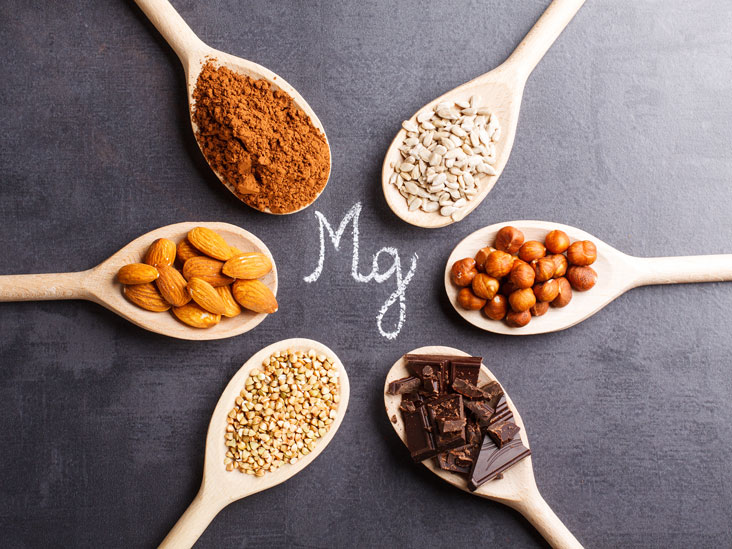
Vitamin D can't be metabolized without sufficient magnesium levels

Image result for magnesium
ScienceDaily    02/26/2018
A review published in The Journal of the American Osteopathic Association found Vitamin D can't be metabolized without sufficient magnesium levels, meaning Vitamin D remains stored and inactive for as many as 50 percent of Americans.

"People are taking Vitamin D supplements but don't realize how it gets metabolized. Without magnesium, Vitamin D is not really useful or safe," says study co-author Mohammed S. Razzaque, MBBS, PhD, a professor of pathology at Lake Erie College of Osteopathic Medicine.

Razzaque explains that consumption of Vitamin D supplements can increase a person's calcium and phosphate levels even if they remain Vitamin D deficient. The problem is people may suffer from vascular calcification if their magnesium levels aren't high enough to prevent the complication.

Patients with optimum magnesium levels require less Vitamin D supplementation to achieve sufficient Vitamin D levels. Magnesium also reduces osteoporosis, helping to mitigate the risk of bone fracture that can be attributed to low levels of Vitamin D, Razzaque noted.

Deficiency in either of these nutrients is reported to be associated with various disorders, including skeletal deformities, cardiovascular diseases, and metabolic syndrome.

While the recommended daily allowance for magnesium is 420 mg for males and 320 mg for females, the standard diet in the United States contains only about 50 percent of that amount. As much as half of the total population is estimated to be consuming a magnesium-deficient diet.

Researchers say the magnesium consumption from natural foods has decreased in the past few decades, owing to industrialized agriculture and changes in dietary habits. Magnesium status is low in populations who consume processed foods that are high in refined grains, fat, phosphate, and sugar.

"By consuming an optimal amount of magnesium, one may be able to lower the risks of Vitamin D deficiency, and reduce the dependency on Vitamin D supplements," says Razzaque.

Magnesium is the fourth most abundant mineral in the human body after calcium, potassium, and sodium. Foods high in magnesium include almonds, bananas, beans, broccoli, brown rice, cashews, egg yolk, fish oil, flaxseed, green vegetables, milk, mushrooms, other nuts, oatmeal, pumpkin seeds, sesame seeds, soybeans, sunflower seeds, sweet corn, tofu, and whole grains.

Wednesday, November 1, 2017

For years it has been a supposed mystery, but it is finally being acknowledged that a primary cause of cancer in the world today is diet


Walking Times   October 30, 2017
For years it has been a supposed mystery, but it is finally being acknowledged that a primary cause of cancer in the world today is diet. Studies are now showing that obesity plays an enormous role in one’s chances of getting cancer, and the main cause of obesity is the type of foods people eat. It is in large part a lifestyle disease, and the most important relevant lifestyle choice is food.
“Overall, we estimated that 40.8% of incident cancer cases were attributable to exposure to the 24 factors included in the analysis (Table 2). Tobacco smoking was responsible for the greatest cancer burden, accounting for an estimated 15.7% of all incident cancer cases (2485 cases), followed by physical inactivity and excess body weight, which were responsible for an estimated 7.2% and 4.3% of incident cancer cases, respectively. All other exposures of interest were estimated to be responsible for less than 4.0% of incident cancer cases each.” [Source]
More specifically, researchers are pointing out the connection between the body’s insulin response to food and cancer metabolism. In short, there is a paradigm shift taking place and we are admitting that food can either feed or starve cancer cells. Here, in a piece for The Los Angeles Times, writer Sam Apple explains this connection:
“… researchers have made progress in understanding the diet-cancer connection. The advances have emerged in the somewhat esoteric field of cancer metabolism, which investigates how cancer cells turn the nutrients we consume into fuel and building blocks for new cancer cells.

Largely ignored in the last decades of the 20th century, cancer metabolism has undergone a revival as researchers have come to appreciate that some of the most well-known cancer-causing genes, long feared for their role in allowing cancer cells to proliferate without restraint, have another, arguably even more fundamental role: allowing cancer cells to “eat” without restraint. This research may yield a blockbuster cancer treatment, but in the meantime it can provide us with something just as crucial — knowledge about how to prevent the disease in the first place.” [Source]
Does this mean that these new revelations about cancer and the foods which cause it will trigger a widespread shift in the consumption habits of ordinary people? Will people switch to real food and abandon fake food?
Could it also mean that major food companies will face some degree of liability for producing addictive foods which are extremely high in sugars, artificial sweeteners, refined carbohydrates and other ingredients which trigger the body’s insulin response?

Thursday, October 26, 2017

Stress could be just as harmful to the human body as a nutritionally poor diet.

Rdmag  10/17/2017
A diet full of junk food isn’t the only thing that can have a negative impact on the digestive system.
Researchers from Brigham Young University (BYU) found that stress could be just as harmful to the human body as a nutritionally poor diet.
The scientists discovered that when female mice were exposed to stress, their gut microbiota—the microorganisms vital to digestive and metabolic health—morphed to look like the mice had been eating a high-fat diet.
“Stress can be harmful in a lot of ways but this research is novel in that it ties stress to female-specific changes in the gut microbiota,” BYU professor of microbiology and molecular biology Laura Bridgewater said in a statement. “We sometimes think of stress as a purely psychological phenomenon but it causes distinct physical changes.”
The team performed an experiment on a large group of eight-week old mice and exposed half of the males and half of the females to a high-fat diet. After 16 weeks, all of the mice were exposed to mild stress over the course of 18 days.
Microbial DNA from the mice’s fecal pellets were extracted before and after the stress to test how the gut microbiota was impacted. They also measured mouse anxiety based on how much and where the mice traveled in an open field arena.
After analyzing the results, the researchers learned males on a high-fat diet exhibited more anxiety than females on the high-fat diet. Males on the high-fat diet also showed decreased activity in response to stress.
However, stress only caused the gut microbiota composition to shift in female mice as if they were on a high-fat diet.
“In society, women tend to have higher rates of depression and anxiety, which are linked to stress,” Bridgewater said. “This study suggests that a possible source of the gender discrepancy may be the different ways gut microbiota responds to stress in males vs. females.”
The study was published in Scientific Reports.  

Monday, May 1, 2017

The food you eat directly affects your brain


iStock-92408982

Food is the best medicine. All your cells, bones, signaling molecules, and tissues are built from what you eat. For example, dietary fats are the building blocks of brain tissue and help balance hormones, and muscles are built from protein. Different vitamins and minerals are used to create energy and send electrical impulses along neurons so that we can move, think, and feel. A nourishing diet is the best strategy against depression.
The food we eat affects both our human and microbial cells. Numerous studies have shown that food changes the collection of trillions of beneficial bacteria in our guts, called the microbiome (1). In the name of convenience, flavor, or simply habit, so many of us consume inflammatory foods on a daily basis that increase intestinal permeability (leaky gut), harm the microbiome, and create chronic inflammation that can lead to depression.
Many studies have shown that people who eat an anti-inflammatory diet have significantly lower risks of depression (2-5). A recent study that tracked about 6,500 women over 12 years showed that women eating an anti-inflammatory diet had a 20% lower risk of developing depression than their peers (6). These anti-inflammatory diets consist of healthy fats, vitamins and antioxidants, and plenty of high-quality protein. On the other hand, many foods in the Standard American Diet (SAD) create chronic inflammation. These five inflammatory foods are the most frequent offenders I see when treating patients for depression:

Gluten

By now almost everyone has heard of gluten, the glue-like protein found in wheat. Grains like barley, rye, and contaminated oatmeal contain proteins that may be recognized by your body as gluten. Gluten and gluten-like proteins are some of the most inflammatory foods you can eat.
Many people think that gluten doesn’t affect them since they didn’t test positive for Celiac Disease. However, there are often false negatives on these tests because they don’t test for the full range of gluten proteins. Whether or not you have a diagnosed sensitivity to gluten, it isn’t doing you any favors, as it is almost exclusively present in processed foods.
Gluten drives inflammation by irritating the gut and gut microbes as well as intestinal tissues. This protein causes gut cells to produce a compound called zonulin, leading to intestinal permeability (or leaky gut). Gluten, which is a sticky protein, can also interfere with digestion by clumping together food particles. A recent study showed that gluten caused inflammation in gut cells of healthy volunteers, suggesting that gluten may cause adverse effects that can lead to depression in everyone (7).
Gluten consumption has been linked to depression, seizures, headaches, anxiety, nerve damage, and ADHD-like symptoms (8-10). Gluten has been linked to over 200 conditions, with neurotoxicity topping the list.
I’ve seen amazing recoveries from people who ditched the gluten – including myself. Gluten-free diets have helped people heal from too many seemingly hopeless diagnoses, like depression, to count!

Dairy

Believe me: I understand that dairy can be deeply pleasurable. Growing up in an Italian family, many of my fondest memories involve cheese, ice cream, ricotta, and yogurt. Science supports our attachment to dairy. On a molecular level, dairy contains morphine-like compounds which engage our opiate receptors and create mild dairy addiction (11).
A number of studies have shown that casein, a protein found in dairy products, can drive inflammation. Casein has been linked to several psychiatric conditions, ranging from schizophrenia to depression. Dairy may not be a problem for everyone, and some people can tolerate certain types of dairy, like raw milk. Fortunately, grassfed ghee is a wonderful substitute for butter.
If you’re suffering from symptoms of depression or anxiety, it’s worth eliminating dairy for 30 days and seeing how you feel. Some people are able to re-introduce dairy after a month off with no problems, while others totally lose their taste for it and even vomit when trying it again!

GMOs

Genetically-modified organisms (GMOs) have become a staple in the Standard American Diet. Beyond being a population-wide experiment in manipulating nature’s design, these foods, by definition, have been heavily treated with pesticides and herbicides. Since these chemicals have been designed to kill, it make sense that they’re quite toxic to our own human and microbial cells. Indeed, studies have shown that the common pesticide Roundup (glyphosate) causes cancer.
Alarmingly, these chemicals have been found in fetuses and breast milk, showing that the toxins used in modern farming are harming generations to come. Roundup is toxic to fetal cells and can lead to birth defects. This toxicant disrupts our microbiome, messing with the production of essential amino acids like tryptophan, absorption of minerals, and detoxification in the liver.
In addition to Roundup, the primary herbicide sprayed on GMOs like soy, GMOs also carry a variety of other toxicants that may be even more harmful in combination than alone. As even non-GMO foods can be contaminated with pesticides, I advise my clients, especially those suffering from depression, to eat organic.
Think eating organic is too expensive? Our Vital Mind Reset community support director, Shauna, has written an excellent article about eating healthy on food stamps!

Sugar and Artificial Sugar

Americans love sugar. The average American eats a staggering 164 pounds of sugar per year (12,13). Think about that for a moment. Even worse, sugar is highly addictive – the more we eat, the more we want.
Our bodies were not designed to handle the blood sugar and insulin roller coaster that many of us are on. Here’s how it goes: when you eat sugar, whether it’s in an obvious form like soda or a non-obvious form like pasta, your blood sugar increases quickly. This fast increase then spikes insulin. When insulin removes blood sugar, you then have a blood sugar crash, and cortisol comes in to compensate and try to move sugar out of storage and back into the bloodstream. This process, often called reactive hypoglycemia, is responsible for carb and sugar cravings (since your brain needs steady sugar to function), which leads to anxiety, headaches, irritability, and ultimately depression.
Overall, high blood sugar causes inflammation, which is one of the most significant risk factors for depression. Balancing blood sugar is one of the most effective treatments for depression and anxiety.
Sugar messes with our brain health in three main ways. First, sugar creates inflammation, often by spiking insulin and harming our gut microbiome. Next, sugar derails hormones, ultimately increasing levels of the stress hormone cortisol and disrupting the balance of sex hormones. Finally, sugar starves the brain and damages important structures in our bodies, like cell membranes and blood vessels (14). All this can lead to depression.
Because of all the research showing how harmful sugar is (15-18), food manufacturers have gotten creative with its naming. Don’t be fooled by code names like cane sugar, crystalline fructose, maltodextrin, high-fructose corn syrup – it’s all sugar.
It’s tempting to swap out sugar for artificial sweeteners. Artificial sugars, like aspartame and sucralose, are ‘zero calorie’ because they cannot be digested by the human body. But these chemicals don’t just pass through your body with no effect. Artificial sugars confuse hormones and change your microbiome. A high-profile scientific article showed that artificial sugar consumption leads to metabolic syndromes like insulin resistance and diabetes (19). Choose sweeteners that your body recognizes, like honey.

Vegetable Oils

The Standard American Diet contains large amounts of unhealthy fats, mostly in the form of commercial vegetable oils. Many processed foods, ranging from store-bought cookies to salad dressing, contain these oils. Vegetable oils include safflower oil, corn oil, sunflower oil, soybean oil, and canola oil. These oils are considered ‘processed’ because many high-heat and high-pressure steps, as well as chemical solvents, are required to create them. Further, many of these oils are made from GMOs.
For example, have you ever seen a canola plant? Canola oil, which has been touted as “heart healthy,” is derived from the Canadian rapeseed plant. Recognizing that “rape oil” was not a good marketing tactic, this invention was given a new name as a combination of “Canada” and “ola,” which means oil. Today, it is genetically modified by Monsanto to withstand saturation with Roundup herbicide (20, 21).
In short, our bodies do not recognize vegetable oils, especially when they’re heated and distorted. Consuming vegetable oils sounds the alarm of inflammation. Processed vegetable oils have been linked to thyroid dysfunction, cardiovascular diseases (22), nutrient deficiencies, cancer (23), and psychiatric disorders like depression (24, 25).

So what do I eat?!

I recommend that people give themselves 2-4 weeks to kick the sugar, gluten, and dairy habit. In this time, you can try non-GMO foods and healthier fats like olive oil and lard. People are amazed by how good they feel and how quickly their tastes change.
It’s can be overwhelming to try to overhauling your diet, and we’ve been led to seek quick and easy fixes. As someone who’s radically changed her diet and outlook on eating, I assure you that the deep commitment to yourself and your health is worth it. When you remove these inflammatory foods, you can more easily tap into your intuition to properly nourish yourself.

References
  1. http://stm.sciencemag.org/content/1/6/6ra14
  2. https://www.ncbi.nlm.nih.gov/pubmed/26344165
  3. https://www.ncbi.nlm.nih.gov/pubmed/27788314
  4. https://www.ncbi.nlm.nih.gov/pubmed/26586104
  5. https://www.ncbi.nlm.nih.gov/pubmed/27592562
  6. https://www.ncbi.nlm.nih.gov/pubmed/27498949
  7. https://www.ncbi.nlm.nih.gov/pmc/articles/PMC1954879/
  8. http://jnnp.bmj.com/content/72/5/560.full
  9. https://www.ncbi.nlm.nih.gov/pubmed/19758171
  10. http://www.drperlmutter.com/about/grain-brain-by-david-perlmutter/
  11. https://www.ncbi.nlm.nih.gov/pubmed/26877644
  12. https://www.ncbi.nlm.nih.gov/pubmed/27327801
  1. https://www.ncbi.nlm.nih.gov/pubmed/27358413
  2. https://www.ncbi.nlm.nih.gov/pubmed/27312321
  3. https://www.ncbi.nlm.nih.gov/pubmed/27226903
  4. https://www.ncbi.nlm.nih.gov/pubmed/28035340
  5. https://www.ncbi.nlm.nih.gov/pubmed/28024276
  6. http://www.nature.com/nature/journal/v514/n7521/full/nature13793.html
  7. https://draxe.com/canola-oil-gm/
  8. http://onlinelibrary.wiley.com/doi/10.1002/047167849X.bio018/abstract
  9. https://www.ncbi.nlm.nih.gov/pubmed/24632108
  10. https://www.ncbi.nlm.nih.gov/pubmed/18584483
  11. https://www.ncbi.nlm.nih.gov/pubmed/26393778
  12. https://www.ncbi.nlm.nih.gov/pubmed/25499313 
Kelly Brogan MD

Wednesday, March 9, 2016

Refined Foods Increase Risk of Lung Cancer


© Gary Cameron

Eating foods that are high on the glycemic index (GI), such as white bread, bagels, and rice, can increase the risk of lung cancer by as much as 49 percent, a new study has found.
Having examined the eating and smoking habits of 4,320 people, of whom 1,905 were diagnosed with cancer and 2,415 had no health issues, researchers found that those with a diet high in GI foods were nearly 50 percent more likely to develop lung cancer.
What many may find even more surprising, however, is that non-smokers with such a diet are more at-risk, with results showing that they were more than twice as likely to develop the cancer as those with a diet mainly low in GI food.

The study, which was conducted at the University of Texas MD Anderson Cancer Center, found that high GI foods, which also include potatoes and corn flakes, produce high levels of blood glucose and insulin, thus causing an increase in insulin-like growth factors (IGFs) associated with increased lung cancer risk.
Previous research has shown that diets including large quantities of red meat, saturated fats, and dairy products can increase the risk of developing cancer, while diets high in fruits and vegetables may decrease the risk.
"The results from this study suggest that, besides maintaining healthy lifestyles, such as avoiding tobacco, limiting alcohol consumption and being physically active, reducing the consumption of foods and beverages with high glycemic index may serve as a means to lower the risk of lung cancer," said Dr. Xifeng Wu, senior author of the study, which was published in the March edition of the Cancer Epidemiology, Biomarkers & Prevention journal.
The study’s authors list some examples of low GI foods, including whole-wheat or pumpernickel bread, rolled or steel-cut oatmeal, and pasta.
Lung cancer is the leading cause of cancer mortality in both the US and UK, although smoking is considered to be the leading cause of that disease.
More than 150,000 people will die from lung cancer in the US in 2016, while more than 1 in 5 cancer deaths in the UK will be caused by lung cancer, according to the American Cancer Society.     RT