Showing posts with label illness. Show all posts

Sunday, January 31, 2021

A Miracle! Flu cases mysteriously disappear


Gateway Pundit  January 31, 2021

The Gateway Pundit reported news from the CDC in August that only 6% of all deaths in the US classified as Coronavirus deaths actually died from the China Coronavirus exclusively.

That means the number of those poor people who died from the coronavirus exclusively is much, much lower than the headlines.

Many local and state governments are shutting down their local businesses and institutions due to over-inflated statistics regarding the number of Americans who died from this China coronavirus.
Will this ever make the mainstream news?

But is the CDC also using other statistical tricks this year?

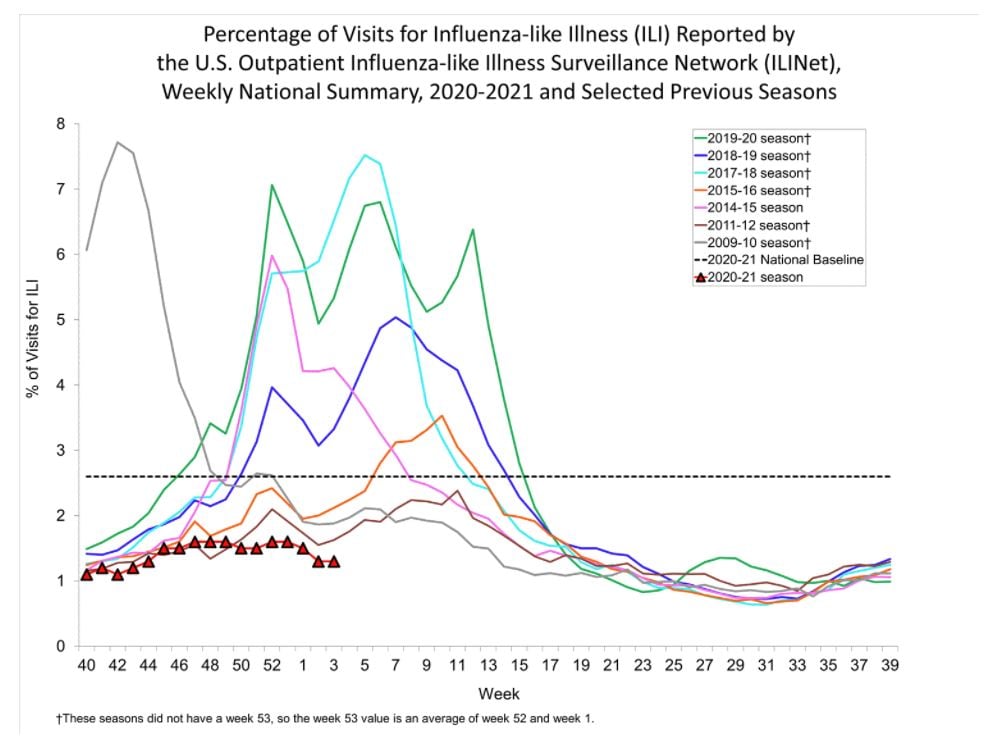
The number of flu cases in the US is at an all-time low this flu season.

The 2020 numbers are that line at the bottom with all the triangles.


Thursday, October 31, 2019

Glyphosate is everywhere

Global Research    April 27, 2019
As new studies continue to point to a direct link between the widely-used glyphosate herbicide and various forms of cancer, the agribusiness lobby fights ferociously to ignore or discredit evidence of human and other damage. A second US court jury case just ruled that Monsanto, now a part of the German Bayer AG, must pay $ 81 million in damages to plaintiff Edwin Hardeman who contracted non-Hodgkin’s lymphoma cancer. The ruling and a line-up of another 11,000 pending cases in US courts going after the effects of glyphosate, have hit Bayer AG hard with the company announcing several thousand layoffs as its stock price plunges.

In a trial in San Francisco the jury was unanimous in their verdict that Monsanto Roundup weed-killer, based on glyphosate, had been responsible for Hardeman’s cancer. His attorneys stated,
“It is clear from Monsanto’s actions that it does not care whether Roundup causes cancer, focusing instead on manipulating public opinion and undermining anyone who raises genuine and legitimate concerns about Roundup.” 
It is the second defeat for the lawyers of Monsanto after another jury ruled in 2018 that Glyphosate-based Roundup was responsible for the cancer illness of a California school grounds-keeper who contracted the same form of cancer after daily spraying school grounds with Roundup over years, unprotected. There a jury found Monsanto guilty of “malice and oppression” in that company executives, based on internal email discovery, knew that their glyphosate products could cause cancer and suppressed this information from the public.

A new independent study shows that those with highest exposure to glyphosate have a 41% increased risk of developing non-Hodgkin lymphoma (NHL) cancer. A meta-analysis of six studies containing nearly 65,000 participants looked at links between glyphosate-based herbicides and immune-suppression, endocrine disruption and genetic alterations. The authors found “the same key finding: exposure to GBHs (glyphosate-based herbicides) are associated with an increased risk of NHL (Non-Hodgkin’s Lymphoma).” Further, they stated that glyphosate “alters the gut microbiome,” and that that could “impact the immune system, promote chronic inflammation, and contribute to the susceptibility of invading pathogens.” Glyphosate also ”may act as an endocrine disrupting chemical because it has been found recently to alter sex hormone production” in both male and female rats.

In a long-term animal study by French scientists under Gilles Eric Seralini, Michael Antoniou and associates, it was demonstrated that even ultra-low levels of glyphosate herbicides cause non-alcoholic liver disease. The levels the rats were exposed to, per kg of body weight, were far lower than what is allowed in our food supply. According to the Mayo Clinic, today, after four decades or more pervasive use of glyphosate pesticides, 100 million, or 1 out of 3 Americans now have liver disease. These diagnoses are in some as young as 8 years old.

Saturday, November 17, 2018

More than a third of adults in the US will eat fast food

NY Times Oct. 22, 2018
More than a third of adults in the United States patronize fast-food restaurants and pizza parlors on any given day. And the higher their income, the more likely they are to do so.

The Centers for Disease Control and Prevention has released data on fast food consumption gathered from 2013 to 2016 in the National Health and Nutrition Examination Survey, or Nhanes, a program that continuously monitors the health and nutritional status of Americans.

The Nhanes analysis relies on physical examinations and in-person interviews to produce demographic, socioeconomic and health data, including dietary information from a representative sample of about 10,000 adults over the four years.

Fast food — defined broadly in the survey as any item obtained from a “fast food/pizza” establishment — is eaten by 37 percent of American adults at some point during the day.

Among those who eat fast food, 44 percent do so at lunch and 42 percent at dinner. Men are more likely to grab fast food at lunch; women are more likely to snack on it.

The most enthusiastic consumers are 20 to 39 years old: 45 percent of them eat fast food on any given day. That figure declines sharply with age, to 38 percent among people 40 to 59, and to 24 percent among those over age 60.

Thursday, September 27, 2018

No amount of alcohol is safe, health study warns

RT  25 Aug, 2018
Any and all alcohol consumption is bad for your health, according to a new global report from health experts, who are attempting to settle the drinking debate once and for all.
The report, published in The Lancet medical journal, claims to be the most comprehensive of its kind and goes against previous studies which have suggested a glass of red wine is equal to going to the gym, or that drinking alcohol makes you live longer.

Saturday, June 30, 2018

What if food was seen as a mechanism to prevent joint pain?

Collective Evolution  10 Jun 2018
A quick look at the average western diet presents an obvious truth when it comes to the state of wellness in the west; for the most part, we are eating ourselves sick.

Interestingly, how we combat the reality of our sick state is often disconnected from the reasons why we got sick in the first place; our diets. What if doctors prescribed dietary changes first before even looking at medication, especially if it's not needed? What if food was seen as a mechanism to prevent illness? I believe there is a growing body of people looking at our diets in this manner, but for the most part we're blind to the fact that our diet is likely one of the biggest contributors to why we are sick.

Of course emotions and our state of being is another huge factor, but let's start here for now.

A recent study found that a diet rich in acidic foods increases uric acid levels in the body, leading to conditions such as gout (form of arthritis), joint pain, and uric acid crystallization.

Wednesday, February 28, 2018

The more ultra-processed foods that we consume, the greater our risk of cancer, a long-term study shows.

RT   18 Feb, 2018
The more ultra-processed foods that we consume, the greater our risk of cancer, a long-term study shows.
For the first time, researchers have explored the link between cancer and ultra-processed foods, which include chicken nuggets, packaged cakes, ready meals, fizzy drinks, chocolate, instant noodles and reconstituted meat products. A team at the Universite Sorbonne Paris Cite published the study in the British Medical Journal (BMJ) on Wednesday. They found consuming ultra-processed food is associated with a higher risk of cancer.
The results showed that a 10 percent increase in the consumption of ultra-processed foods is associated with a 12 percent risk of overall cancer, and an 11 percent increased risk of breast cancer specifically.

Tuesday, February 13, 2018

First GMO rice from china just approved by FDA

As we reported last summer, Big Agri pulled some maneuvers and made major inroads in China despite major opposition from China’s people. Readers may be surprised to learn that Chinese citizens reject the notion of GMOs but they do. In fact, there is such a demand for organic there, that China is buying up arable land in other countries and trumpeting health campaigns to discourage meat and dairy consumption. Not only has this demand for better food caused food shortages there because of their issues with pollution, but it has also created a bevy of “fake organics” and questionable foods flooding other countries. Are we about to receive a flood of GM rice, too?

Now the FDA has essentially approved a product based on some data turned in by Chinese researchers. It did not conduct its own experiments. Although cultivation of this GM rice is not officially legal, the FDA stamp of approval was meant to set the ball rolling, and garner approval from other markets.

GlobalTimes.CN reports:
A genetically modified (GM) rice product developed by a group of Chinese scientists has acquired the US Food and Drug Administration (FDA) approval, the first such Chinese product allowed to enter the US market.
However, neither China nor the US has approved mass cultivation of the rice amid low acceptance from the Chinese public for GM food.
Huahui No.1 rice, developed by the Huazhong Agricultural University, is genetically engineered to resist a wide range of insects, thus reducing the use of pesticides.

Thursday, October 26, 2017

Stress could be just as harmful to the human body as a nutritionally poor diet.

Rdmag  10/17/2017
A diet full of junk food isn’t the only thing that can have a negative impact on the digestive system.
Researchers from Brigham Young University (BYU) found that stress could be just as harmful to the human body as a nutritionally poor diet.
The scientists discovered that when female mice were exposed to stress, their gut microbiota—the microorganisms vital to digestive and metabolic health—morphed to look like the mice had been eating a high-fat diet.
“Stress can be harmful in a lot of ways but this research is novel in that it ties stress to female-specific changes in the gut microbiota,” BYU professor of microbiology and molecular biology Laura Bridgewater said in a statement. “We sometimes think of stress as a purely psychological phenomenon but it causes distinct physical changes.”
The team performed an experiment on a large group of eight-week old mice and exposed half of the males and half of the females to a high-fat diet. After 16 weeks, all of the mice were exposed to mild stress over the course of 18 days.
Microbial DNA from the mice’s fecal pellets were extracted before and after the stress to test how the gut microbiota was impacted. They also measured mouse anxiety based on how much and where the mice traveled in an open field arena.
After analyzing the results, the researchers learned males on a high-fat diet exhibited more anxiety than females on the high-fat diet. Males on the high-fat diet also showed decreased activity in response to stress.
However, stress only caused the gut microbiota composition to shift in female mice as if they were on a high-fat diet.
“In society, women tend to have higher rates of depression and anxiety, which are linked to stress,” Bridgewater said. “This study suggests that a possible source of the gender discrepancy may be the different ways gut microbiota responds to stress in males vs. females.”
The study was published in Scientific Reports.  

Wednesday, October 4, 2017

Ten shocking facts about the vaccine industry that the mainstream media refuses to report

Image result for vaccine money
By Mike Adams
The mainstream media is largely funded by drug companies and vaccine manufacturers, exhibiting extreme conflicts of interest in their reporting. Perhaps that's why they refuse to report the following ten shocking facts about the vaccine industry that are all provably true.

FACT #1) Mercury is still used in vaccines, and the CDC openly admits it. There is NO safe level of mercury for injecting into a human child. Not even "trace" levels. There is NO evidence of safety for mercury at any dose whatsoever. Any doctor who says the level of mercury in a vaccine is "safe" to inject into a child is only demonstrating their outrageous ignorance of scientific facts.

Mercury is arguably the most neurotoxic element on the entire Table of Elements. It is used in vaccines for the convenience of the vaccine manufacturer at the expense of the safety of the child. Any doctor who injects mercury into a child -- at any dose! -- should be immediately stripped of their medical license.

See the list of studies on the neurotoxicity of mercury at SCIENCE.naturalnews.com, now the largest relational research resource for chemicals, health, nutrients and drugs:

http://science.naturalnews.com/M/Mercury_and...

Those study titles include:

Lactational exposure to inorganic mercury: evidence of Neurotoxic effects.

Neurotoxic action of inorganic Mercury injected in the intraventricular space of mouse cerebrum.

Neurotoxic effects in workers of the clinical thermometer manufacture plant.

Neurotoxic risk caused by stable and variable exposure to methylmercury from seafood.

Additional FACT: There is no "safe" form of mercury as is often ridiculously claimed by vaccine pushers. Both ethyl and methyl mercury are extremely toxic to the human nervous system. Neither should, under ANY circumstances, be deliberately injected into a human child at any dose whatsoever.

FACT #2) Injecting any substance into the human body makes it orders of magnitude more potentially toxic because it bypasses the protections of the digestive tract or the respiratory system. Injecting mercury into a human being -- at any dose -- should be globally condemned as a criminal act. That it is currently considered an acceptable act in the field of medicine only condemns the true destructive nature of modern medicine. Under the vaccine doctrine, "First do no harm" has become "Poison children for profit."

FACT #3) For decades, polio vaccines injected into tens of millions of people actually contained hidden cancer viruses (SV40 and others). This was openly admitted by a top Merck vaccine scientist named Hilleman. The CDC recently scrubbed its website of this information in a "revisionist history" purge. Up to 98 million Americans were exposed to hidden cancer viruses in polio vaccines. This is an historical fact. Read more at www.sv40foundation.org

FACT #4) Top virologists working for Merck have blown the whistle and gone public with shocking revelations that claim the company routinely fabricated lab results to claim a 95% efficacy rate of its mumps vaccine in order to continue receiving government contracts on a vaccine that didn't work.

See the False Claims document these scientists filed with the U.S. government here:
https://www.naturalnews.com/gallery/documents...

FACT #5) In nearly every outbreak you hear about these days, the majority of the children affected by the outbreak have already been vaccinated against the virus! For example, outbreaks of whooping cough routinely involve children who have already been vaccinated against whooping cough. This is yet more proof that vaccines do not confer real-world functional immunity.

FACT #6) The claimed history of vaccine "successes" against polio and other diseases is a pure fabrication. This is discussed and exposed in great detail in the powerful book, "Dissolving Illusions" by Dr. Suzanne Humphries. Click here to see the book at Amazon.com, or click here to visit the website (and view the charts).

As these charts show, measles was almost completely eradicated before the arrival of the measles vaccine. Why the decline? Mostly due to improvements in public hygiene and sanitation. It's no exaggeration to say that good plumbing saves more lives than vaccines ever did.

FACT #7) The vaccine industry refuses to conduct scientific tests on the health outcomes of vaccinated children vs. unvaccinated children. Why? Because these test would no doubt show unvaccinated children to be healthier, smarter and far better off than vaccinated children in terms of behavioral disorders, allergies and even autoimmune disorders. Check the people you know: Don't you routinely find that the most heavily-vaccinated kids are the ones who get sick all the time? Meanwhile, groups like the Amish who largely refuse to vaccinate their children have near-zero rates of autism.

FACT #8) The U.S. Supreme Court has already declared that the secret "vaccine court" is a higher power than the Supreme Court. The so-called "vaccine court" is granted extraordinary powers to operate utterly outside the Constitution, the Bill of Rights and completely outside the rules of due process and law.

The vaccine court itself -- which isn't even a court of law -- is a violation of law and a violation of basic human rights. It must be abolished like Apartheid.

FACT #9) The mainstream media receives a significant portion of its revenues from the very same drug companies selling vaccines. This financial influence results in the media refusing to cover stories about vaccine-damaged children for fear of losing advertising revenues.

This is why the mainstream media frequently features guests and authors who ridiculously claim that all the vaccine damaged children across America do not exist or are "mere delusions" of their parents. These despicable vaccine apologists are intellectual bullies who, like Hitler's minions, relish in aiding and abetting a real-life holocaust that's harming millions of children around the globe.

FACT #10) The CDC openly admits that vaccines contain additives which are known to be potent neurotoxic chemicals. Those additives include:

• Mercury (still used as a preservative)
• Aluminum (used as an inflammatory adjuvant)
• Formaldehyde (used to "deactivate" live viruses)
• MSG / Monosodium Glutamate (used to caused immune system inflammation)

All of these substances are toxic to human biology when injected. All of them are still listed on the CDC website as vaccine additives. There is no rational doctor or scientist in the world who can say they believe injecting infants and children with mercury, formaldehyde, MSG and aluminum is somehow "safe," yet doctors inject children with these substances every single day in the form of vaccines.

Doctors who inject children with vaccines are delusional. They are practicing a medical holocaust against humanity while fraudulently calling it "immunization." For the record, vaccination does not equal immunization. Click here to see the book of the same title.        Natural News

Saturday, September 30, 2017

Health professionals in Arizona are warning those traveling to Mexico to be aware of possible contaminated 7Up beverages


Related image

Marcella Baietto, Sept. 22, 2017 PHOENIX — Health professionals in Arizona are warning those traveling to Mexico to be aware of possible contaminated 7Up beverages in the Mexicali area.
The contaminated soft drinks caused seven people to become ill and has killed one person, according to the Attorney General of Justice of the State of Baja California.

Mexicali is located about 240 miles from Phoenix and 124 miles from San Diego, just south of the California border and Interstate 8.

According to a Banner Health news release, medical toxicologists and physicians are on alert after reports surfaced that methamphetamine was found in 7Up drinks originating in Mexicali.

Baja California's Health Department officials said health authorities have removed the products from shelves. 

Chris Barnes, spokesman for Dr Pepper Snapple Group, reassured that no 7Up products in the United States have been contaminated. The company distributes 7Up in the United States.

"None of the 7Up products sold in the U.S. are affected by the issue being reported in Mexico," said Barnes. "Dr Pepper Snapple owns and licenses the 7Up brand only in the U.S. and its territories. We do not market, sell or distribute the brand internationally."

The Baja attorney general's office announced on its Facebook page that an investigation is underway in order to figure out how the drug made its way into the soda.

Dr. Daniel Brooks at Banner Health cautioned anyone traveling to Mexico. 

“It is important to check that the seal for any food and drink consumed is still intact and shows no signs of tampering,” Brooks said. 

Some side effects of drinking contaminated sodas are burning of the esophagus and stomach, vomiting and a fast or irregular heartbeat, according to Banner Health.

In July, the U.S. State Department alerted travelers to Mexico about possible tainted or counterfeit alcohol that could cause sickness and blacking out.

That warning came in the wake of a Milwaukee Journal Sentinel investigation surrounding a Wisconsin woman’s death that raised questions about drinks being served in all-inclusive resorts in Mexico.                   USA Today

Saturday, May 20, 2017

10 signs you need more sleep


sleep deprived test
By Dr. Mercola    May 18, 2017
1. You Always Feel Hungry
Lack of sleep influences hormone levels, including increasing the "hunger hormone" ghrelin and decreasing leptin, which is involved in satiety. By activating your endocannabinoid system, which is involved in modulating appetite and food intake, sleep deprivation can even give you the munchies, similar to marijuana use.
2. You've Gained Weight
One of the consequences of eating more when you're sleep deprived is weight gain, although lack of sleep also promotes metabolic dysfunction that further fuels weight gain. Losing as little as 30 minutes of sleep each night can disrupt your metabolism enough to cause weight gain. In fact, each half-hour of sleep debt incurred during weeknights raised one study's participants' risk for obesity and insulin resistance by 17 percent and 39 percent respectively after one year.4
What this means is that if you need eight hours of sleep but consistently only get seven, you may theoretically raise your risk of obesity by about 34 percent and simultaneously jack up your chances of insulin resistance — which is a hallmark of most chronic diseases, including type 2 diabetes — by 78 percent.
3. Your Memory Fails You
The process of brain growth, or neuroplasticity, is believed to underlie your brain's capacity to control behavior, including learning and memory. However, sleep and sleep loss modify the expression of several genes and gene products that may be important for synaptic plasticity.
Furthermore, certain forms of long-term potentiation, a neural process associated with the laying down of learning and memory can be elicited in sleep, suggesting synaptic connections are strengthened while you slumber.
4. It's Difficult to Make Decisions
Sleep deprivation leads to accidents both big and small, some of which prove to be fatal, in part because it leads to blunted reaction times and difficulty making decisions. Participants in one study underwent two nights of total sleep deprivation followed by two nights of recovery sleep, then performed a decision-making test.5
A well-rested control group (who had slept normally) performed better on the tests than the sleep-deprived group, but, worse yet, when the test rules were reversed none of the sleep-deprived volunteers got the right answer, even after 40 tries, leading the study's lead author to state their ability to take in new information was "completely devastated."6
5. Your Reaction Time Slows
In the aforementioned study, the researchers concluded that sleep deprivation is particularly problematic for decision-making involving uncertainty and unexpected change. This leads to blunted reaction times that can have tragic consequences while you're driving or on the job.
6. You're Overly Emotional
Lack of sleep kicks your emotions into high gear, which means you're likely to overreact when expressing emotions like fear and anger. Your brain's frontal cortex, for instance, plays a key role in the regulation of emotions, and sleep is vital for its function. Not to mention that research shows even one night of too little sleep may lead to unwanted behavior at work the next day, such as acting rude toward co-workers, theft or going home early without notifying the boss.7
7. You're Always Getting Sick
Sleep deprivation has the same effect on your immune system as physical stress or illness,8 which may help explain why lack of sleep is tied to an increased risk of numerous chronic diseases and acute illnesses like colds and flu. In fact, research shows adults who sleep less than six hours a night have a four times higher risk of catching a cold when directly exposed to the virus than those who get at least seven hours.9
Sleeping less than five hours per night resulted in a 4.5 times higher risk. The study found that sleep was more important than any other factor when it came to protecting against the cold virus, including stress levels, age and smoking. In short, if you want your immune system to be at its best, adequate sleep is essential. The researchers, writing in the journal Sleep, explained:10
"Growing evidence demonstrates that short sleep duration (< 6 or 7 h/night) and poor sleep continuity are associated with the onset and development of a number of chronic illnesses, susceptibility to acute infectious illness, and premature mortality. Experimental evidence in animals and humans suggests that the immune system serves as a key biological pathway.
For instance, total and partial sleep deprivation in humans results in modulation of immune parameters critical to host resistance, including diminished T cell proliferation, shifts in T helper cell cytokine responses, decreases in natural killer (NK) cell cytotoxicity, and increased activation of proinflammatory pathways."
8. Your Vision Seems Unfocused
Even your vision is affected by lack of sleep. According to Health, when you're tired your ciliary muscle, which helps your eyes focus, will not work up to par and "the extraocular muscles, which move the eye from side to side and up and down, may start to track improperly, resulting in double vision."11 So, if you seem to be having trouble seeing after a night of little sleep, it's probably not in your imagination.
9. Your Physical Appearance Suffers
Lack of sleep affects your physical appearance significantly, in part because it alters your hormonal balance, which can lead to acne, and decreases collagen production, which may increase the appearance of wrinkles.
Further, one study took photos of 23 people with the same hairstyles, facial expressions and bare (no makeup) skin. The only difference between them was the amount of sleep they'd had—one group had a full night's sleep while the other group had been awake for 31 hours straight and then slept for just five hours.
Not surprisingly, when the photos were shown to a separate group of people, they rated the sleep-deprived group as less healthy, less attractive and more tired, suggesting that the idea of "beauty sleep" is not just a fairy tale.12
10. You Nod Off During the Day
You might be able to fool your body into believing you can function normally on little sleep, but as reported in the journal Sleep, as soon as you let your guard down, overwhelming sleepiness ensues.13 Your body will likely cave in to these episodes of "microsleeps" or nodding off, which can be tragic depending on your line of work or if you fall asleep while behind the wheel.
In a report released by the AAA Foundation for Traffic Safety, researchers compared driving drowsy to driving with a blood alcohol concentration considered legally drunk.14 Lack of sleep, even by one or two hours, nearly doubled study participants' risk of a car accident the following day. If sleep deprivation increased, with participants sleeping just four or five hours a night, their risk of a car crash quadrupled.15 According to the AAA Foundation for Traffic Safety:16

References:

Wednesday, February 8, 2017

Lifestyle Changes Now Proven to Effectively Treat Major Depression


Alex Pietrowski, February 4, 2017
More than 15 million Americans suffer from serious depression, and it is estimated that globally some 350 million people are struggling with the challenging mental disorder. While the causes of depression are varied and largely unidentifiable, since the 1950’s the pharmaceutical industry has been developing a broad range of antidepressants, and it now estimated that 8-10% of the American population is taking some type of antidepressants.
The problems with antidepressants are wide-ranging including addiction, costs, and a host of unfavorable side-effects including emotional numbness and even an increased risk of suicide. While antidepressants may very well help some people cope with the overwhelming effects of depression in the short-term, pharmaceutical treatments do not cure depression.

Pondering the reasons for such a major increase in depression in our society over the last couple of decades, many have speculated that a combination of lifestyle, social disconnectedness in a technologically advanced society, lack of exercise, environmental pollutants, and increased consumption of nutritionless and heavily processed foods are to blame. Yet, medical science has been slow to fully acknowledge and recommend lifestyle changes to patients, often preferring the recommendation of pharmaceuticals.
A world-first study, however, recently conducted by Deakin University in Australia has shown unequivocally that major depression can be conquered with the right dietary changes.
“We’ve known for some time that there is a clear association between the quality of people’s diets and their risk for depression. This is the case across countries, cultures and age groups, with healthy diets associated with reduced risk, and unhealthy diets associated with increased risk for depression. However, this is the first randomised controlled trial to directly test whether improving diet quality can actually treat clinical depression.” ~Professor Felice Jacka, Director of Deakin’s Food and Mood Centre
The study looked at adults with major depression, evaluating their progress with specific dietary changes over a three-month period, revealing the types of foods which help the most.
“The dietary group received information and assistance to improve the quality of their current diets, with a focus on increasing the consumption of vegetables, fruits, wholegrains, legumes, fish, lean red meats, olive oil and nuts, while reducing their consumption of unhealthy ‘extras’ foods, such as sweets, refined cereals, fried food, fast-food, processed meats and sugary drinks.” [Source]       Read more

Tuesday, December 27, 2016

Social-media may put you at increased risk of depression and anxiety.

Jason Zook started every morning by scrolling through Twitter, Instagram, Vine, his blog and Facebook. It started to have an effect on the 33-year-old entrepreneur’s mental health. The San Diego resident was stressed, distracted and feeling like he could never fulfill the expectations he created in his digital world, where he amassed more than 33,000 followers.
“You start your day looking at yourself compared to other people,” he says. “You feel behind, and you have other people’s opinions pressed upon you before you have a chance to have your own.”
So he went cold turkey, going on a 30-day social-media detox. It was a smart move: A recent study from the University of Pittsburgh’s Center for Research on Media, Technology, and Health found that using multiple social-media platforms may put you at increased risk of depression and anxiety.
‘People compare themselves to the posts they see, and then feel inadequate.’
The study found that people who use anywhere from seven to 10 social-media platforms are three times more likely to be depressed or anxious, compared to those using no more than two. Those who reported such symptoms were overwhelmed by the multitasking needed to manage their profiles — and the more profiles they had, the more the pressure added up.
Though it’s on the high end, maintaining seven social-media profiles is possible with the bevy of options available to users today.
“People compare themselves to the posts they see, and then feel inadequate,” says Nicole Amesbury, head of clinical development at online-therapy company Talkspace. “Another reason is biology-based. Each time they open [a social media app] and see a positive response, they get a small amount of dopamine released in the brain . . . When someone doesn’t get enough ‘likes’ or dopamine hits, they feel the loss.”
Social-media consultant and Queens resident Josh Springer, 35, recommends limiting usage to three platforms.
Still, for Zook, the break was much needed.
“[After 30 days], my head felt like it just cleared, like the fog lifted,” he says. “I had all this mental space back.”          NY Post

Monday, December 12, 2016

Scientist Exposes Corruption in Cancer and Vaccine Industries

girl-fainting-from-gardasil
By Brian Shilhavy Health Impact News December 12, 2016
Dr. Mahin Khatami has written a scathing commentary on the HPV vaccine that was published this month (December 2016) in the journal Clinical and Translational Medicine. The title is: “Safety concerns and hidden agenda behind HPV vaccines: another generation of drug-dependent society?”
Dr. Khatami’s bio is quite extensive, and as a retired professor and former program director at both the National Institutes of Health (NIH) and National Cancer Institute (NCI), her criticisms of both the cancer and vaccine industries cannot easily be written off as the work of a “quack,” which is the standard response from the medical industry who seeks to discredit anyone who does not tow the party line.
Dr. Mahin Khatami was born in Tehran-Iran. She immigrated to USA in 1969 after training in Chemistry (BS) and Science Education (MS). She received her MA in Biochemistry from SUNY at Buffalo (1977) and PhD in Molecular Biology from the University of Pennsylvania (UPA, 1980). Her postdoctoral trainings were in physiology at the University of Virginia, protein chemistry (proteomics) at the Fox Chase Cancer Institute and UPA.
She was a Faculty of Medicine at the Department of Ophthalmology, Scheie Eye Institute, UPA, until 1992. In collaboration with a team of scientists, under the direction of John H. Rockey, MD, PhD, at UPA, she quickly earned her supervisory responsibilities on two major projects; cell and molecular biology of diabetic retinopathy/maculopathy and experimental models of acute and chronic ocular inflammatory diseases.
In her junior academic career, Dr. Khatami is considered the most productive scientist in USA as she published 39 scientific articles and over 60 abstracts in conference proceedings in the first decade of her research.
In 1998, at the National Cancer Institute (NCI), the National Institutes of Health (NIH), she was a Program Director and health scientist administrator, involved in developing molecular concepts for utilization of patient biospecimen for large clinical trials such as Prostate-Lung-Colorectal Ovarian (PLCO) Cancer Screening Trials.
Extension of her earlier ‘accidental’ discoveries on models of inflammatory diseases became closely relevant to her duties for developing proposals for molecular diagnosis, prevention and therapy of cancer for PLCO and designs of cohort clinical trials.
The results of her pioneering studies in 1980’s on experimental models of inflammatory diseases are suggestive of the first evidence for a direct link between inflammation and tumorigenesis and angiogenesis. She also published the first report on inflammation-induced developmental phases of immune dysfunction that would lead to tumor development.
In 2005, she also published an NCI-Invention, in Federal Register for standardizing cancer biomarkers criteria (data elements) as a foundation of developing a cancer biomarkers database; M-CSF, an inflammatory mediator was identified as prototype to test/tailor data elements.
Her challenging efforts to promote the role of inflammation in cancer research, which initially met with tremendous resistance by decision makers, have recently paid off as the number of federally funded projects, technologies and drug development and related networks that focus on the role of inflammation and cancer has significantly increased in the last decade within and outside NCI/NIH.
Dr. Khatami has lectured internationally; served as president and VP for Graduate Women In Science (GWIS) Omicron Chapter; scientific judge; founder and president of Medical Education Technologies (HUS); consultant to pharmaceutical companies; member of professional societies and editorial activities; symposia organizer.
She is Associate Editor for Cell Biochemistry and Biophysics, lecturer, author and editor. Before retiring at professor level from NCI/NIH in 2009, her position was Program Director (IMAT) and Assistant Director for Technology Program Development, Office of Technology and Industrial Relations, Office of the Director, NCI/NIH. (Source.)     Health News

Tuesday, July 12, 2016

Is Your Heart Being Electromagnetically Distorted by Microwave Radiation?


Is your Heart being Electromagnetically Distorted by Microwave Radiation

By Benjamin Nowland
The Power of the Heart
Your heart produces an electromagnetic field 5000 times as powerful as that produced by your brain.[1] This field projects from your physical body to contribute to the circumvent field or aura. 60–65 % of heart cells are neural cells connected to the central nervous system and brain and concomitant with the amygdala, thalamus, hippocampus and cortex.[2]
One way the heart communicates with the brain and the rest of the body is ‘energetically’. If the electromagnetic energetics of the heart are altered so are the resultant communication signals. In fact, heart transplant recipients often show a different personality post-operation, literally having a ‘change in heart’.
The metaphysical phenomena of chakras has also been scientifically verified. In one test visible light was generated from the heart chakra. [3]
The heart is a dynamic, non-linear harmonic oscillator.[4] The heart’s pacemaker cells are biological oscillators that generate an electric field. Simultaneously the heart produces a magnetic field which forms a pattern similar to a standard magnet.[5] This electromagnetic field is a constantly shifting spectrum of frequencies with vast amounts of information contained in each frequency. This field is torus shaped (pictured above), just like the energy field of all living organisms, including the cells of our body, plants and the earth. And, as with a holograph, each segment of the heart’s field holds all information for the whole field.[6]

Entrainment

As a non-linear oscillator, the heart is extremely sensitive to disturbance of its dynamic equilibrium. Heart cells entrain (or synchronise) to beat in unison with adjacent cells.[7] Entrainment occurs in-utero and during infancy. The field of an infant is entrained through the mother’s electromagnetic field. This is the basis for the developmental psychology understanding of the impact of the mother’s emotional state during pregnancy and postnatal period. Depending whether a mother experiences protracted fear or love during pregnancy, her electromagnetic field entrains the vibrational energy field of her child accordingly.
However, as adults our unique signature field can also be entrained — see Frustrated Partner Equivalent below. Today, with increased exposure to microwave radiation (especially from wireless communication technology), we are now overlaid with electromagnetic fields at levels often millions of times higher than two decades ago, which is unnaturally distorting our energy field. With thermal effect limits in place that allow microwave power density levels up to the point of cooking flesh, evidence suggests at least 3–5% of us are experiencing serious symptoms of microwave exposure [8] and 35% of us may be experiencing milder symptoms.[9]
So, if for no apparent reason your health is feeling ‘off’, consider whether microwave radiation exposure may be a contributing environmental factor.
Along with radiation power density levels, the shape of radiation is an important factor for human health. Microwave transmissions can be in the form of pulsed modulated linear-synthetic waveforms [on/off rectangles] which are vastly different to the non-linear fields of our body-mind, which are also found throughout Nature. Exposure to these forms of microwave radiation therefore has a disruptive effect on the body and its electromagnetic field. For instance a decade ago when communications technologies transitioned from 2G (GSM) to 3G (UTMS), scientific research suggested that “UMTS is ten times more damaging to the genes than GSM radiation.”[10] Current 4G (LTE) technology was launched prior to any studies on its physical/energetic effects.
“The heart’s field not only permeates every cell in the body but also radiates outside of us… Just as cell phones and radio stations transmit information via an electromagnetic field, recent research has led some scientists to propose that a similar information transfer process occurs via the electromagnetic field produced by the heart… [which] can be measured up to 10 feet away.”[12]

Radiation Pollution Sickness — The Four E’s

Symptoms of radiation pollution sickness — including anxiety, irritability, insomnia and headaches — may all be examined from the perspective of energy field discordance. Again, if you are suffering from these symptoms, consider whether microwave radiation exposure may be a contributing factor.
When it comes to factors that lead to symptoms of radiation pollution sickness (electromagnetic hypersensitivity), I talk about the four E’s:
  1. Empathic factors: A naturally sensitive constitution. (On the flipside sensitivity is a gift.)
  2. Exposure factors: Cumulative chronic and acute episodes ‘add up’ to leave us more susceptible to physical decline.
  3. Environmental factors: Multiple toxicity factors including mould, chemicals and bacterial infections compound the effects of exposure.
  4. Emotional factors: Anxiety, stress and trauma induce the cellular stress response, thus it becomes more difficult for our cells to oxygenate and detoxify the effects of microwave pollution.[11]

Frustrated Partner Equivalent

You are at home and you hear the door opening. Before your partner enters, you know he has had a bad day. Your ‘antennas’ (energy field through the aura and heart especially) picks up his transmission. If your field is weak (low amplitude) it may entrain to the ‘frustration field’ of your partner. Soon the shared field is one of discordance and arguments. I call this phenomenon ‘psychic pollution’. When we pick up the incoherent electromagnetic field of our partner, our emotional state is influenced.
Microwave antenna towers can be considered frustrated partner equivalents. They generate incoherent waveforms at multiple frequencies (overlaying to generate noise). We receive and process these electromagnetic fields in the same way we receive and process (or interact with) the electromagnetic field of our partner.
Is Your Heart Being Electromagnetically Distorted by Microwave Radiation 1
Disease or disease that was about to develop shows on our unique signature field as jagged incoherent waveforms concentrated in the low and high frequency bands. ‘Deficiency pattern’ diseases such as cancer and chronic fatigue syndrome showed up as incoherent patterns in the high frequencies. ‘Hyperactive pattern’ conditions such as hypertension and skin problems showed as incoherence at low frequencies.[13]

Solutions

Internal
Wellness begins in the energy field! Continue seeking to optimise inner health and harmony (deep happiness) and the result will be a strengthened personal energy field that is less susceptible to entrainment from psychic and electromagnetic pollution. Rather than ‘protect’, focus on the question: “Do I want to take on these energies or do I now decide to radiate my own energies?” Reinforce your decision: “I now decide to radiate my own energies.”[14]
Observe your tendency to want a ‘magic pill’, a device or pendant. You do not need a $400 device claiming to ‘protect’ you from radiation. A mindset shift is required. Your passage with radiation pollution sickness (mild to severe symptoms) is a unique opportunity for inner transformation. Based on experimentation and research, I do not recommend spending thousands of dollars on products, as I did. Follow your inner guidance. Occasionally we are drawn to something intuitively (versus coming from a place of desperation). After trialling many products my preferred support came from a couple of $10 crystals. They were not used to ‘protect’ me from radiation pollution but rather to aid the internal processing of a vibrational stage of my journey (a few months only). Focus on inner health and skip the products unless they really call you.
External 
What if your family switched off all Wi-Fi and other emitting devices and from 8pm to 8am each day? Can you hardwire your internet connection at work, and at home? Can you use an air tube headset with your cell phone, or use the speaker function? (This article offers a number of ideas to help you protect yourself from laptop radiation: How to Protect Yourself from Laptop Radiation.)
If you are very ill, an immediate radiation detox is essential.[15] This may require an upheaval of your life. Seek to see the gifts in the changes you need to make and what initially may feel like a ‘loss of freedom’.
For information on radiation detox, please see the following articles:
Without Action, Nothing Will Change
As you regain your health you may ask “How can I give back to the consciousness shift I have chosen to be part of?” You will be ‘microwave savvy’ by now, so how can you share your new insights and take action at family, school and community levels? In a visual-sense dominated world, even a five minute chat about your experience with invisible microwave radiation pollution can create a shift in others. Say thanks – I wrote the book Playing GOD: Biological and Spiritual Effects of Electromagnetic Radiation partly to say ‘Thank you for the unique new messages I received on this topic, and here are many of them to assist others on their journey.’
This is a crucial year to demand telcos turn down the ‘volume’ on the antenna tower in your suburb, reject smart meters and share awareness on the topic with local council, state and federal parliamentarians, school parent and teacher groups and friends. We are asking the Australian Medical Association and the Australian Radiation Protection and Nuclear Safety Agency — “the federal government agency charged with responsibility for protecting the health and safety of people, and the environment, from the harmful effects of ionising and non-ionising radiation”[16] — to reduce limits by 100 times as an immediate action – with more to follow. Currently there is no recognition of electromagnetic radiation as a contributing environmental factor in illness, so you will likely be derided by your doctor if you bring it up! Via a change.org petition we are seeking a core knowledge upgrade for medical doctors including:
  1. Cumulative effects: Studies have shown cumulative microwave exposure causes a slowdown of subject work function (behavioral decline) and then eventually a complete failure to respond.[17]
  2. Chronic illness: Studies of cultures show pathological organisms dominate when exposed to electromagnetic radiation. The ‘mystery’ illnesses such as Lyme-like infections and Ricketts for instance are linked to electromagnetic radiation toxicity. Studies show mould generates far more toxicity when radiation exposed.
  3. Genotoxicity: Research shows genotoxicity occurs at minute exposure levels potentially leading to altered cellular function, cancer and cell death.[18]
  4. Electromagnetic hypersensitivity has similarities with multiple chemical sensitivity, relating to underlying changes of the nervous system.
I’ve offered to guide doctors to the next level of understanding on this topic and have so far met (mostly) resistance, however alternative health practitioners are embracing new concepts. Change is afoot. Can you talk to a group of doctors and health practitioners in your town?
References:
  1. D Childre and H Martin, The HeartMath Solution, 2000, Harper San Francisco, p.33
B Nowland, Playing GOD Biological and Spiritual Effects of Electromagnetic Radiation, Fontaine Press, 2015, p. 132.B Nowland, p. 87.
  1. SH Buhner, The Secret Teachings of Plants: The Intelligence of the Heart in the Direct Perception of Nature, Bear and Company, 2004, p. 82. (referencing R McCraty)
B Nowland, p. 87.
  1. N Ozaniec, Chakras – A Beginners Guide, Hodder and Stoughton, 1999, p. ix.
B Nowland, p. 85.
  1. SH Buhner, p. 84.
  2. , p. 86.
  3. , p. 87.
  4. SH Buhner, p. 90.
  5. Electromagnetic Hypersensitivity Public Hearing, European Economic and Social Committee, Brussels, Belgium, 4 November 2014, viewed 23 December 2014, http://www.eesc.europa.eu/?i=portal.en.events-and-activities-electromagnetic-hypersensitivity.
  6. Electrosensitivity UK News, vol. 11, no. 2, July 2013, viewed 23 December 2014, http://www.es-uk.info/attachments/article/9/esuknewsJun13b2.pdf.
Austrian Medical Association Guidelines for Diagnosing and Treating Patients with Electrohypersensitivity, Consensus paper of the Austrian Medical Association’s EMF Working Group, 3 March 2012.
B Nowland, p. 55.
  1. F Adlkofer, Verum-Foundation Press Release, 6 October 2007, viewed 2 December 2014, http://www.next-up.org/pdf/PressReleaseConcernPrFranzAdelkoferVerumFoundation06102007.pdf
B Nowland, p. 99.
  1. B Nowland, p. 17 – 19.
  2. D Childre and H Martin, p.33.
B Nowland, p. 88.
  1. VV Hunt interview with S Barber, ‘The Promise of Bioenergy Fields and the End to All Disease’, The Spirit of Maat, vol.2, 2000, viewed 12 January 2014, http://www.spiritofmaat.com/archive/nov1/vh.htm
B Nowland, p. 89.
  1. B Nowland, p. 143.
  2. B Nowland, p. 142.
  3. B Nowland, p. 152.
  4. B Nowland, Reduce Microwave Radiation (Antenna Towers, Wi-Fi, mobile devices) Exposure Limits by a Factor of 100, https://www.change.org/p/prof-brian-owler-president-australian-medical-association-reduce-microwave-radiation-antenna-tower-exposure-limits-by-a-factor-of-100
  5. Nowland, Reduce Microwave Radiation (Antenna Towers, Wi-Fi, mobile devices) Exposure Limits by a Factor of 100, https://www.change.org/p/prof-brian-owler-president-australian-medical-association-reduce-microwave-radiation-antenna-tower-exposure-limits-by-a-factor-of-100 
  6. Wake Up

Monday, June 6, 2016

Medicine That Kills


Posted on June 1, 2016 by Jason in Gary Null Show, Health Care, Media
American science and public health is the finest in the world, with the smartest people working with the latest technologies to prevent and cure disease. We are exceptional.
That is a common belief held by several million people working within the medical industrial complex. The problem is, it’s untrue. In fact, it’s just the opposite.  American medicine kills more people unnecessarily than any other national medical system in the industrialized world. As Harvard School of Medicine professor Lucian Leape noted, American medicine kills 3 jumbo jets-worth of patients every 48 hours.(1)
In this series we review the startling science which suggests that deaths from medical error in the US may be conservatively estimated at 400,000 annually, while severe injuries from medical error may top 10,000,000.(2,3)  This equates to 8 million deaths and 200,000,000 severe injuries due to modern medical medicine during the past twenty years. It is higher than the casualties from any single conflict or war in American history.
American citizens should be alarmed that no federal effort is being made to prevent or reverse this growing trend.  What does this reveal about the medical establishment today?  What does it tell us about the level of training and competency of numerous qualified physicians, nurses, dentists, nutritionists, hospitals and scientists?  And more so, what can be said about the integrity of pharmaceutical companies, the federal health agencies and their thousands of employees that keep the medical machine running? And then what about the roles of mainstream media, universities and professional institutions and foundations and the so-called medical experts who are supposed to represent the highest standards of scientific ethics? Finally, what can be said about the tens of millions of Americans who are complacent and buy into this all-pervading establishment?
In retrospect, the nation suffers from severe cognitive dissonance and lives in denial about health standards and disease. American medicine feeds upon corruption, greed, malfeasance and self-serving interests. However, many prominent, respected medical voices have identified these problems and spoken out against them. This group includes Harvard professor and former editor of the prestigious New England Journal of Medicine Dr. Marcia Angell, former FDA Associate Director for Science and Medicine Dr. David Graham and the CDC’s senior epidemiologist Dr. William Thompson.
For decades independent journalists have exposed the impropriety of the medical industrial complex. Here is a list of just some of the groundbreaking independent investigative reporting exposing the corruption of mainstream medicine:
Deadly Medicines and Organised Crime: How Big Pharma Has Corrupted Healthcare- by Peter C. Gøtzsche,
The Truth About the Drug Companies: How They Deceive Us and What to Do About It by Marcia Angell MD
Prozac Nation by Elizabeth Wurtzel
Pharmageddon by David Healy
Doctors Are Gods: Corruption and Unethical Practices in the Medical Profession by David Jacobsen
The Big Fix: How the Pharmaceutical Industry Rips Off American Consumers by Katharine Greider
Overdosed America by John Abramson
Mad in America By Robert Whitaker
Betrayal of Trust : The Collapse of Global Public Health by Laurie Garret
I’m Dancing as Fast as I Can by Barbara Gordon
Racketeering in Medicine: The Suppression of Alternatives  by James Carter
Bad Pharma by Ben Goldacre
White Coat, Black Hat: Adventures on the Dark Side of Medicine by Carl Elliot
These authors may be opinion leaders but they are not policymakers. Policymakers are so firmly in embedded into medicine’s controlled establishment that they are able to withstand the exposés and whistleblowers who bring their negligence and failures to public attention. Negative media, scandals, crimes of science don’t injure their careers nor their professional standings.
There are many hundreds of original in-depth investigative reports, including my own Death by Medicine, which required over 5 years of intensive research by five physicians and doctorates. I have released many award-winning documentaries such as Death by Medicine, War on Health, Prescription for Disaster, Silent Epidemic, Autism: Made in the USA and others. Yet what is the cumulative impact of all this investigative reporting upon current federal health policies and regulation? ZERO.
The US spends more money on domestic healthcare than any other country in the world. Grants and funding have been funnelled to millions of people, including over 900,000 physicians and nurses, hundreds of hospitals, pharmaceutical and medical technology companies, but the end-product is never thoroughly reviewed and assessed for viable success. Therefore, what incentive is provided to institute change if only medical failures are rewarded?
Has anyone ever heard of a physician or hospital refunding a patient’s care after medical error resulted in his or her death? And yet the public and media have the temerity to praise this medical paradigm’s leaders as heroes who are fighting the good fight against cancer, or AIDS or Alzheimer’s and diabetes, without ever questioning whether or not the entire paradigm might be flawed?
Unfortunately today’s medical establishment and its leaders won’t change. It’s too large to change.  There are too many vested interests and capitalizing on projected revenues is too entrenched into the system’s modus operandi. However, this doesn’t mean that we as individuals cannot change. Harvard Medical School’s Marcia Angell observed,
“Similar conflicts of interest and biases exist in virtually every field of medicine, particularly those that rely heavily on drugs or devices. It is simply no longer possible to believe much of the clinical research that is published, or to rely on the judgment of trusted physicians or authoritative medical guidelines. I take no pleasure in this conclusion, which I reached slowly and reluctantly over my two decades as an editor of The New England Journal of Medicine.”
“The United States is the only advanced country that permits the pharmaceutical industry to charge exactly what the market will bear, whatever it wants”
“The pharmaceutical industry likes to depict itself as a research-based industry, as the source of innovative drugs. Nothing could be further from the truth. This is their incredible PR and their nerve.”
In January 2016 federal multidistrict litigation commenced against Pfizer over its hugely popular cholesterol-lowering drug, Lipitor. After a 2012 study found the statin drug increased type 2 diabetes risks by 50 percent among postmenopausal women, Pfizer stands accused of not providing adequate warning about Lipitor’s life-threatening adverse effects.(4)  Thousands of personal injury lawsuits have been filed across the country by patients alleging they were harmed by the drug.
Lipitor was launched in 1996 and is the most successful medication in pharmaceutical history with sales over $131 billion. Predictably, financial settlements from the lawsuits will amount to a pittance of the drug’s overall revenues.
Pfizer has knowingly put millions of patients’ health and lives at risk; nevertheless, following a settlement Pfizer’s business returned to normal.  Nothing fundamentally changed and the corporation’s revenues simply increased. Since the revelation of the diabetes link, the company has continued to earn billions on Lipitor sales and no one is being held accountable.  More egregious is that nobody in the mainstream media speaks about the numerous scandals that plague the medical-industrial complex and its consistent bottom line to prioritize profit over health.
There is a serious emergency when federal regulatory agencies continue to approve medications, drugs and vaccines with numerous harmful and sometimes lethal side effects. Increasingly the FDA and CDC act as their own critics. Neither is the government blind to its own deficiencies in healthcare delivery. The Institute of Medicine (IOM), a part of the United States National Academy of Sciences, states:
“Healthcare in the United States is not as safe as it should be. . . . Among the problems that commonly occur during the course of providing healthcare are adverse drug events and improper transfusions, surgical injuries and wrong-site surgery, suicides, restraint- related injuries or death, falls, burns, pressure ulcers, and mistaken patient identities [all of which exact] their cost in human lives.” (5)
The IOM refers to “the nation’s epidemic of medical errors.” A large percent of these errors are related to adverse drug events (ADEs). An ADE is a broad term used to describe harm caused by medical intervention related to drugs, whereas an adverse drug reaction (ADR) involves injury caused by a medication prescribed at a normal dose. The FDA states that “ADRs are one of the leading causes of morbidity and mortality in healthcare.”(6) Dr. Curt Furburg published an article in the Archives of Internal Medicine proposing sweeping changes throughout the FDA.  Furburg and his colleagues write, “We see eight major problems with the current system of assessment and assurance of drug safety at the FDA.” A fundamental problem is the FDA’s initial review for drug approval that often fails to detect serious ADRs: “A study by the US General Accountability Office (GAO) concluded that 51% of all approved drugs had at least one serious ADR that was not recognized during the approval process.”(7)
Seeing the Bigger Picture
Until recently, public health researchers could cite only isolated statistics to make their case about the high risks of conventional medicine. No one had ever analyzed and compiled all the published literature dealing with injuries and deaths directly associated with federally protected medical practice.
Over a decade ago, several medical researchers and I spent years meticulously reviewing the statistical evidence regarding iatrogenic injury and death—that is, those conditions and deaths induced inadvertently by a physician or surgeon or by a medical treatment or diagnostic procedure. Our conclusions were shocking.
Our most stunning analysis was that the total number of deaths caused by conventional medicine is more than 700,000 per year, making the American medical system itself the leading cause of death and injury in the US. The statistics present a grim reality for the American patient. In contrast, the purported leading causes of death in the United States today, heart disease and cancer, are responsible for 611,105 and 584,881 annual deaths, respectively. (8)  But has there been any improvement in the last 10 years since our figures were revealed to the world? Hardly.
In 2013, John James, PhD. published an article in the Journal of Patient Safety examining the prevalence of iatrogenic death in America. James concluded that more than 400,000 patients die in hospitals each year due to preventable harm. (9) He also stated that “serious harm seems to be 10- to 20-fold more common than lethal harm.” (10) In other words, anywhere between 4 million and 8 million Americans are seriously harmed during hospital admissions annually.
In a recent 2016 report, co-authors Dr. Martin Makary and Dr. Michael Daniel at Johns Hopkins University School of Medicine estimated that over 250,000 deaths occur each year due to modern medicine’s errors. (11) However, the authors concede that the actual figure is far greater because their statistics only account for hospital deaths and not outpatient or nursing home settings. During an interview, Dr. Makary pointed out that death certificates do not reflect medical error. (12) He went on to state that “Incidence rates for deaths directly attributable to medical care gone awry haven’t been recognized in any standardized method for collecting national statistics… The medical coding system was designed to maximize billing for physician services, not to collect national health statistics, as it is currently being used.” (13)
Since population studies on iatrogenic deaths are sorely inadequate, it is reasonable to project an accurate mortality rate that surpasses the 797,926 figure we arrived at over a decade ago. In addition, a 2010 study showed that the frequency of ADEs (fatal and otherwise) has steadily trended upwards over the past years.(14) Nor does research into medical errors in nursing homes reflect improvement in patient safety. A 2009 study found serious discrepancies in the administration of medications for nearly 3 out of 4 admissions in nursing facilities. (15) In another study that evaluated assisted living facilities in South Carolina, healthcare staff committed errors in the preparation and administration of medication over 40% of the time. (16)
Given these astounding figures, it’s only right to ask how is it possible that our regulatory agencies have failed to address our costly nationwide epidemic of medical errors. To begin our search for answers we will turn our attention to the FDA, its astonishingly shoddy science and disturbing corruption that plagues America’s leading federal health agency.
Blowing the Whistle on Bad Medicine: Dr. David Graham
We decided to publish this information to call attention to the failure of the American medical system. By exposing the gruesome statistics, a basis may be established that might encourage competent and compassionate medical professionals to recognize the inadequacies of today’s medical establishment and begin to institute progressive reforms. One such professional is Dr. David Graham, whose testimony before Congress provides an important context for our discussion.
On November 18, 2004, Dr. David Graham, a former Associate Director for Science and Medicine in the FDA’s Office of Drug Safety, testified before the US Senate. Dr. Graham graduated from the Johns Hopkins University School of Medicine, and trained in Internal Medicine at Yale and in adult Neurology at the University of Pennsylvania. (17)  His education and extensive experience qualify his expert opinion on the failures of pharmaceutical drugs.
Dr. Graham told the Senate:
During my career, I believe I have made a real difference for the cause of patient safety. My research and efforts within FDA led to the with- drawal from the US market of Omniflox, an antibiotic that caused hemolytic anemia; Rezulin, a diabetes drug that caused acute liver failure; Fen-Phen and Redux, weight loss drugs that caused heart valve injury; and PPA (phenylpropanolamine), an over- the-counter decongestant and weight loss product that caused hemorrhagic stroke in young women.
My research also led to the withdrawal from outpatient use of Trovan, an antibiotic that caused acute liver failure and death. I also contributed to the team effort that led to the withdrawal of Lotronex, a drug for irritable bowel syndrome that causes ischemic colitis; Baycol, a cholesterol-lowering drug that caused severe muscle injury, kidney failure and death; Seldane, an antihistamine that caused heart arrhythmias and death; and Propulsid, a drug for night-time heartburn that caused heart arrhythmias and death. . . .
I have done extensive work concerning the issue of pregnancy exposure to Accutane, a drug that is used to treat acne but can cause birth defects in some children who are exposed in utero if their mothers take the drug during the first trimester. During my career, I have recommended the market withdrawal of twelve drugs. Only two of these remain on the market today—Accutane and Arava, a drug for the treatment of rheumatoid arthritis that I and a co-worker believe causes an unacceptably high risk of acute liver failure and death. (18)
The Los Angeles Times reported that witnesses told the Senate panel that Merck & Co. and the FDA knowingly had data well before the approval and licensure of Merck’s Vioxx® painkiller that proved the drug’s serious cardiovascular health risks. Nevertheless, the FDA granted it approval without resolving the risks, and Vioxx® was aggressively.(19)
Testifying about Merck’s Vioxx®, Dr. Graham states:
Today . . . you, we, are faced with what may be the single greatest drug safety catastrophe in the history of this country or the history of the world. We are talking about a catastrophe that I strongly believe could have, should have been largely or completely avoided. But it wasn’t, and over 100,000 Americans have paid dearly for this failure. In my opinion, the FDA has let the American people down, and sadly, betrayed a public trust. (20)
According to Dr. Graham. “Not only did the FDA ignore known risks from Vioxx® and related drugs but . . . it tried to prevent Graham and others from publicizing their own research that proved the extent of these risks.”(21)
Graham’s concerns were echoed by some members of Congress who heard his testimony. Committee Chairman Charles E. Grassley (R–Iowa) said he was concerned that the FDA “has a relationship with drug companies that is too cozy.”(22)  Sen. Jeff Bingaman (D–New Mexico) said the problem was within the FDA’s own culture.“ This culture has been described as one whereby the pharmaceutical industry, which the FDA is mandated to regulate, is seen by the FDA as its client instead.(23)
In Graham’s view, drug safety problems began in 1992 with the passage of a law aimed at getting lifesaving drugs onto the market faster. In order to increase the FDA approval process, the law forced pharmaceutical companies to pay for most of the review process’ costs.  That left the FDA “captured by industry,” says Graham. “He who pays the piper calls the tune.” (24)
The American Society of Health-System Pharmacists reports that Graham testified “in February [2007] that, had it not been for the protection of Sen. Charles Grassley (R–Iowa), FDA would have fired him for publicly speaking out about his concerns about Vioxx® and other drugs.” (25)
Dr. Graham says, “ You need to weed the garden patch of drugs that aren’t doing what they’re supposed to do. The FDA has not been very good about that; it likes to cultivate all these weeds.”(26)  Dr. Graham “named five other drugs whose safety is suspect, and noted that ‘the FDA as currently configured is incapable of protecting America against another Vioxx®.’” (27) Many media sources present at the hearing, such as the Los Angeles Times and Medscape Medical News, (28) report that Graham then added, “ We are virtually defenseless,”(29)  but this sentence does not appear in the final transcript and may have been stricken from the record.
One report begins, “The American public is ‘virtually defenseless’ if another medication such as Vioxx® proves to be unsafe after it is approved for sale, a government drug safety reviewer told a congressional committee.”(30)
Medicine Today: As Dangerous as Ever
A decade has passed since Dr. Graham’s public statements exposing the dangerous bad science and corruption and that infests the FDA. It’s difficult to imagine that such public exposure hasn’t forced the agency to clean up its act, but the evidence clearly shows that our government health officials would rather support pharmaceutical profiteering than the health and safety and American citizens.
The FDA’s questionable operations were put under the spotlight in a 2015 article appearing in JAMA Internal Medicine titled “ Research Misconduct Identified by the US Food and Drug Administration Out of Sight, Out of Mind, Out of the Peer-Reviewed Literature,.” The article is a sobering assessment of the scale of scientific fraud and deception carried out by the FDA. Author Charles Seife of New York University examined the nature of the FDA’s inspection of various drug trials on human participants between 1998 and 2013.
The investigation’s results were stunning:
Fifty-seven published clinical trials were identified for which an FDA inspection of a trial site had found significant evidence of 1 or more of the following problems: falsification or submission of false information, 22 trials (39%); problems with adverse events reporting, 14 trials (25%); protocol violations, 42 trials (74%); inadequate or inaccurate recordkeeping, 35 trials (61%); failure to protect the safety of patients and/or issues with oversight or informed consent, 30 trials (53%); and violations not otherwise categorized, 20 trials (35%). Only 3 of the 78 publications (4%) that resulted from trials in which the FDA found significant violations mentioned the objectionable conditions or practices found during the inspection. No corrections, retractions, expressions of concern, or other comments acknowledging the key issues identified by the inspection were subsequently published. (31)
These disturbing data suggest that the FDA’s evaluation of pharmaceuticals for safety and efficacy may be so flawed that only 4% of all trial results are identified as such. As a result, FDA scientists and officials responsible for approving drugs to the market are kept largely uninformed about the egregious scientific misconduct involved in obtaining study data. Further, these erroneous and fraudulent studies are published in peer-reviewed scientific literature and accepted as valid science
Seife commented on the FDA’s staggering scientific impropriety in an article he composed for Slate:
RECORD 4 was one of four large clinical trials that involved thousands of patients who were recruited at scores of clinical sites in more than a dozen countries around the world. The trial was used as evidence that a new anti-blood-clotting agent, rivaroxaban, was safe and effective. The FDA inspected or had access to external audits of 16 of the RECORD 4 sites. The trial was a fiasco. At Dr. Craig Loucks’ site in Colorado, the FDA found falsified data. At Dr. Ricardo Esquivel’s site in Mexico, there was “systematic discarding of medical records” that made it impossible to tell whether the study drug was given to the patients. At half of the sites that drew FDA scrutiny—eight out of 16—there was misconduct, fraud, fishy behavior, or other practices so objectionable that the data had to be thrown out. The problems were so bad and so widespread that, contrary to its usual practice, the FDA declared the entire study to be “unreliable.” Yet if you look in the medical journals, the results from RECORD 4 sit quietly in The Lancet without any hint in the literature about falsification, misconduct, or chaos behind the scenes. This means that physicians around the world are basing life-and-death medical decisions on a study that the FDA knows is simply not credible. (32)
How are we supposed to have faith in a medical establishment that is responsible for the injury and death of thousands of Americans daily? How else does modern medicine exploit illness for profit and what lies at the root of this corrupt system? In the next article, we will uncover more about modern medicine’s deadly repercussions in the lives of millions of American people.
Endnotes:
  1. Leape, L. L. 1994. Error in medicine. JAMA, 272 (23):1851–7.
  2. James, John T. “A New, Evidence-based Estimate of Patient Harms Associated with Hospital Care.” Journal of Patient Safety 9, no. 3 (September 9, 2013): 122-28. Accessed May 9, 2016. doi:10.1097/pts.0b013e3182948a69.
  3. Cha, Ariana Eunjung. “Researchers: Medical Errors Now Third Leading Cause of Death in United States.” Washington Post. May 3, 2016. Accessed May 11, 2016. https://www.washingtonpost.com/news/to-your-health/wp/2016/05/03/researchers-medical-errors-now-third-leading-cause-of-death-in-united-states/.
  4. Culver AL, Ockene IS, Balasubramanian R, et al. Statin Use and Risk of Diabetes Mellitus in Postmenopausal Women in the Women’s Health Initiative. Arch Intern Med. 2012;172(2):144-152. doi:10.1001/archinternmed.2011.625.
  5. Institute of Medicine, US National Academy of Sciences. November 1999. To Err Is Human: Building a Safer Health System. http://www.iom. edu/Object.File/Master/4/117/ToErr-8pager. pdf (accessed January 25, 2009).
  6. Center for Drug Evaluation and Research. U.S. Food and Drug Administration. Preventable Adverse Drug Reactions: A Focus on Drug Interactions. Last updated July 31, 2002. http:// www.fda.gov/cder/drug/drugReactions/default. htm#ADRs:%20Prevalence%20and%20Inci- dence (accessed January 25, 2009).
  7. Furberg, C. D., A. A. Levin, P. A. Gross, R. S. Shapiro, and B. L. Strom. 2006. The FDA and drug safety: a proposal for sweeping changes. Arch Intern Med 166 (18):1938–42.
  8. Nichols, Hannah. “Public Health Heart Disease Cancer / Oncology Stroke The Top 10 Leading Causes of Death in the US.” Medical News Today. September 21, 2015. Accessed April 21, 2016. http://www.medicalnewstoday.com/articles/282929.php.
  9. James, John T. “A New, Evidence-based Estimate of Patient Harms Associated with Hospital Care.” Journal of Patient Safety 9, no. 3 (September 9, 2013): 122-28. Accessed May 9, 2016. doi:10.1097/pts.0b013e3182948a69.
  10. Ibid
  11. Makary MA, Daniel M. BMJ. 2016 May 3;353:i2139. doi: 10.1136/bmj.i2139.
  12. Johns Hopkins Medicine. “Medical errors now third leading cause of death in United States.” ScienceDaily. ScienceDaily, 4 May 2016. <www.sciencedaily.com/releases/2016/05/160504085309.htm>.
  13. Ibid
  14. Bourgeois, Florence T., Michael W. Shannon, Clarissa Valim, and Kenneth D. Mandl. “Adverse Drug Events in the Outpatient Setting: An 11-year National Analysis.” Pharmacoepidemiology and Drug Safety Pharmacoepidem. Drug Safe. 19, no. 9 (September 19, 2010): 901-10. doi:10.1002/pds.1984.
  15. Tjia, J., Bonner, A., Briesacher, B. A., McGee, S., Terrill, E., & Miller, K. (2009). Medication Discrepancies upon Hospital to Skilled Nursing Facility Transitions. Journal of General Internal Medicine, 24(5), 630–635. http://doi.org/10.1007/s11606-009-0948-2
  16. Zimmerman S ; Love K ; Sloane PD; et al. Medication administration errors in assisted living: scope, characteristics, and the importance of staff training. J Am Geriatr Soc. 2011; 59: 1060-1068
  17. US Senate Finance Committee. Testimony of David J. Graham, MD, MPH, November 18, 2004. http://finance.senate.gov/hearings/ testimony/2004test/111804dgtest.pdf (accessed January 30, 2009).
  18. Ibid
  19. Alonso-Zaldivar, R., FDA Called ‘Defenseless’ Against Unsafe Drugs, Los Angeles Times, November 18, 2004. http://www.mcall.com/topic/ la-111804vioxx_lat,0,7473253.story (accessed January 31, 2009).
  20. US Senate Finance Committee. Testimony of David J. Graham, MD, MPH, November 18, 2004. http://finance.senate.gov/hearings/ testimony/2004test/111804dgtest.pdf (accessed January 30, 2009).
  21. National Coalition Against Censorship. FDA Suppressed Vioxx Studies Despite Evidence of Seri- ous Health Risks, November 25, 2004. http:// www.ncac.org/FDA_Suppressed_Vioxx_Studies (accessed January 30, 2009).
  22. Alonso-Zaldivar, R., “FDA Called ‘Defense- less’ Against Unsafe Drugs,” Los Angeles Times, November 18, 2004. http://www.mcall.com/ topic/la-111804vioxx_lat,0,7473253.story (accessed January 31, 2009).
  23. Ibid
  24. Yale Medicine. FDA’s top safety critic keeps a watchful eye on the public good, Summer 2005. References • 169 170 •Gary Null, PhD, et al. http://yalemedicine.yale.edu/ym_su05/faces. html (accessed January 31, 2009).
  25. Young, D., Safety Experts Call for Accountability from FDA, Drug Firms. American Society of Health-System Pharmacists, March 23, 2007. http://www.ashp.org/import/News/HealthSys- temPharmacyNews/newsarticle.aspx?id=2503 (accessed January 31, 2009).
  26. Loudon, Manette, interviewer. The FDA Exposed: An Interview With Dr. David Graham, the Vioxx Whistleblower, parts of this interview appear in Gary Null’s documentary film, Pre- scription for Disaster, Garynull.com, August 30, 2005, reprinted by Natural News. http://www. naturalnews.com/011401.html (accessed Janu- ary 31, 2009).
  27. US Senate Finance Committee. Testimony of David J. Graham, MD, MPH, November 18, 2004. http://finance.senate.gov/hearings/ testimony/2004test/111804dgtest.pdf (accessed January 30, 2009).
  28. Yale Medicine. FDA’s top safety critic keeps a watchful eye on the public good, Summer 2005. http://yalemedicine.yale.edu/ym_su05/faces. html (accessed January 31, 2009).
  29. Alonso-Zaldivar, R., FDA Called ‘Defense- less’ Against Unsafe Drugs, Los Angeles Times, November 18, 2004. http://www.mcall.com/ topic/la-111804vioxx_lat,0,7473253.story (accessed January 31, 2009).
  30. Kelly, J. Harsh criticism lobbed at FDA in Senate Vioxx hearing, Medscape Medical News, November 23, 2004. http://medgenmed.medscape. com/viewarticle/538021_print (accessed January 31, 2009).
  31. Seife C. Research Misconduct Identified by the US Food and Drug Administration: Out of Sight, Out of Mind, Out of the Peer-Reviewed Literature. JAMA Intern Med. 2015;175(4):567-577. doi:10.1001/jamainternmed.2014.7774.
  32. Seife, Charles. “The Food and Drug Administration Covers Up Evidence of Fraud, Fabrication, and Scientific Misconduct.” Slate Magazine. February 09, 2015. Accessed April 22, 2016. http://www.slate.com/articles/health_and_science/science/2015/02/fda_inspections_fraud_fabrication_and_scientific_misconduct_are_hidden_from.html.
Supplemental Statistics on Iatrogenic Death in the United States excerpted from Death By Medicine
As shown in Table 1, the estimated total number of iatrogenic deaths—that is, deaths induced inadvertently by a physician or surgeon or by medical treatment or diagnostic procedures—in the US annually is at least 581,926. It is evident that the American medical system is itself the leading cause of death and injury in the US. By comparison, approximately 652,091 Americans died of heart disease in 2005, while 559,312 died of cancer.(45) The mortality costs alone exceed $215 billion a year. “Healthcare costs in the United States are growing at an unsustainable rate,” according to former Senator Ron Wyden, who serves on the Senate’s Finance Committee, Subcommittee on Healthcare.(46)
The National Coalition on Healthcare reports that annual healthcare spending in the US has been increasing two to five times the rate of inflation since 2000.(47) In 2006, Americans spent more than $2.2 trillion on healthcare.(48) Total healthcare spending was $2.4 trillion in both 2007 and 2008, or $7,900 per person, which represented 17 percent of the gross domestic product (GDP).(70) That’s about 4.3 times the amount spent on national defense.(71) The total was projected to reach $3.1 trillion in 2012.(72) The National Coalition on Healthcare further states:It is estimated that we have spent as a nation nearly 16 trillion dollars on healthcare since 2000, but this expenditure has not resulted in demonstrably better quality of care or better patient satisfaction compared to other nations.(73)
Jason Lazarou, MSc, estimated 106,000 annual drug errors in his groundbreaking 1998 report in the Journal of the American Medical Association(74) the Institute of Medicine esti-
mated 98,000 annual medical errors. But if we use Dr. Lucian L. Leape’s 1997 medical and drug error rate of 3 million(75) multiplied by the 14% fatality rate he used in 1994,76 we find that the number of deaths would be increased by 216,000, for a total of 797,926 deaths annually as shown in Table 2.
References:
  1. Lazarou, J., B. H. Pomeranz, and P. N. Corey. 1998. Incidence of adverse drug reactions in hospitalized patients: a meta- analysis of prospective studies. JAMA 279 (15):1200–5.
  2. Suh, D. C., B. S. Woodall, S. K. Shin, and E. R. Hermes-De Santis. 2000. Clinical and economic impact of adverse drug reactions in hospitalized patients. Ann Pharmacother 34 (12):1373–9.
  3. Center for Drug Evaluation and Research. U.S. Food and Drug Administration. Preventable Adverse Drug Reactions: A Focus on Drug Inter-
actions. Last updated July 31, 2002. http:// www.fda.gov/cder/drug/drugReactions/default. htm#ADRs:%20Prevalence%20and%20Inci- dence (accessed January 25, 2009).
  1. Institute of Medicine, US National Academy of Sciences. November 1999. To Err Is Human: Building a Safer Health System. http://www.iom. edu/Object.File/Master/4/117/ToErr8pager. pdf (accessed January 25, 2009).
  2. Thomas,E.J.,D.M.Studdert,H.R.Burstin,E. J. Orav, T. Zeena, E. J. Williams, K. M. Howard, P. C. Weiler, and T. A. Brennan. 2000. Incidence and types of adverse events and negligent care in Utah and Colorado. Med Care 38 (3):261–71.
  3. Thomas, E. J., D. M. Studdert, J. P. Newhouse, B. I. Zbar, K. M. Howard, E. J. Williams, and T. A. Brennan. 1999. Costs of medical injuries in Utah and Colorado. Inquiry 36 (3):255–64.
  4. Xakellis, G. C., R. Frantz, and A. Lewis. 1995. Cost of pressure ulcer prevention in long-term care. J Am Geriatr Soc 43 (5):496–501.
  5. Barczak, C. A., R. I. Barnett, E. J. Childs, and L. M. Bosley. 1997. Fourth national pressure ulcer prevalence survey. Adv Wound Care 10 (4):18–26.
57 Health Grades Quality Study, Patient Safety in American Hospitals, July 2004. http:// www.healthgrades.com/media/english/pdf/ hg_patient_safety_study_final.pdf (accessed March 3, 2009).
References • 175
176 •
Gary Null, PhD, et al.
  1. Centers for Disease Control and Prevention. Estimates of Healthcare-Associated Infections, last modified May 30, 2007. http://www.cdc. gov/ncidod/dhqp/hai.html (accessed January 24, 2009).
  2. Weinstein, R. A. 1998. Nosocomial infection update. Emerg Infect Dis 4 (3):416–20.
  3. Fourth Decennial International Conference on Nosocomial and Healthcare-Associated Infections. Morbidity and Mortality Weekly Report. February 25, 2000, Vol. 49, No. 7, p. 138.
  4. Starfield, B. 2000. Is US health really the best in the world? JAMA 284 (4):483–5.
  5. Nursing Home Residents Dying of Hunger, Thirst. Consumer Affairs, November 29, 2004. http://www.consumeraffairs.com/news04/ nursing_home_neglect.html (accessed March 4, 2009).
  6. Starfield, B. 2000. Deficiencies in US medical care. JAMA 284 (17):2184–5.
  7. Weingart, S. N., L. Wilson R. Mc, R. W. Gibberd, and B. Harrison. 2000. Epidemiology of medical error. West J Med 172 (6):390–3.
  8. Siu, A. L., W. G. Manning, and B. Benjamin. 1990. Patient, provider and hospital characteristics associated with inappropriate hospitalization. Am J Public Health 80 (10):1253–6.
  9. Thomas, E. J., D. M. Studdert, J. P. Newhouse, B. I. Zbar, K. M. Howard, E. J. Williams, and T. A. Brennan. 1999. Costs of medical injuries in Utah and Colorado. Inquiry 36 (3):255–64.
  10. Available at: http://www.ahrq.gov/news/ ress/ pr2003/injurypr.htm. (Accessed May 22, 2006).
  11. Leape LL.Unnecessary surgery.Health Serv Res. 1989 Aug; 24(3):351–407.
  12. NationalCoalitiononHealthCare.HealthInsur- ance Costs: Facts on the Cost of Health Insurance and Health Care, NCHC, 2009. http:// www.nchc.org/facts/cost.shtml (accessed Jan- uary 28, 2009).
  13. NationalCoalitiononHealthCare.“DidYouKnow?” section of home page of NCHC, 2009. http://www. nchc.org/ (accessed January 27, 2009).
  14. National Coalition on Health Care. Health Insurance Costs: Facts on the Cost of Health Insurance and Health Care, NCHC, 2009. http://www.nchc. org/facts/cost.shtml (accessed January 28, 2009).
  15. NationalCoalitiononHealthCare.“DidYouKnow?” section of home page of NCHC, 2009. http://www. nchc.org/ (accessed January 27, 2009).
  16. Lazarou, J., B. H. Pomeranz, and P. N. Corey. 1998. Incidence of adverse drug reactions in hospitalized patients: a meta-analysis of prospective studies. JAMA 279 (15):1200–5.
  17. National Patient Safety Foundation. Nationwide poll on patient safety: 100 million Americans see medical mistakes directly touching them [press release]. McLean, VA: October 9, 1997.
  18. Leape, L. L. 1994. Error in medicine. JAMA 272 (23):1851–7.
  19. National Patient Safety Foundation. Nationwide poll on patient safety: 100 million Americans see
References • 177
78 • Gary Null, PhD, et al. medical mistakes directly touching them [press release]. McLean, VA: October 9, 1997.
  1. Ibid.
  2. Xakellis, G. C., R. Frantz, and A. Lewis. 1995. Cost of pressure ulcer prevention in long-term care. J Am Geriatr Soc 43 (5):496–501.
  3. Barczak, C. A., R. I. Barnett, E. J. Childs, and L. M. Bosley. 1997. Fourth national pressure ulcer prevalence survey. Adv Wound Care 10 (4):18–26.
  4. Centers for Disease Control and Prevention. Estimates of Healthcare-Associated Infections, last modified May 30, 2007. http://www.cdc. gov/ncidod/dhqp/hai.html (accessed January 24, 2009).
  5. Health Grades Quality Study, Patient Safety in American Hospitals, July 2004. http://www. healthgrades.com/media/english/pdf/hg_ patient_safety_study_final.pdf (accessed March 3, 2009).
  6. Weinstein, R. A. 1998. Nosocomial infection update. Emerg Infect Dis 4 (3):416–20.
  7. Fourth Decennial International Conference on Nosocomial and Healthcare-Associated Infections. Morbidity and Mortality Weekly Report. February 25, 2000, Vol. 49, No. 7, p. 138.
  8. Available at: http://www.cmwf.org/programs/ elders/burger_mal_386.asp. (accessed May 22, 2006).
  9. Starfield, B. 2000. Is US health really the best in the world? JAMA 284 (4):483–5.
  10. Starfield, B. 2000. Deficiencies in US medical care. JAMA 284 (17):2184–5.
  11. Weingart, S. N., L. Wilson R. Mc, R. W. Gibberd, and B. Harrison. 2000. Epidemiology of medical error. West J Med 172 (6):390–3.
  12. Available at: http://www.ahrq.gov/data/ hcup/ hcupnet.htm. (accessed May 22, 2006).
  13. Available at: http://www.ahrq.gov/news/ ress/ pr2003/injurypr.htm. (Accessed May 22, 2006).
  14. Leape LL.Unnecessary surgery. Health Serv Res. 1989 Aug;24(3):351–407.
  15. Peck, P. Patient safety requires fundamental changes to medical systems. Medscape Medi- cal News, 6 May 2004. http://www.medscape. com/viewarticle/475217 (accessed January 28, 2009).       PRN