Showing posts with label Plants. Show all posts

Wednesday, July 31, 2019

The benefits of plant based ingredients


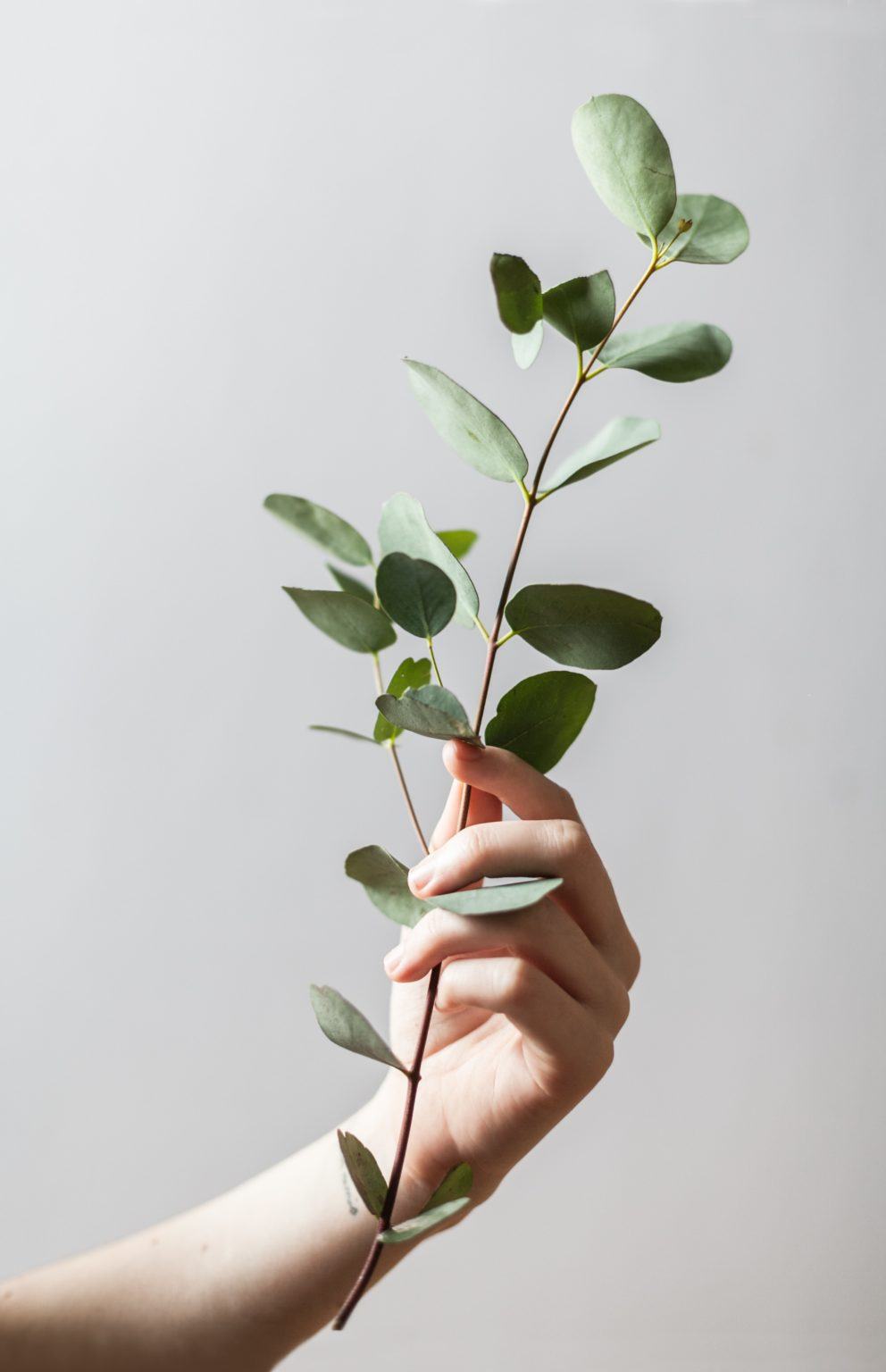
hand holding green sprout

We’ve all heard to avoid harmful chemicals when it comes to skincare—but what are the benefits of botanicals, and how can you include them in your daily routine?

It’s everywhere. The notion of swapping out toxic chemicals has permeated the entire consumer goods industry, ranging from beauty products to mattresses, and everything in between.

But with this increased awareness of what’s in the products we use every day, comes an even greater responsibility for consumers to be able to decipher the ingredient list on their labels. Many synthetic organic chemicals and their replacements are disguised within hard-to-pronounce words like “dibutyl phthalate” and “propylparaben”—and we’ve heard the advice to avoid the ingredients we don’t recognize. So what should we be looking for in our products?

Enter plant-based ingredients.
You’ve likely heard of plant-based botanicals, and it’s no secret that herbalism and nature-based products are trending. But it’s when we dig a little deeper and begin to uncover the benefits of plant-based ingredients that we’re able to begin to cultivate a holistic lifestyle that lasts. When we understand the “why” behind the choices we make, they become even more powerful.

Tuesday, April 30, 2019

Can Dandelions Actually Kill Cancer Cells?


Image result for dandelion

Getholistichealth Apr 14, 2019
Here in North America it seems as though we have become obsessed with the idea of having a lush, perfectly green yard to show off to our neighbours. But what we likely don’t realize is that we could be killing off something that has not only some amazing medicinal uses, but also the potential to kill cancer cells.

Researchers from the University of Windsor, Canada have been given over $200,000 in grant money to perform an elaborate study on the effects of using dandelion roots to treat cancer.
The leaves, flowers, and roots of dandelions have long been used in traditional medicine to treat digestive issues and urinary tract infections, and also to cleanse the liver. The dandelion is actually loaded with vitamins and minerals such as: A, C, D, E and B complex, calcium, potassium, magnesium, iron, zinc, manganese, copper, choline, and boron. I think it is safe to say that dandelion tea is actually a superfood.

Can Dandelions Actually Kill Cancer Cells?

Previous lab results have shown that the use of dandelion tea on leukaemia cells have caused the cancer cells to destroy themselves, which is known as apoptosis. A highly concentrated dandelion root formula has successfully been able to kill leukaemia, melanoma, and pancreatic cancer cells in lab mice.
Dr. Siyaram Pandey, a biochemist at the University of Windsor, has been studying the anti-cancer properties of dandelion root extract for over two years. He began his research after being approached by oncologist Dr. Caroline Hamm; she was curious about the benefit of dandelion root after witnessing several cancer patients improving after drinking the tea.

Friday, January 25, 2019

Scientists Verify Elderberry Beats the Flu, Prevents Colds & Strengthens Immunity

Healty Food  
Scientists have discovered that elderberry has been known to man since the prehistoric era, and elderberry recipes were commonly used as natural medicines in ancient Egypt.
Hippocrates, the “father of medicine” from ancient Greece depicted it as his “medicine chest” because of its numerous health benefits.
The elderberry juice has been used as hair dye by the Romans, and the wood of the elderberry tree has been used to make combs, toys, pegs for shoemakers,  needles for weaving musical instruments, and skewers for butchers. The Native Americans used this plant as a natural cure, body paint, ink, for jewelry and musical instruments, hunting whistles, and much more.
During the 1995 Panama flu epidemic, the government used it as a natural way to fight the flu, and it reduced its severity and thus helped to end the epidemic. 
Elderberry is native to Africa, Europe, and parts of Asia. Sambucus is a genus of flowering plants in the family Adoxaceae, and the berries and flowers are powerful natural medicines. The plant has deciduous leaves, white flowers (elderflowers) and berries that turn from green to red to black as they ripen.
Other common names for Sambucus nigra are European elder, European elderberry, black elder, and European black elderberry. The flowers contain 0.3 percent of an essential oil composed of free fatty acids and alkanes, and the fruit contains rutin, quercetin, kaempferol, phenolic acids, and anthocyanins. Elderberry is also high in flavonoids, which are powerful antioxidants that prevent cellular damages, as well as anthocyanidins, chemical compounds which have immunostimulant effects.
Elderberries are rich in iron and potassium, vitamins A, C, B6, and other nutrients. The raw berries are made up of 80 percent water, 18 percent carbohydrates, and less than 1 percent each of protein and fat.
This powerful plant effectively fights inflammation in the body, relieves nerve pain, treats the flu and colds, cures sinus issues, soothes allergies, and treats constipation.
This amazing plant is richer in flavonoids than blueberries, cranberries, goji berries, and blackberries, and here are some of its health benefits:

1. Cold and Flu Relief
Elderberries boost the immune system, due to the presence of chemical compounds known as anthocyanidins, which have potent immunostimulant effects. Elderberry extract is one of the safest and most powerful treatments for both cold and flu symptoms.
Scientists have conducted numerous studies which have confirmed the strong effects of the elderberry extract in the treatment and control of influenza symptoms. 

2. Sinus Infection Aid
The strong anti-inflammatory and antioxidant properties help sinus issues in a natural way. Swiss scientists have evaluated the effects of a proprietary product, Sinupret, which contains elderberry flowers, in the treatment of bacterial sinusitis in a combination with an antibiotic (doxycycline or Vibramycin) and a decongestant, and found that it boosted the effects of the medications.

3. Lowers Blood Sugar
The berry and the flower have been used as a diabetes cure for centuries. The elderflower extract has been found to stimulate glucose metabolism and the secretion of insulin, and thus decreases blood sugar levels.

4. Eases Allergies
The flowers of the elder plant are a powerful herbal allergy remedy, as this plant fortifies the immune system, and soothes inflammation. It cleanses the liver and eliminates toxins as well, and herbalists claim that it also treats hay fever-like symptoms.

5. Natural Diuretic
This plant has powerful diuretic properties, so it effectively fights water retention.

6. Natural Laxative
Elderberry fights constipation, since it acts as a natural laxative, and stimulates healthy bowel movements.

7. Encourages Healthy Skin
Elderberry is often added to numerous cosmetic products, as it is rich in antioxidants, vitamin A, and bioflavonoids, that improve the healthy appearance of the skin, prevent premature aging and provide a healthy skin glow. 
You can buy elderberry online or in the nearest local health store. You can consume it in the form of juice, tea, jelly and jams, wine, in ointments, as powder, syrups, pills, lozenges, sprays, and capsules.
The elderberry syrup is the best way to treat the flu, colds, and upper respiratory issues, so here is how to prepare it:

Homemade Elderberry Syrup
Ingredients:
  • 2 cups organic dried elderberries
  • 1 tablespoon fresh or dried organic ginger root
  • 1 teaspoon organic cinnamon powder or 1 cinnamon stick
  • 3.5 cups cold water
  • 1 cup raw honey
Instructions:
In a saucepan, pour the water, and add the elderberries, cinnamon, and ginger. Boil the syrup, lower the heat, and leave to simmer for 45 minutes, covered.  Then, remove the saucepan from heat, mash the berries, and strain through a strainer or cheesecloth into a glass bowl. Sweeten with honey, and pour the syrup in a sterilized glass container.

Sources:
[1] http://altmedicine.about.com/od/herbsupplementguide/a/The-Scoop-On-Anthocyanins.htm
[2] http://www.biomedcentral.com/1472-6882/11/16
[3] http://naturalsociety.com/black-elderberry-natural-cold-flu-treatment/#ixzz3GpeYllBD
[4] http://www.biomedcentral.com/1472-6882/11/16
[5] http://www.ncbi.nlm.nih.gov/pubmed/15080016
[6] http://gnowfglins.com/2013/12/02/make-your-own-elderberry-tincture/
[7] http://www.progressivehealth.com/elderberry-helps-prevent-colds-flu.htm#A_Systematic_Review_of_Past_Studies
[8] http://wellnessmama.com/5913/elderberries-herb-profile/

The 16 Best Healing Herbs


Related image
Wake Up
There are many different healing herbs, and they all provide different benefits. This list includes some of the most well-known and time-honored healing herbs.

1. Ashwagandha

Ashwagandha (Withania somnifera), also called rennet, Indian ginseng, and winter cherry, has a long history in Ayurvedic medicine. It’s readily available in supplement form, and studies suggest it offers many benefits to both men and women. Ashwagandha supports fertility, memory, and a happy mood. It promotes normal blood sugar and cholesterol, and it helps ease systemic redness and swelling.[1, 2, 3, 4, 5, 6, 7] One of the most common uses for ashwagandha is to help ease symptoms of menopause. In a study of 51 women, not only was ashwagandha reported to ease mental stress, but it was also found to lessen hot flashes.[8]

2. Black Cohosh

Black cohosh (Cimicifuga racemosa) is another popular healing herb that women use to ease menopause symptoms. It won’t stop the process of menopause, which is a normal and natural part of aging, but women who take black cohosh may find relief from hot flashes, night sweats, vertigo, and irritability.
Some studies found that black cohosh helped menopause symptoms, while others reported that it did not affect them. Comparisons between studies are challenging because they all used different serving sizes of black cohosh. Regardless, research indicates that the herb is generally safe to use.[9] It’s most commonly available in a liquid extract or capsule, but you can also find black cohosh as an ingredient in teas that are marketed to women.

3. Chasteberry

Chasteberry (Vitex agnus-castus), sometimes called chaste tree berry, is another healing herb for women’s health. Try chasteberry to relieve premenstrual syndrome (PMS) symptoms.[10] You can make a tea from dried chasteberries, or take an extract or capsule.
More than 50 percent of women who took chasteberry extract for three menstrual cycles reported fewer PMS symptoms, including breast discomfort. Traditionally, nursing mothers have used chasteberry to promote normal breastmilk production, but the research has yet to fully confirm that benefit.

4. Echinacea

Echinacea, also known as purple coneflower, has a long history in herbalism. Native Americans used it for everything from snakebites to colic, and it won modern fame as a natural remedy for seasonal colds. Many people grow echinacea for its glorious purple blooms. The dried flowerhead and buds can be used for tea or made into extracts.
Echinacea is full of antioxidants which protect your cells against damage from free radicals. On top of its well-known role as an immune system booster, studies suggest echinacea may also ease swelling, encourage healthy cell growth, promote normal blood oxygen levels, boost oral health, keep skin looking young, and even improve mood.[11, 12]

5. Dandelion

If you think dandelion is just a common weed, think again. Traditionally, people used it for liver and digestion issues.[13] Dandelion boosts urine production, thus promoting normal urinary tract health. Steep dried dandelion leaves to make a liver cleansing tea. You can also add dandelion leaves to salads for a delicious flavor boost. Because dandelion contains high levels of vitamin A, some people make a homemade dandelion salve to nourish and moisturize their skin and soothe sore muscles.

6. Neem

People use nearly every part of the neem tree in herbal remedies, including its seeds, flowers, bark, and leaves. Research shows it helps swelling, infections, dental issues, and fever. Neem’s fatty acids, vitamins, and antioxidants make it a powerful solution for skin conditions when it’s made into a salve, oil, or lotion. A review of studies found that neem also boosts the immune system, eases systemic redness and swelling, resists harmful organisms, promotes normal blood sugar, and encourages healthy cell proliferation.[14]

7. Aloe Vera

Aloe vera gel, which contains at least 75 nutrients, is best known for its role in soothing sunburns, but that’s not its only healing property.[15] Putting the gel on your skin helps wounds heal more quickly, lessens scarring, and reduces redness and swelling. Consuming aloe vera boosts the immune system, fights harmful organisms, and relieves occasional constipation.
Avoid whole-leaf aloe or aloe products that have high levels of aloin, which is harsh on the digestive system. Aloe Fuzion by Global Healing Center is certified organic and contains the most bio-available, 200x potency aloe vera. Unlike other aloe supplements, it’s aloin-free and can provide gentle relief without acting like a harsh laxative.

8. Ginseng

Traditional Chinese Medicine has used ginseng root for centuries. There are a few types of ginseng, including Korean ginseng (Panax ginseng), American ginseng (Panax quinquefolium), and Tienchi ginseng (Panax notoginseng), and they each offer unique benefits.
Korean and Tienchi ginseng are adaptogens that help the body adapt to stress. Korean ginseng helps energy levels, sexual function, and brain health.[16,17,18] Tienchi ginseng stimulates blood flow, provides energy, and improves physical endurance.[19] American ginseng promotes normal blood sugar levels.[20] The best ginseng supplements combine the different types of ginseng.

9. Peppermint

Sometimes called “the world’s oldest medicine,” peppermint and its main component, menthol, are found in chewing gum, toothpaste, soap, herbal tea, and various foods. Historically, people used peppermint to ease a sour stomach and the accompanying gas. Modern studies indicate it may normalize digestive symptoms from irritable bowel syndrome (IBS). But, the humble peppermint leaf has many other uses, such as supporting respiratory health, boosting liver function, and relaxing tension headaches.[21, 22]

10. Passionflower

Feeling a little moody lately? Insomnia, anxiety, nerves, and ADHD all bring down your mood. Passionflower (Passiflora incarnata) may help lift it back up. It’s known as a natural folk remedy for anxiety.[23] Research suggests that passionflower can help promote a happy, balanced mood without negative side effects, such as impairing work performance.[23] There are also studies showing that passionflower may help encourage restful sleep, sharp focus, and calm nerves.
You may find passionflower in liquid or capsule formulations. Although it can be taken by itself, it’s often combined with valerian and hops for added stress reduction.

11. Milk Thistle

For hundreds of years, people have used milk thistle (Silybum marianum) tea to support gallbladder, liver, and prostate health. The herb has anti-inflammatory properties and its protective nutrients help keep toxic substances and organisms from causing harm.[24, 25] Typically found in capsules and liquid supplements, studies have found that milk thistle may prevent iron overload in the body.[26] And it may help with weight loss, too.

12. St. John’s Wort

St. John’s Wort (Hypericum perforatum) has a unique, and sometimes supernatural, history. Throughout time, people have used this herb to ease depression and create positive moods; because of that, it was once used in wreaths to deter evil spirits.
As a dietary supplement, St. John’s Wort is a helpful remedy for premenstrual syndrome (PMS) as well as menopause symptoms.[27] Because of its potency, St. John’s Wort may interact with some medications. Check with your healthcare provider before trying it.

13. Sage

Native Americans traditionally light a sage bundle to cleanse and ward off bad energy. Similarly, if something is wrong inside your body, sage (Salvia officinalis) might help.
Sage contains antioxidants, and studies show it may protect against age-related dementia and depression, normalize cholesterol and blood sugar, reduce swelling, and help fight against other chronic illnesses.[28] To get the most out of sage, add it to your food or make a tea.

14. Ginger

Ginger (Zingiber officinale) offers a great solution for nausea — whether from pregnancy-related morning sickness, flu, or motion sickness. You can find ginger in chewable candies, lozenges, and capsules but your best option is to use the root fresh and raw.
Ginger is a strong anti-inflammatory agent that can soothe muscle discomfort.[29, 30] Studies also suggest ginger can normalize blood sugar and improve health outcomes in people with type 2 diabetes.[31] For women, ginger eases the discomfort of menstrual cramping about as much as ibuprofen.[32] And if you can get ginger gum, the herb helps protect against gingivitis and periodontitis.[33]

15. Turmeric

If you’ve ever wondered why curry is so yellow, it’s thanks to turmeric (Curcuma longa) — a common Indian spice and healing herb that’s been used for centuries. A relative of ginger, turmeric comes from dried and ground root tubers. Curcumin is the active ingredient in turmeric. It’s a strong antioxidant that boosts brain and heart health, improves immunity, and reduces systemic redness and swelling.[34]
To enjoy the most health benefits from curcumin, try a liquid supplement. The advantage of a liquid turmeric extract is that the curcuminoids are more concentrated than a powder.

16. Lavender

Sweetly floral lavender (Lavandula angustifolia) is booming in popularity lately. It’s used in everything from baked goods to beverages. Anyone taking a whiff of a delicately scented lavender sachet knows the herb can relax you almost instantly.
People traditionally used lavender to ease anxiety and promote restful sleep, but it has other uses, as well.[35] After a daily scalp massage with lavender oil, people with alopecia saw less hair fall out and even had some grow back.[36] Not only is lavender resistant to fungus, but it can also improve circulation and encourage normal blood pressure.[37] Inhaling lavender helps alleviate discomfort and reduces stress — all while smelling delightful.[38]

References:
  1. Ahmad MK, et al. Withania somnifera improves semen quality by regulating reproductive hormone levels and oxidative stress in seminal plasma of infertile males. Fertil Steril. 2010 Aug;94(3):989-96.
  2. Choudhary D, et al. Efficacy and safety of Ashwagandha (Withania somnifera (L.) Dunal) root extract in improving memory and cognitive functions. J Diet Suppl. 2017 Nov 2;14(6):599-612.
  3. Andallu B, Radhika B. Hypoglycemic, diuretic and hypocholesterolemic effect of winter cherry (Withania somnifera, Dunal) root. Indian J Exp Biol. 2000 Jun;38(6):607-9.
  4. Visavadiya NP, Narasimhacharya A. Hypocholesteremic and antioxidant effects of Withania somnifera (Dunal) in hypercholesteremic rats. Phytomedicine. 2007;14(2-3):136-142.
  5. Chandrasekhar K, et al. A prospective, randomized double-blind, placebo-controlled study of safety and efficacy of a high-concentration full-spectrum extract of Ashwagandha root in reducing stress and anxiety in adults. Indian J Psychol Med. 2012 Jul;34(3):255-62.
  6. Cooley K, et al. Naturopathic care for anxiety: A randomized controlled trial ISRCTN78958974. PLoS One. 2009 Aug 31;4(8):e6628.
  7. Singh N, et al. An overview on ashwagandha: a rasayana (rejuvenator) of Ayurveda. Afr J Tradit Complement Altern Med. 2011; 8(5 Suppl):208-213.
  8. Modi M, et al. Clinical evaluation of ashokarishta, ashwagandha churna and praval pishti in the management of menopausal syndrome. Ayu. 2012 Oct-Dec; 33(4):511–516.
  9. Geller SE, Studee L. Botanical and dietary supplements for menopausal symptoms: what works, what doesn’t. J Womens Health. 2005 Sep;14(7):634–649.
  10. Roemheld-Hamm B. Chasteberry. Am Fam Physician. 2005 Sep 1;72(5):821-4.
  11. Barrett B. Medicinal properties of Echinacea: a critical review. Phytomedicine. 2003 Jan;10(1):66-86.
  12. Manayi A, et al. Echinacea purpurea: pharmacology, phytochemistry and analysis methods. Pharmacogn Rev. 2015 Jan-Jun; 9(17):63–72.
  13. Dandelion. National Center for Complementary and Integrative Health, National Institutes of Health. Published 19 Oct 2016. Accessed 24 Oct 2018.
  14. Subapriya R, Nagini S. Medicinal properties of neem leaves: a review. Curr Med Chem Anticancer Agents. 2005 Mar;5(2):149-6.
  15. Surjushe A, et al. Aloe vera: A short review. Indian J Dermatol. 2008; 53(4):163–166.
  16. Andrade ED, et al. Study of the efficacy of Korean red ginseng in the treatment of erectile dysfunction. Asian J Androl. 2007 Mar;9(2):241-4.
  17. Kim H-G, et al. Antifatigue effects of Panax ginseng C.A. Meyer: a randomised, double-blind, placebo-controlled trial. PLoS ONE. 2013;8(4).
  18. Ellis JM, Reddy P. Effects of Panax ginseng on quality of life. Ann Pharmacother. 2002 Mar;36(3):375-9.
  19. Liang MT, et al. Panax notoginseng supplementation enhances physical performance during endurance exercise. J Strength Cond Res. 2005 Feb;19(1):108-14.
  20. Luo JZ, Luo L. Ginseng on hyperglycemia: effects and mechanisms. Evid Based Complement Alternat Med. 2009 Dec;6(4):423-7.
  21. Shkurupi? VA, et al. [Efficiency of the use of peppermint (Mentha piperita L) essential oil inhalations in the combined multi-drug therapy for pulmonary tuberculosis]. Probl Tuberk. 2002;(4):36-9.
  22. Göbel H, et al. [Peppermint oil in the acute treatment of tension-type headache]. Schmerz. 2016 Jun;30(3):295-310.
  23. Akhondzadeh S, et al. Passionflower in the treatment of generalized anxiety: a pilot double-blind randomized controlled trial with oxazepam. J Clin Pharm Ther. 2001 Oct;26(5):363-7.
  24. Liu W, et al. Potent inhibitory effect of silibinin from milk thistle on skin inflammation stimuli by 12-O-tetradecanoylphorbol-13-acetate. Food Funct. 2015 Dec;6(12):3712-9.
  25. Kostek H, et al. [Silibinin and its hepatoprotective action from the perspective of a toxicologist]. Przegl Lek. 2012;69(8):541-3.
  26. Moayedi B, et al. A randomized double-blind, placebo-controlled study of therapeutic effects of silymarin in ?-thalassemia major patients receiving desferrioxamine. Eur J Haematol. 2013 Mar;90(3):202-9.
  27. St. John’s Wort. National Center for Complementary and Integrative Health, National Institutes of Health. Published 1 Dec 2016. Accessed 24 Oct 2018.
  28. Hamidpour M, et al. Chemistry, pharmacology, and medicinal property of sage (Salvia) to prevent and cure illnesses such as obesity, diabetes, depression, dementia, lupus, autism, heart disease, and cancer. J Tradit Complement Med. 2014 Apr-Jun;4(2):82–88.
  29. Wang S, et al. Biological properties of 6-gingerol: a brief review. Nat Prod Commun. 2014 Jul;9(7):1027-30.
  30. Black CD, et al. Ginger (Zingiber officinale) reduces muscle pain caused by eccentric exercise. J Pain. 2010 Sep;11(9):894-903.
  31. Arzati MM, et al. The effects of ginger on fasting blood sugar, hemoglobin A1c, and lipid profiles in patients with Type 2 Diabetes. Iran J Pharm Res. 2015 Winter;14(1):131–140.
  32. Ozgoli G, et al. Comparison of effects of ginger, mefenamic acid, and ibuprofen on pain in women with primary dysmenorrhea. J Altern Complement Med. 2009 Feb;15(2):129-32.
  33. Park M, et al. Antibacterial activity of [10]-gingerol and [12]-gingerol isolated from ginger rhizome against periodontal bacteria. Phytother Res. 2008 Nov;22(11):1446-9.
  34. Sood S, Nagpal M. Role of curcumin in systemic and oral health: An overview. J Nat Sci Biol Med. 2013 Jan-Jun; 4(1):3–7.
  35. Kasper S, et al. Efficacy of orally administered Silexan in patients with anxiety-related restlessness and disturbed sleep – a randomized, placebo-controlled trial. Eur Neuropsychopharmacol. 2015 Nov;25(11):1960-7.
  36. Hay IC, et al. Randomized trial of aromatherapy. Arch Dermatol. 1998 Nov;134(11):1349-52.
  37. Zuzarte M, et al. Chemical composition and antifungal activity of the essential oils of Lavandula viridis LHer. J Med Microbiol. 2011;60(5):612-618.
  38. Kim JT, et al. Evaluation of aromatherapy in treating postoperative pain: Pilot study. Pain Practice. 2006;6(4):273-277.
Wednesday, October 4, 2017

The healing power of nature


Image result for nature
By Rebecca Lawton
The longer the trip, the more healing occurs,’ says the geologist Peter Winn, who has been leading expeditions down the Colorado River in the Grand Canyon since the 1960s. ‘Healing happens for people almost without exception.’
The most dramatic transformations that he’s observed have been in disabled military veterans on 16-day kayaking trips organised by a group called Team River Runner. ‘One army communications expert came home from Iraq so full of shrapnel, he’d lost his ability to do even simple math, and would only say “ !@#$%^&* you.”’ By the end of the trip, he spoke eloquently and at length, in appreciation of both the Canyon and his fellow boaters. ‘Later his wife wrote to thank the crew and the river for getting her husband back.’
Another Team River Runner veteran, a helicopter mechanic and co-pilot in Iraq with shrapnel in her brain that couldn’t be removed, came to the river with suicidal tendencies. ‘She’d been in and out of hospitals and therapy for three years,’ Winn says. ‘She didn’t want to kayak, so I taught her to row my raft. She ran all the rapids without flipping, then went home and got into competitive road bicycling. She just won a major women’s race in Europe.’
I too was a Grand Canyon river guide in the 1970s and ’80s; I saw the universal changes on the 14-day trips we led. Passengers made the trek to our rafts at Lees Ferry in Arizona, escaping deadlines, responsibilities and overflowing voice- and (back then) paper-filled inboxes at home. In a matter of days, they forgot about life above the rim while they plunged through legendary whitewater and hiked to hidden grottoes and waterfalls.
‘After three days, the passengers and the crew could really be on the river,’ recalls Louise Teal, an author and Colorado River guide. ‘People not only heal physically down there, they sometimes change their lives. They get or quit jobs, marry or divorce, become river guides themselves.’
Teal and I were both passengers before we took up guiding – as she says, because we found the river ‘beautiful and intense, a completely fulfilling place to be’. With its soul-stirring sunsets, hypnotic rock walls, and endlessly flowing river, the Canyon provides the backdrop for restoration. Guides know that they only have to get passengers to the river, earn their trust, and take them deep into what Teal calls the ‘zillion-year-old rocks’ where, as she says, ‘the rest is cake’.       More

Saturday, May 20, 2017

Ashwagandha improves memory

APRIL 26, 2017 by MAE CHAN
Ashwagandha is an herb from India used for centuries as a body tonic for general health of the body and mind. Adults supplemented with ashwagandha root extract had improved memory test scores, researchers in India found.
Ashwagandha has been used as an herbal remedy for hundreds of years to help the body deal with stress. It has also been used traditionally for pain relief and to treat skin diseases, diabetes, gastrointestinal disease, rheumatoid arthritis, epilepsy and many other conditions naturally.

Ashwagandha also known commonly as Indian ginseng, poison gooseberry,or winter cherry is a plant that flourishes in India and North America. The roots of the ashwagandha plant have been employed for millennia by Ayurvedic healers. Ashwagandha has many beneficial elements, including flavonoids and members of the withanolide class. Numerous modern studies have found that ashwagandha shows great promise for being effective in reducing inflammation, decreasing stress, increasing mental activity, invigorating the body, and as an antioxidant. It is even known to relieve arthritis better than medication.

Some lesser known benefits were been published in the Journal of The International Society of Sports Nutrition including improvements in muscle strength, size, and recovery.
Dietary supplements that address cognitive function are increasingly in the limelight thanks to a growing aging population, as well as the gaming, tech, and fitness culture that's making nootropics in vogue .
Ashwagandha root has been a part of the medicinal traditions of Ayurveda as a memory aid, wrote researchers of a new study published in the Journal of Dietary Supplements. In this current study, the researchers conducted what they claimed to be the first trial that looked at "the clinical impact of ashwagandha on the cognitive deficits seen in mild cognitive impairment."
Participants: Selecting patients of mild cognitive impairment
The study was conducted over eight weeks using a random-assignment, parallel-group, double-blind, placebo-controlled design. Clinical visits all took place at one center, with participants being selected from different outpatient clinics in the city of Pune, India, who sought treatment for mild cognitive impairment.
To be included in the study, participants had to be aged 35 or older, have subjective sumptoms of memory impairment, a previous diagnosis of early dementia or a score a certain amount in a mini-mental state examination, and the ability and willingness to provide informed consent.
Excluded from the study are participants with severe memory impairment, known neuropsychiatric conditions, persistent endocrine disorders, and chronic medical conditions such as uncontrolled hypertension or diabetes mellitus.
Throughout the study period, other than ashwagandha root extract for the supplement group, the use of nootropic agents or anticholinesterase drugs were prohibited.       Read More
 

Tuesday, November 24, 2015

Plants Cure Cancer, Not Chemicals

Plants Are The Cure For Cancer, Not Chemicals
Unbeknownst to most, a Copernican revolution has already taken place in cancer theory. Today, the weight of evidence indicates that plants and not chemicals are the solution for reversing the global cancer epidemic.
Our understanding of what causes cancer has undergone something akin to a Copernican revolution in the past decade. Biological fatalism has been the predominant force in medicine over the past half century, where most conditions including cancer were believed predestined 'in the genes,' and therefore impossible to reverse. Instead of looking for root cause resolution of disease (RCRD), we resigned ourselves to 'finding it early' and in the case of cancer, when doing so (even when it was benign), we waged war against it, quite literally using weapons grade materials (mustard gas- and nuclear materials-derived agents). Now, however, in this post-Genomic era, factors above (epi-) the control of the genes – epigenetic factors – are taking center stage; these include environmental exposures, stress, nutritional factors, and various lifestyle-based variables that are within the ambit of our control and volition, and which are often reversible.
In other words, cancer is now being understood as epigenetic dysfunction, a direct and even adaptive response to the post-industrial, carcinogen-saturated environment, in addition to a diet of faux, mostly chemically-produced 'food,' combining to produce an environment – 'inner terrain--  within the body ideal for cancer promotion. 
Indeed, in a new study published in the journal Food and Chemical Toxicology titled, "The use of plant-derived bioactive compounds to target cancer stem cells and modulate tumor microenvironment," the authors note the powerful implications of this new epigenetic view of cancer:
"A fundamental aspect to be taken into account is that epigenetic changes can possibly be reversed by modifying epigenetic factors, such as diet and lifestyle. Nowadays, identification of these factors is crucial to develop epigenetically-based preventions and more effective anti-cancer intervention strategies."
Moreover, they note that natural interventions are once again (after countless millennia of worldwide use), at the cutting edge of medical intervention:
"Virtually, all dietary compounds have the ability to act at the epigenetic level in cancer cells thus influencing the epigenome in a positive or negative way. Particularly, plant derived compounds, such as polyphenols, have the capacity to reverse adverse epigenetic mutations in cancer cells, to inhibit tumorigenesis progression, to prevent the metastatic process or to sensitize cancer cells to chemo and radiotherapy (Vanden Berghe, 2012)."
The new study highlighted the following points, the implications for the future of cancer treatment are truly revolutionary:
  • Cancer stem cells (CSCs) are chemo-radiotherapy resistant, causing tumor relapse.
  • CSCs are known to reside within specific hypoxic and acidic tumor niches.
  • Phytocompounds affect CSC self-renewal, metabolism and microenvironment.
  • Phytocompounds might be exploited for cancer prevention and treatment.
As we have covered extensively in previous posts, the discovery of a subpopulation within tumors of cells known as cancer stem cells, reveals that our half-century old war on cancer, officially inaugurated in 1971 with Nixon's signing of the National Cancer Act, was extremely misguided. The notion that cancer is simply a byproduct of cells within the body going rogue due to DNA damage and replicating clonally through fundamentally chaotic – stochastic – processes, has been called into question by the discovery that tumors are actually sophisticated, hierarchically organized communities that express highly intelligent, survival-based behaviors, albeit evolutionary ancient in origin. The establishment views cancer as something 'you have or don't have,' and the equivalent of being infected by 'terrorist-like' cancer cells that must be treated as an enemy and obliterated by any means necessary. This treatment ensues regardless of the collateral damage to the patient. The emerging and far more nuanced cancer stem-cell based perspective, precipitated primarily by epigenetic factors – e.g. chemical exposure, dietary incompatibilities, metabolic acidosis and low oxygen (hypoxia) – offers a far more promising and empowering view of prevention and treatment.