Italy’s
government led by Prime Minister Giuseppe Conte risks collapsing in the
middle of the Covid-19 pandemic after a junior coalition partner pulled
out.
Former
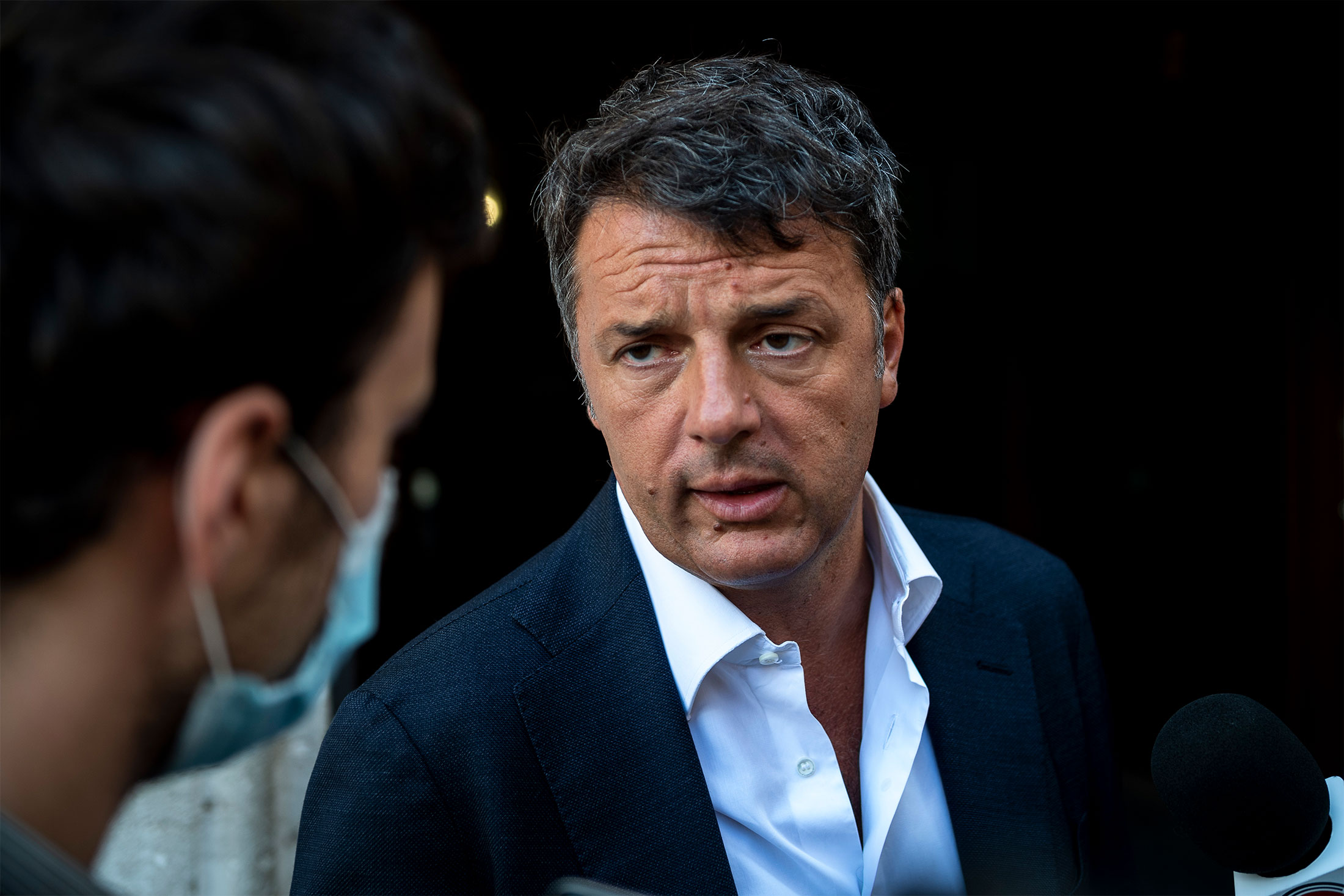
Premier Matteo Renzi said his Italy Alive party is quitting the
coalition, attacking Conte for failing to do enough to tackle the
country’s problems. Though the party is tiny, Conte relies on it to
maintain his majority in parliament.
Renzi’s decision sparks a government crisis which could last days or even weeks, and has no clear solution in sight.
After accepting the ministers’ resignation, Conte could step
down himself. That would likely trigger a new round of talks among
parties and lead to another Conte government, a new premier or a
technocratic administration. Snap elections, although a risk, appear
unlikely for now.
An Italian town is introducing a new law making it illegal to 'blaspheme against any faith or religion.'
Officials
from Saonara, in northern Italy, will issue fines of up to €400 (£360)
to individuals who break the new law, as part of a raft of new rules to
tackle uncivil behaviour.
Mayor Walter Stefan, told The Telegraph: 'Blasphemy is offensive, it offends me.
'With this law you will not be able to cause offence to any religion, we have to respect the faithful.'
Mr Stefan, a practicing Catholic, emphasised it was not only designed to protect Christianity from offence, but all faiths.
He added: 'It is valid for Allah, Buddha or Mohammad.'
The new law is part of a wider package of rules to try and tackle uncivil behaviour.
For example, people must not walk their dog without a leash or dump rubbish in public places.
Mr
Stefan added: 'We have taken a series of measures to contain all those
uncivilised activities that make coexistence difficult,'
'It
will no longer be possible to cut the lawn at certain times, dogs must
be kept on a leash and those who are blasphemous will pay the
consequences.
'We want to send a message that incorrect behaviour will no longer be tolerated.'
A number of messages will be sent to residents in multiple languages to warn them of the new rules.
Saonara is a town of 10,000 people within the municipality of Padua, located approximately 16 miles southwest from Venice.
25/03/2017 (Vatican Radio) One of the highlights of Pope Francis’ 1-day pastoral journey to the Italian city of Milan is his visit to the city’s main detention center, the San Vittore Prison.
Shortly after midday and the recitation of the Angelus, the Pope
travelled to the prison where he was welcomed by the director,Gloria
Manzelli, and by the prison chaplain, don Marco Recalcati.
San Vittore currently hosts over 900 inmates – both men and women –
as well as a number of infants who live with their detained mothers in a
special unit. The Pope met briefly with them before exchanging
greetings with a large group of the San Vittore staff and volunteers.
The building, designed by the engineer Francesco Lucca, takes
inspiration from the 18th century Panopticon with 6 wings with three
floors each. Moving through these wings, the Pope was given the
opportunity to shake hands with some 80 people representing all the
different categories of inmates, before going on to meet those who are
detained in a “protected” environment.
In the third wing, Pope Francis sat down for lunch with some 100
prisoners and treated to a typically Milanese cuisine, including rice
with saffron and steaks “alla Milanese” prepared by some of the inmates
themselves.
The visit concluded with an exchange of gifts and the blessing of
cards with the prisoners’ names on them to be taken away by the Pope.
Throughout his pontificate Pope Francis has highlighted the
predicament of prisoners and urged political leaders across the world to
respect the dignity of inmates and offer them amnesty whenever
possible. In many occasions he has called for a criminal justice system
that is not exclusively punitive, but is open to the hope and the
possibility of re-inserting the offender into society. Pope Francis has
also called for a world-wide abolition of the death penalty and said he
opposes life in prison without parole.
Underlining his deep concern for prisoners the Pope concluded the
Holy Year of Mercy with a special Jubilee Mass for some 1,000 prisoners
from 12 countries and their families, as well as prison chaplains and
volunteers in St. Peter's Basilica. RadioVaticana
Doctors
speculated in some cases that the guardians of the hospitalised
children may not have understood how to supplement a vegan diet to make
it safe for children.
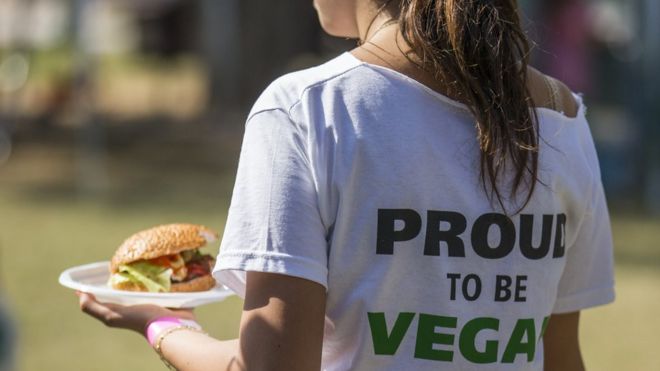
What is veganism?
A vegan diet eliminates anything which originates from animals:
No meat, fish, animal fats or gelatine
No dairy products such as cow's milk, cheese, butter, yogurt, goat's or sheep's milk
No eggs, nor foods containing eggs, such as most Quorn products
No honey
Ms
Savino's proposed bill will be discussed by parliamentary committees
before going to the chamber for debate - probably later this year,
reports Reuters news agency.
Meanwhile, three rival bills are on
the table - all aiming to make vegan and vegetarian options more
commonplace in Italian canteens.
'Reckless and dangerous'
In the preamble of Ms Savino's bill (in Italian), she highlights the spreading belief in Italy of "substantial health benefits" provided by a vegetarian or vegan diet.
"There
is no objection if the person making this choice is an informed adult.
The problem arises when children are involved... The vegetarian or vegan
diet is, in fact, deficient in zinc, iron, vitamin D, vitamin B12 and
omega-3".
Her draft bill aims to "stigmatise the reckless and
dangerous eating behaviour imposed by parents" who pursue a vegan diet,
"to the detriment of minors".
Offenders would face up to a year in
jail - rising to a maximum of four years where the child suffers
illness or permanent injury and six years in the case of death.
While
some nutrition experts have challenged the validity of the bill, other
commentators have cautioned that its imprecise wording means it could be
used to penalise a far greater range of parents than vegans or
vegetarians - for instance, the parents of obese children.
Some say better public health education rather than punitive measures would be more effective at improving children's nutrition. BBC