Showing posts with label Journals. Show all posts

Monday, November 30, 2020

Analysis of teeth of individuals who lived in Megiddo then show that the Canaanites imported exotic food from India and Southeast Asia.

Excavations in Megiddo (Area K, where some of the investigated graves were discovered) (photo credit: MEGIDDO EXPEDITION)

JPost DECEMBER 22, 2020 

Bronze Age cuisine in Israel included exotic foodstuffs, such as bananas, soybeans and turmeric, according to a new study published in the journal PNAS. It pushes back the evidence for these foods by centuries.

The conclusion is based on analysis of micro-remains and proteins preserved in the tooth tartar of individuals who lived in Megiddo and Tel Erani during the Bronze Age and the Iron Age. 

 “Human dental calculus is wonderful material, full of information about past food habits,” Prof. Philipp W. Stockhammer said. “By studying calculus from Bronze and Iron Age [remains] at the Levant, we are able to trace otherwise often invisible food and can get insights into individual nutrition.”

Monday, August 31, 2020

Only one in ten medical treatments are backed by high-quality evidence

The conversation September 2, 2020

When you visit your doctor, you might assume that the treatment they prescribe has solid evidence to back it up. But you'd be wrong. Only one in ten medical treatments are supported by high-quality evidence, our latest research shows.

The analysis, which is published in the Journal of Clinical Epidemiology, included 154 Cochrane systematic reviews published between 2015 and 2019. Only 15 (9.9%) had high-quality evidence according to the gold-standard method for determining whether they provide high or low-quality evidence, called GRADE (grading of recommendations, assessment, development and evaluation). Among these, only two had statistically significant results - meaning that the results were unlikely to have arisen due to random error - and were believed by the review authors to be useful in clinical practice. Using the same system, 37% had moderate, 31% had low, and 22% had very low-quality evidence.

The GRADE system looks at things like risk of bias. For example, studies that are "blinded" - in which patients don't know whether they are getting the actual treatment or a placebo - offer higher-quality evidence than "unblinded" studies. Blinding is important because people who know what treatment they are getting can experience greater placebo effects than those who do not know what treatment they are getting.

Tuesday, December 17, 2019

Top medical journal takes on big pharma

SMH. December 4, 2019
A leading medical journal is launching a global campaign to separate medicine from big pharma, linking industry influence to the pelvic mesh scandal that injured hundreds of women.
The BMJ says doctors are being unduly influenced by industry-sponsored education events and industry-funded trials for major drugs.

Those trials cannot be trusted, the journal's editor and a team of global healthcare leaders write in a scathing editorial published on Wednesday.

The "endemic financial entanglement with industry is distorting the production and use of healthcare evidence, causing harm to individuals and waste for health systems", they write.

They are calling for governments to start funding independent trials of new drugs and medical devices, rather than relying on industry-funded studies. Sponsored research is more likely to find a favourable result compared to independent research, studies show.

Friday, March 16, 2018

Vitamin D can't be metabolized without sufficient magnesium levels

Image result for magnesium
ScienceDaily    02/26/2018
A review published in The Journal of the American Osteopathic Association found Vitamin D can't be metabolized without sufficient magnesium levels, meaning Vitamin D remains stored and inactive for as many as 50 percent of Americans.

"People are taking Vitamin D supplements but don't realize how it gets metabolized. Without magnesium, Vitamin D is not really useful or safe," says study co-author Mohammed S. Razzaque, MBBS, PhD, a professor of pathology at Lake Erie College of Osteopathic Medicine.

Razzaque explains that consumption of Vitamin D supplements can increase a person's calcium and phosphate levels even if they remain Vitamin D deficient. The problem is people may suffer from vascular calcification if their magnesium levels aren't high enough to prevent the complication.

Patients with optimum magnesium levels require less Vitamin D supplementation to achieve sufficient Vitamin D levels. Magnesium also reduces osteoporosis, helping to mitigate the risk of bone fracture that can be attributed to low levels of Vitamin D, Razzaque noted.

Deficiency in either of these nutrients is reported to be associated with various disorders, including skeletal deformities, cardiovascular diseases, and metabolic syndrome.

While the recommended daily allowance for magnesium is 420 mg for males and 320 mg for females, the standard diet in the United States contains only about 50 percent of that amount. As much as half of the total population is estimated to be consuming a magnesium-deficient diet.

Researchers say the magnesium consumption from natural foods has decreased in the past few decades, owing to industrialized agriculture and changes in dietary habits. Magnesium status is low in populations who consume processed foods that are high in refined grains, fat, phosphate, and sugar.

"By consuming an optimal amount of magnesium, one may be able to lower the risks of Vitamin D deficiency, and reduce the dependency on Vitamin D supplements," says Razzaque.

Magnesium is the fourth most abundant mineral in the human body after calcium, potassium, and sodium. Foods high in magnesium include almonds, bananas, beans, broccoli, brown rice, cashews, egg yolk, fish oil, flaxseed, green vegetables, milk, mushrooms, other nuts, oatmeal, pumpkin seeds, sesame seeds, soybeans, sunflower seeds, sweet corn, tofu, and whole grains.

Monday, July 31, 2017

A team of scientists find evidence of ancient Canaanites


28 July 2017, 6:07 am EDT By Luan Chan Tech Times
A team of scientists from the Wellcome Trust Sanger Institute and its collaborators successfully sequenced the genes of five Bronze Age Canaanite remains found in an archaeological site in the Near East and made a remarkable discovery.
After comparing the ancient DNA with the DNA of modern-day people, researchers learned that present-day Lebanese had actually descended from Canaanites, who were supposedly annihilated after being subjected to divine judgment.

Who Are The Canaanites?

Canaanites were a mysterious race of people that was effectively driven out of their land and annihilated by Israelites after the Exodus, according to the Old Testament; however, the DNA evidence uncovered by archaeologists offers proof that the ancient race did not actually meet its end.
"We know about ancient Egyptians and ancient Greeks, but we know very little about the ancient Canaanites because their records didn't survive. What is known about the Canaanites is that they lived and traded along the eastern coast of the present-day Mediterranean," lead author of the study Marc Haber explains.
So when Haber's team of researchers extracted and sequenced DNA from the five remains from the Sidon excavation site, they compared it with various ancient populations throughout history. Then they further narrowed it down and compared the ancient DNA with DNA samples extracted from a sample of 99 people — Christians, Druze, and Muslims — currently living in Lebanon. To their surprise, the results showed that the present-day Lebanese and the remains in Sidon share 93 percent of their ancestry.
"We can see the present-day Lebanese can trace most of their ancestry to the Canaanites or a genetically equivalent population. They derive just over 90 percent of their ancestry from the Canaanites," geneticist and co-author of the study Chris Tyler-Smith confirms.
The remaining 7 percent is actually derived from ancient people who migrated from the Steppes.

Did The Bible Get It Wrong?

For a long time, researchers could only look through ancient Greek and Egyptian texts, as well as accounts from the Bible, to learn about the mysterious Canaanites, but the new evidence seems to suggest that the Bible has made a mistake.
Then again, the contents of the Bible were translated mostly from dead languages so there is a big probability that the translation was either wrong or the meaning of the words have changed over time — the same way that what we consider finite numbers now seemed infinite for ancient people.
Even with the strong connection between ancient Canaanites and modern-day Lebanese, the fact that no "pure" Canaanite individual seems to survive today could be considered as "killing off" the ancestry.
Still the implication of the discovery is huge for modern-day Lebanese, especially since the different religions argue over their ancestry, where Christians and Muslims debate whether they descended from Phoenicians or Arabs. As the DNA evidence suggests, they are actually all Canaanites.
"We all belong to the same people. We have always had a difficult past ... but we have a shared heritage we have to preserve," excavation director Claude Doumet-Serhal said.
The team's findings have been published in The American Journal of Human Genetics.         Techtimes

Thursday, May 12, 2016

Medical error is the third largest cause of death in the United States


Medical error is the third largest cause of death in the United States, according to an analysis published Wednesday in the medical journal BMJ.
In 2013, at least 250,000 people died not from the illnesses or injuries that prompted them to seek hospital care but from preventable mistakes, according to the study.
That number exceeds deaths from strokes and Alzheimer’s combined, and is topped only by heart disease and cancer, which each claim about 600,000 lives per year.

New legislation in the U.S. Congress may speed the arrival of new drugs, but will it leave citizens more exposed to dangerous drugs that have not been thoroughly tested? Julia Wilde examines how a drug moves through the FDA's approval process.

The death toll from medical mishaps would be even higher if nursing homes and out-patient care were included, the researchers found.
“People don’t just die from bacteria and heart plaque, they die from communication breakdowns, fragmented healthcare, diagnostic mistakes, and over-dosing,” said Martin Makary, a professor at Johns Hopkins University School of Medicine in Baltimore and lead author of the study.
“Collectively, these represent the third leading cause of death in the United States,” he told AFP, adding that it is one of the most underreported endemics in global health.
A earlier study estimated the toll at between 250,000 and 440,000 per year.

Experts do not know the exact number of people who die from botched surgeries, faulty prescriptions, or a computer glitch simply because no one is keeping count.
Along with more than 100 other nations, the United States uses a system for collecting national health statistics — recommended by the World Health Organization — that does not keep track of medical errors.
“The absence of national data highlights the need for systematic measurement of the problem,” said Makary.
“Our study took the best science on the incidence of medical mistakes killing people in the delivery of care, and extrapolated that to the amount of care that we administer.”

- Death certificates -
The scope of the problem in the United States — which tops the world in per capita spending on health care — is probably about the same in other rich countries, he said.
As for the developing world, the situation is likely worse.
“I suspect that in Africa, poor quality medical care or preventable complications kill more people than HIV and malaria combined,” Makary said.
While it is not realistic to expect that human error can be eliminated in health care, protocols and “safety nets” can be put in place to track medical errors and reduce their number, the study concluded.

Death certificates, for example, could ask whether a preventable problem stemming from the patient’s medical care might have contributed to the death.
But asking hospitals and doctors to self-report their mistakes without offering a higher degree of protection from possible prosecution is a tall order, Makary acknowledged.
“It is difficult to create an open and honest conversation around the problem of people dying from the care that they have received,” he said.
Among other leading causes of death in the United States in 2013 were accidents (133,000), diabetes (76,500), influenza or pneumonia (55,000), and suicide (43,000), according to the National Center for Health Statistics.    Discovery

'Medicine and science are run by human beings, so there will always be crooks,' says journal editor

By Kelly Crowe, CBC News Posted: Apr 19, 2016 5:00 AM ET
It's unusual to watch one of the world's most powerful editors in scientific publishing play with a marionette puppet.
But Dr. Fiona Godlee, editor of the BMJ, specializes in the unexpected. 
The puppet she's holding is dressed as a doctor, complete with a stethoscope around its neck. Its strings represent the hidden hand of the pharmaceutical industry.  
'I think we have to call it what it is. It is a corruption of the scientific process.' -Dr. Fiona Godlee, editor, BMJ
Godlee keeps it on her desk to remind her of the dark forces at work in science and medicine. And she is blunt about the results.
"I think we have to call it what it is. It is the corruption of the scientific process."
There are increasing concerns these days about scientific misconduct. Hundreds of papers are being pulled from the scientific record, for falsified data, for plagiarism, and for a variety of other reasons that are often never explained.
Sometimes it's an honest mistake. But it's estimated that 70 per cent of the retractions are based on some form of scientific misconduct.
"Medicine and science are run by human beings, so there will always be crooks," Godlee says.
Fiona Godlee
Dr. Fiona Godlee, editor of BMJ, playfully demonstrates the hidden strings drug companies use to influence scientific research. (CBC)
"There will be commercial pressures, academic pressures, and to pretend otherwise is absurd. So we have to have many more mechanisms, much more skepticism, and much more willingness to challenge."
As the editor of one of the oldest and most influential medical journals, Godlee is leading several campaigns to change the way science is reported, including opening up data for other scientists to review, and digging up data from old and abandoned trials for a second look.
She has strong words about the overuse of drugs, and the influence of industry on the types of questions that scientists ask, and the conclusions that are drawn from the evidence.
"It's not my job to be popular, I'm very clear about that," she says from her office in the historic British Medical Association building in central London.
"She's taken her licks, as it were, because other people don't like the level of transparency she is bringing to the process," says medical writer Dr. Ivan Oransky, who writes about flawed science on his blog Retraction Watch.
Ivan Oransky
Dr. Ivan Oransky of Retraction Watch tries to shine a light on science's dirty secrets. (CBC)
Based in New York City, Retraction Watch is fascinating reading for anyone interested in what goes on behind science's closed doors.
Every day there are one or two new examples of research that has been quietly withdrawn.
"People leak us things, people send us documents, we get reports from universities that aren't supposed to see the light of day," Oransky says.
"There does remain a really entrenched problem with institutions, when asked to investigate allegations of misconduct. They will tend to close down, will tend to prefer not to investigate, will tend to hide any evidence and see it as a damage to their own reputation if they were to take action," Godlee says.
So retractions are, paradoxically, a good thing.
'I think this trend toward journal retraction is a positive sign.' - Dr. Fiona Godlee
"I think this trend toward journal retraction is a positive sign against what we've known to be going on for quite a long time," Godlee says.
Godlee admires Oransky's work, although they've never met.
"It's doing a good and important job," she said. "It's doing more than retractions, it's looking at misconduct in research."
In that sense, Godlee says, they are on the same page. But Godlee says the journals themselves are part of the problem.
It is up to the journals to decide what science gets published, and they usually choose positive findings. That means a study showing that a treatment or theory doesn't work rarely makes it into a high-profile journal.
It's called "publication bias" and it distorts the scientific record.
"All along the way, the system tends to encourage a sort of optimistic positive view of new drugs and drug treatments generally," Godlee says
Her solution? Transparency. Throw open the windows, let everyone see everything.
"I do have a belief in the fundamentality of science to correct itself. We can't do that under the blanket of secrecy," she says.
"We also need to have more independence in science, less commercial bias, less ability of academics to follow their own biases. All sorts of checks and balances of that sort. But in the end, transparency, to me, seems like the only correct route."
Her policy is already changing the scientific record.
Just last week, the BMJ published the results of a second look at a long abandoned clinical trial testing the hypothesis that a diet high in unsaturated oil would reduce heart disease and death. 
The new conclusion? Not only did corn oil not improve health, the data also showed a higher risk in death from the high corn oil diet.
Two years earlier, the BMJ published an analysis of another lost trial, by the same team. After digging the data out of a box in an old garage, they came to a similar conclusion about the effect of a so-called "healthy" oil on health.
And there was the re-analysis of Study 329, a controversial clinical trial into the use of the antidepressant Paxil to treat teenage depression. The new findings contradicted the original industry-funded researchers, concluding that the drug wasn't safe and didn't work.
It took a court case to get access to the hidden Paxil data, which was protected by corporate secrecy. And that raises another controversial question about who should be testing drugs in the first place.
'Patients do get hurt.' - Dr. Fiona Godlee
"It's led me and others to increasingly question the idea that the manufacturer of the drug could ever be considered the right people to evaluate its effectiveness and safety," Godlee says.
"That seems to me to be very mad idea which has grown up historically, and we have to start questioning it and we have to come up with alternatives, which would mean independent studies done by independent bodies."
And it matters, Godlee says, because bad science can be dangerous.
"Patients do get hurt. Drugs that shouldn't be available are available. Drugs with harms are used and patients are unaware of those harms. Devices that shouldn't be on the market are on the market. So yes, we do know that patients are harmed, and we know that the health systems are harmed as a result of poor science."      CBS 

Monday, February 1, 2016

New Telescope Observes Otherwise Invisible Terrestrial Entities with Intelligent Movement

He defines the Second Kind (ITE-2) as entities that:
  1. are not visible to the human eye or to conventional optical instruments wish convex lenses, but are otherwise fully visible via Santilli telescopes with concave lenses;
  2. exist in our terrestrial environment, rather than in deep astro-physical spaces; and
  3. leave “bright images” in the background of digital cameras attached to Santilli telescopes.
Unlike the ITE-1s, which leave dark images caused by a type of light equivalent to antimatter-light, ITE-2s appear to be composed of matter that leave bright images caused by ordinary light, which possess invisibility due to the “conversation of their index of refraction from a positive to a negative value”.
Dr Santilli notes that the ITE-2s were pulsating and moving systematically backward and forward, suggesting they were “conducting unauthorized surveillance of the Tampa Area solely visible with the Santilli telescope, thus confirming the need for systematic views of sensitive civilian, industrial and military installations”.
  Photographs of ITE-2s. Captured by Dr Santilli in the night sky over Tampa Bay, Florida on September 5, 2015.
Photographs of ITE-2s. Captured by Dr Santilli in the night sky over Tampa Bay, Florida on September 5, 2015. Credit: Dr Santilli.
Photograph of an ITE-2 showing its movement. The entity consists of lights of different colors that are pulsating and move synchronously according to a complex trajectory during the 15 seconds of exposure, including a point in which motion stopped for a few seconds, to resume thereafter.
In his report published in the American Journal of Modern Physics, Dr Santilli explains the significance and potential applications of this revolutionary discovery:
“The writing of this paper has been motivated by the fact that ITE-1 and ITE-2 behave in a manner strongly suggesting the conduction of unauthorized surveillance of our sensitive, civilian, industrial and military installations, thus warranting their societal knowledge.
On scientific grounds, the documentation presented in this paper establishes beyond credible doubt the existence of two new types of light that are totally outside any possibility of treatment via 20th century physical knowledge…
On industrial grounds, the findings presented in this paper establish, also beyond credible doubt, the utility of Santilli telescopes, not only for basically novel astrophysical advances, but also for issues pertaining to personal, industrial and national security.”
Featured image:  Main: Tampa Bay in Florida (pictured). Source:  Matthew Paulson / Flickr . Inset: Photograph of an ITE-2. Credit: Dr Santilli.
By April Holloway

Reference:

Ruggero Maria Santilli. Apparent Detection via New Telescopes with Concave Lenses of Otherwise Invisible Terrestrial Entities (ITE) . American Journal of Modern Physics. Special Issue: Issue II: Foundations of Hadronic Mechanics.
Ancient Origins

Monday, January 4, 2016

The high amounts of dietary sugar in the typical Western diet may increase the risk of breast cancer and metastasis to the lungs, according to a study at The University of Texas


The high amounts of dietary sugar in the typical Western diet may increase the risk of breast cancer and metastasis to the lungs, according to a study at The University of Texas MD Anderson Cancer Center.
The findings, published in the Jan. 1, 2016 online issue of Cancer Research, demonstrated dietary sugar's effect on an enzymatic signaling pathway known as 12-LOX (12-lipoxygenase).
"We found that sucrose intake in mice comparable to levels of Western diets led to increased tumor growth and metastasis, when compared to a non-sugar starch diet," said Peiying Yang, Ph.D., assistant professor of Palliative, Rehabilitation, and Integrative Medicine. "This was due, in part, to increased expression of 12-LOX and a related fatty acid called 12-HETE."
Previous epidemiological studies have shown that dietary sugar intake has an impact on breast cancer development, with inflammation thought to play a role.
"The current study investigated the impact of dietary sugar on mammary gland tumor development in multiple mouse models, along with mechanisms that may be involved," said co-author Lorenzo Cohen, Ph.D., professor of Palliative, Rehabilitation, and Integrative Medicine. "We determined that it was specifically fructose, in table sugar and high-fructose corn syrup, ubiquitous within our food system, which was responsible for facilitating lung metastasis and 12-HETE production in breast tumors."
Cohen added that the data suggested that dietary sugar induces 12-LOX signaling to increase risks for breast cancer development and metastasis.
Identifying risk factors for breast cancer is a public health priority, say the authors. The researchers state that moderate sugar consumption is critical, given that the per capita consumption of sugar in the U.S. has surged to over 100 lbs. per year and an increase in consumption of sugar-sweetened beverages has been identified as a significant contributor to an epidemic of obesity, heart disease and cancer worldwide.
"Prior research has examined the role of sugar, especially glucose, and energy-based metabolic pathways in cancer development," said Yang. "However, the inflammatory cascade may be an alternative route of studying sugar-driven carcinogenesis that warrants further study."
No previous studies have investigated the direct effect of sugar consumption on the development of breast cancer using breast cancer animal models or examined specific mechanisms, she added.
The MD Anderson team conducted four different studies in which mice were randomized to different diet groups and fed one of four diets. At six months of age, 30 percent of mice on a starch-control diet had measurable tumors, whereas 50 to 58 percent of the mice on sucrose-enriched diets had developed mammary tumors. The study also showed that numbers of lung metastases were significantly higher in mice on a sucrose- or a fructose-enriched diet, versus mice on a starch-control diet.
"This study suggests that dietary sucrose or fructose induced 12-LOX and 12-HETE production in breast tumor cells in vivo," said Cohen. "This indicates a possible signaling pathway responsible for sugar-promoted tumor growth in mice. How dietary sucrose and fructose induces 12-HETE and whether it has a direct or indirect effect remains in question."
The study team believes that the mechanism by which dietary sucrose or fructose affects breast tumor growth and metastasis, especially through the 12-LOX pathways, warrants further investigation.
MD Anderson research team members included Yan Jiang, Yong Pan, Patrea Rhea, and Lin Tan, all of Palliative, Rehabilitation and Integrative Medicine; Mihai Gagea, D.V.M., Ph.D., Veterinary Medicine & Surgery; and Susan Fischer, Epigenetics & Molecular Carcinogenesis.
The study was funded by the National Institutes of Health (P30CA0166672), Mr. and Mrs. H. Leighton Steward and EOG Resources, Inc.

Story Source:
The above post is reprinted from materials provided by University of Texas M. D. Anderson Cancer Center. Note: Materials may be edited for content and length.

Journal Reference:
  1. Yan Jiang, Yong Pan, Patrea R. Rhea, Lin Tan, Mihai Gagea, Lorenzo Cohen, Susan M. Fischer, and Peiying Yang. A Sucrose-Enriched Diet Promotes Tumorigenesis in Mammary Gland in Part through the 12-Lipoxygenase Pathway. Cancer Res, January 1, 2016 76:24-29 DOI: 10.1158/0008-5472.CAN-14-3432

Friday, December 18, 2015

Modern lifestyles are causing 90 per cent of cancers, according to new research.

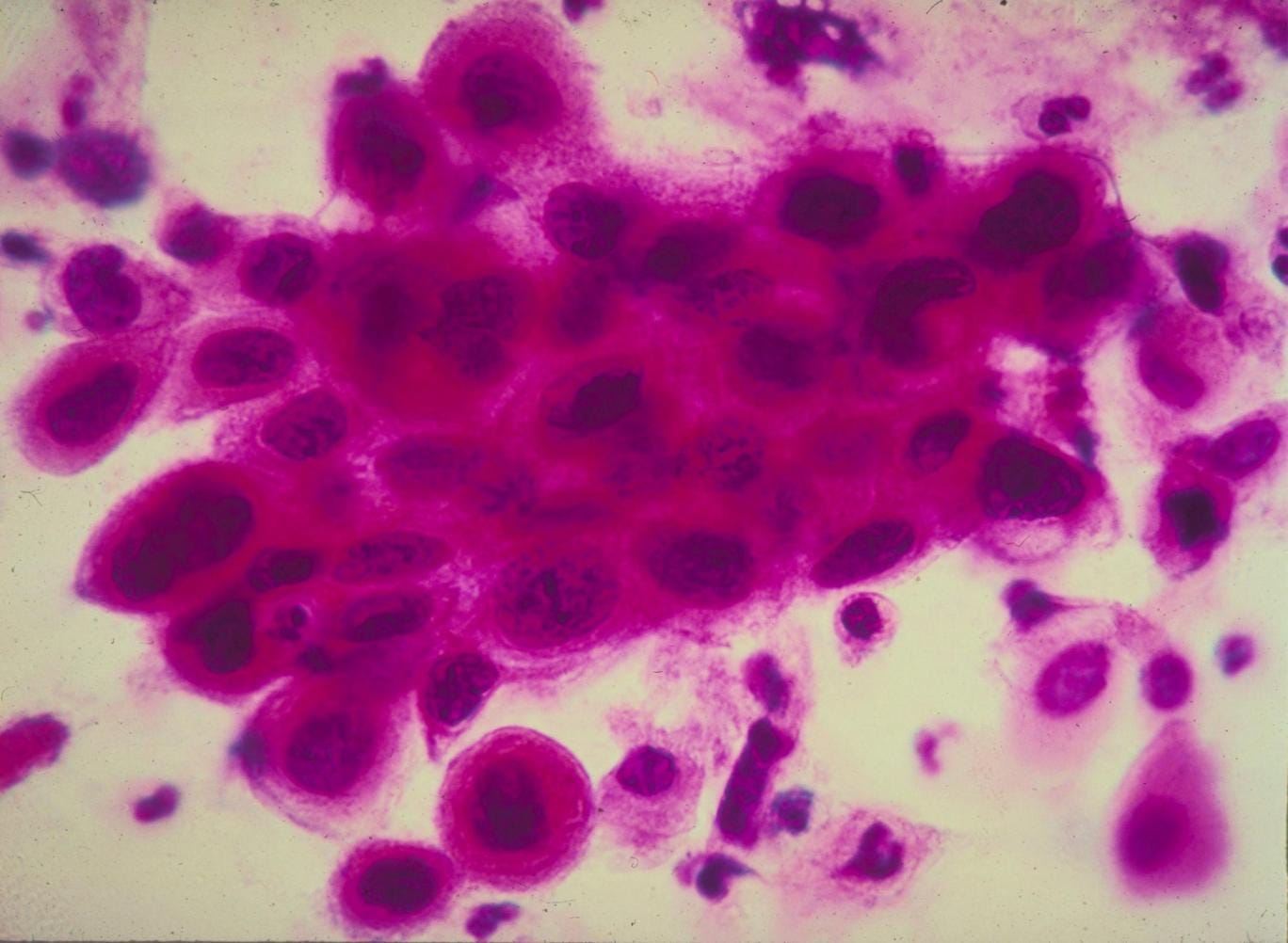
A microscope image of cancer cells in the cervix
Modern lifestyles are causing 90 per cent of cancers, according to new research.
Poor diet, a lack of exercise, stress and pollution are cited as the main contributory factors for the majority of cancers of the lung, breast and prostate.
Researchers at Stony Brook University in New York looked at the genetic “fingerprints” of several cancers to try to work out how much of the risk was associated with environmental factors, The Times reported.
And in a paper published in the science Journal Nature they estimated that up to 90 per cent of the most common cancers were caused by external factors rather than cellular mistakes in the body.
Among the external factors are pollution, ultraviolet radiation and stress and then factors within people’s own control such as diet and exercise.
The results point to a healthier lifestyle as a key component to reduce your risk of cancer.
Giving up smoking, taking regular exercise and eating well could all be used as preventative measures in the fight against cancer.
Cancers occur when defective DNA in a cell makes it grow at a rapid rate. This can be caused by stresses on the cell or copying errors within the cell. 
A study by Cancer Research UK earlier this year found about 40 per cent of cancer cases could have been prevented by a healthier lifestyle      Independent

Thursday, October 22, 2015

Physiologic Conditions Affect Toxicity of Ingested Industrial Fluoride


Method:
A 0.9 ppm fluoride solution in distilled water was measured for the free fluoride ion concentration over a wide concentration range of added calcium ion from aliquots of a calcium biphosphate solution. In other experiments, a 1.2 ppm fluoride concentration solution was measured for free fluoride ion level as a function of pH. Acidity was adjusted with dilute acetic acid. All readings were made at room temperature with a LaMotte Instruments fluoride ion specific electrode calibrated with a 1.00 ppm fluoride standard solution in distilled deionized water. The electrode was rinsed with the solution to be tested for each measurement. The instrument reported accurate readings for known standard solutions within ± 0.05 ppm fluoride over the temperature range 15–30 ∘C.

Conclusion:
This study indicates that industrial fluoride added to drinking water forms intact corrosive hydrofluoric acid under acidic conditions that prevail in the stomach of man (pH 1.5–3) and animals. Ingested fluoride fromwater enters the bloodstream as an artificial component, not a normal constituent, and disrupts intermolecular hydrogen bonding, forming interatomic hydrogen bonding. Fluoride influences calcium homeostasis. Accidental higher levels of fluoride known to cause acute lethality compare with calculated levels that would begin calcium precipitation at physiologic calcium concentrations in blood. The difference between the single oral acute fluoride dose of 60mg/kg body weight and the lethal bloodconcentration of 2-3 ppm, calculated here and observed clinically in blood after accidental fluoride poisonings,may be due in part to fluoride elimination by kidneys and accumulation by bone during assimilation of the ingested oral dose. It is not possible to reach an acute lethal blood level of industrial fluoride from treated water unless there were an accidental overfeed. 1 ppm water leads typically to ∼0.2 ppm blood fluoride. But only ∼1 ppm blood levels cause a chronic form of congestive heart failure (found after hemodialysis with fluoridated water) and 2-3 ppm causes acute heart failure.

The infusion of industrial fluorosilicic acid with caustic sodium hydroxide into water supplies introduces sodium, that is not a component of fresh drinking water, plus fluoride without calcium. Sodium and fluoride are the ingredients used in rodenticides and in the prescription drug Luride which is not approved by the FDA for ingestion. Ingested sodium fluoride from treated water does not reduce caries either systemically at 0.2 ppm or topically from saliva at 0.02 ppm. Instead it increases the incidence of unsightly abnormal dental fluorosis hypoplasia in all treated cities. The policy adopted by the U.S. Public Health Service in 1950 remains encouraged by the trade organization the American Dental Association, dental insurance providers, and dental officials in theOralHealthDivision. But none of these groups has authority to chemically treat public water supplies. The rationale for the infusions remains based on early observations that were not supported by careful experimentation using the scientific method. When examined in detail this proved to be an anecdotal incorrect correlation.

Federal law prohibits any requirement for substances added into water other than to sanitize water, regardless of ascribed benefit. And yet, plain water without added industrial fluoride is now scarce in U.S. public supplies. The decision to infuse industrial fluoride compounds into public water supplies to permeate the blood and organs of consumers with fluoride as an ingested dental prophylactic was an error that resulted in serious consequences including loss of life. Althoughmany believe that the infusions decrease caries without causing systemic damage, the data reported here along with other published studies do not support the policy [1, 7–12, 26, 27, 30–35, 40, 41, 52–54]. Insidious effects that can occur on musculoskeletal, neurologic, reproductive, and endocrine systems from long-term ingestion of fluoride in water [8, 9, 11] and the cardiovascular effects discussed here emphasize the seriousness of fluoridation especially in soft water regions lacking antidote calcium. Also fluoride exposure is now from diverse sources.

Adding substances in water that are unnatural, harmful, illegal, and ineffective in its stated purpose violates universally accepted consumers’ and patients’ rights of refusal. This is because fluoride at subsaturation levels is not easily filtered. A legal review described the policy as un-Constitutional (Balog [46]). Enamel hypoplasia and caries are not caused by absence of fluoride. Essentially all European countries do not fluoridate public water supplies but some do offer optional fluoridated salt that is not as extensively consumed as water. Opposition has been widely publicized in the U.S. (Abby Martin and RT News [55] and the documentary film Fluoridegate [56]), Canada, and the U.K. [52, 53, 57]. Citizens mostly vote against fluoridation but the SDWA should have been sufficient law to avoid the need for voting. The city of Portland, Oregon recently voted against fluoridation for the fourth time and remains untreated thus far. 61 cities in Nebraska voted against fluoridation over the period 2008-2009, effectively overruling a state mandate.The policy does not accommodate kidney dialysis patients and those who are normally fluoride-sensitive [12]. For all who object, the policy evades human decency.

Source:
Sauerheber, R. (2013). Physiologic Conditions Affect Toxicity of Ingested Industrial Fluoride. Journal Of Environmental & Public Health, 20131-13. doi:10.1155/2013/439490

Department of Chemistry, University of California, San Diego, La Jolla, CA 92037, USA
STAR Tutoring Center, Palomar Community College, San Marcos, CA 92069, USA


Soy Good


 Image result for soybean
What are other names for this remedy?
Type of medicine: natural remedy
Scientific and common names:Glycine max, soy, soybean, soya, tofu, miso, phytoestrogen, plant estrogen, isoflavone, genistein, tempeh
What is soybean?
The soybean is a plant that grows 1 to 5 feet tall. The bean pods contain up to 4 oval seeds, which can be yellow to brownish in color. Soybeans contain isoflavones which are similar to the hormone estrogen.
What is it used for?
This remedy has been used to treat several conditions. Studies in humans or animals have not proved that this remedy is safe or effective for all uses. Before using this remedy for a serious condition, you should talk with your healthcare provider.
Studies suggest that this remedy may help lower cholesterol and triglycerides, and help treat diarrhea in infants.
Soy has been used to:
  • Relieve symptoms of menopause such as hot flashes
  • Help prevent osteoporosis
  • Reduce the risk of breast, colon, thyroid, endometrial, and prostate cancer (There is conflicting evidence on whether soy prevents or increases the risk of breast cancer.)
  • Reduce high blood pressure
  • Reduce protein in the urine of people with kidney disease
  • Treat diabetes
The US Food and Drug Administration (FDA) does not approve uses for natural remedies. The FDA does not inspect or regulate natural remedies the way they do prescription medicines.
How is it taken?
Examples of soy food products are soy milk, soy cheese, soy yogurt, soy nuts, tofu, soybean oil for cooking, soybean flour, soybean curd, tofu, fermented soybean paste, soybean sprouts, soy sauce, and soy protein drinks. Soy is used to make some infant formulas for babies who are allergic to milk.
Soy is also available in the form of capsules and tablets.
Follow the directions printed on the product label or given by your healthcare provider.
What if I overdose?
Symptoms of an acute overdose have not been reported.

Reference:  Developed by, R. (2013). Soybean. CRS - Medication Advisor, 1.

Where Is The Meat? The Benefits of Being Vegetarian


Image result for vegan
Question 1

Do vegetarian diets affect blood pressure (BP) in adults?
Vegetarian diets reduce systolic and diastolic blood pressure in adults more than omnivorous diets. (Kahan & Cheskin, 2014)

Question 2

Do vegetarian diets reduce heart disease?

A carefully planned vegetarian diet with adequate supplementation may be an effective tool for primary prevention of heart disease. (Sticher, Smith & Davidson, 2010)

Question 3

Do vegetarian diets reduce stress and anxiety?

The mood of individuals eating a plant-based diet, without intake of animal-derived nutrient forms known to be essential for mental health, does not appear to be adversely affected, and may be better than the mood experienced by similar individuals eating an animal-based diet. Considering our previous research, we have found that increasing restriction of animal foods (e.g. going from vegetarian to vegan) is associated with improved mood. (Beezhold, Radnitz, Rinne & DiMatteo 2015)

Question 4

Do vegetarian diets maintain bone health and prevent fractures?

Good-quality vegetarian diets can provide a healthy foundation for building and maintaining healthy bones and for preventing fracture. (Tucker, 2014)
Plant-based diets can provide adequate amounts of key nutrients for bone health. (Mangels, 2014) 

Question 5

Do vegan diets help in loosing weight?

Vegan diets are an effective way to lose weight. Education about good sources of important nutrients is needed to ensure that the diets are nutritionally adequate. (Mangels, 2015)


 Works Cited
Beezhold, B., Radnitz, C., Rinne, A., & DiMatteo, J. (2015). Vegans report less stress and anxiety than omnivores. Nutritional Neuroscience, 18(7), 289. doi:10.1179/1476830514Y.0000000164
Kahan, S., & Cheskin, L. J. (2014). Review: Vegetarian diets reduce systolic and diastolic blood pressure more than omnivorous diets. Annals Of Internal Medicine, 160(12), JC3.
Mangels, A. R. (2014). Bone nutrients for vegetarians. American Journal Of Clinical Nutrition, 100469S-475S. doi:10.3945/ajcn.113.071423
Mangels, R. (2015). SCIENTIFIC UPDATE. Treating Childhood Obesity with Plant-Based Diets. Vegetarian Journal, 34(3), 8-9.
Sticher, M. A., Smith, C. B., & Davidson, S. (2010). Reducing heart disease through the vegetarian diet using primary prevention. Journal Of The American Academy Of Nurse Practitioners, 22(3), 134-139. doi:10.1111/j.1745-7599.2009.00483.x
Tucker, K. L. (2014). Vegetarian diets and bone status. American Journal Of Clinical Nutrition, 100329S-335S. doi:10.3945/ajcn.113.071621

Saturday, August 22, 2015

Vaccine And Autism Link Confirmed In Science Journal

A scientific study has verified for the first time, using peer-reviewed journals, that there is indeed a link between vaccine’s and autism.

Senior Pharmaceutical scientist Helen Ratajczak published an article titled “Theoretical aspects of autism: Causes–A review” in the Journal of Immunotoxicology. In it she says, “Documented causes of autism include genetic mutations and/or deletions, viral infections, and encephalitis following vaccination. Therefore, autism is the result of genetic defects and/or inflammation of the brain.“
Cbsnews.com reports:
The article goes on to discuss many potential vaccine-related culprits, including the increasing number of vaccines given in a short period of time. “What I have published is highly concentrated on hypersensitivity, Ratajczak told us in an interview, “the body’s immune system being thrown out of balance.”
University of Pennsylvania’s Dr. Brian Strom, who has served on Institute of Medicine panels advising the government on vaccine safety says the prevailing medical opinion is that vaccines are scientifically linked to encephalopathy (brain damage), but not scientifically linked to autism. As for Ratajczak’s review, he told us he doesn’t find it remarkable. “This is a review of theories. Science is based on facts. To draw conclusions on effects of an exposure on people, you need data on people. The data on people do not support that there is a relationship. As such, any speculation about an explanation for a (non-existing) relationship is irrelevant.”
Ratajczak also looks at a factor that hasn’t been widely discussed: human DNA contained in vaccines. That’s right, human DNA. Ratajczak reports that about the same time vaccine makers took most thimerosal out of most vaccines (with the exception of flu shots which still widely contain thimerosal), they began making some vaccines using human tissue. Ratajczak says human tissue is currently used in 23 vaccines. She discusses the increase in autism incidences corresponding with the introduction of human DNA to MMR vaccine, and suggests the two could be linked. Ratajczak also says an additional increased spike in autism occurred in 1995 when chicken pox vaccine was grown in human fetal tissue.
Why could human DNA potentially cause brain damage? The way Ratajczak explained it to me: “Because it’s human DNA and recipients are humans, there’s homologous recombinaltion tiniker. That DNA is incorporated into the host DNA. Now it’s changed, altered self and body kills it. Where is this most expressed? The neurons of the brain. Now you have body killing the brain cells and it’s an ongoing inflammation. It doesn’t stop, it continues through the life of that individual.”
Dr. Strom said he was unaware that human DNA was contained in vaccines but told us, “It does not matter…Even if human DNA were then found in vaccines, it does not mean that they cause autism.” Ratajczak agrees that nobody has proven DNA causes autism; but argues nobody has shown the opposite, and scientifically, the case is still open.
A number of independent scientists have said they’ve been subjected to orchestrated campaigns to discredit them when their research exposed vaccine safety issues, especially if it veered into the topic of autism. We asked Ratajczak how she came to research the controversial topic. She told us that for years while working in the pharmaceutical industry, she was restricted as to what she was allowed to publish. “I’m retired now,” she told CBS News. “I can write what I want.”
We wanted to see if the CDC wished to challenge Ratajczak’s review, since many government officials and scientists have implied that theories linking vaccines to autism have been disproven, and Ratajczak states that research shows otherwise. CDC officials told us that “comprehensive review by CDC…would take quite a bit of time.” In the meantime, CDC provided these links:

Interagency Autism Coordination Committee: http://iacc.hhs.gov
Overview of all CDC surveillance and epi work: http://www.cdc.gov/ncbddd/autism/research.html
CDC study on risk factors and causes: http://www.cdc.gov/ncbddd/autism/seed.html
Read Helen Ratajczak’s review HERE

News Wire